News and context with references. Check the publication date and source dates.
At least 306 people were killed and hundreds of others injured in drone strikes across Sudan during the first three weeks of October. According to UN News, the UN Human Rights Office said the strikes, attributed to the Sudanese Armed Forces and the Rapid Support Forces, hit civilians and various civilian sites.
Casualties across multiple regions
UN High Commissioner for Human Rights Volker Türk on Friday strongly condemned the increase in drone strikes. The attacks reportedly hit homes, markets, hospitals, displacement sites, power plants, and water sources in Kordofan, Darfur, Blue Nile, Khartoum, and several other states.
Türk said the increased use of drones was deeply alarming and was having a horrific impact. According to his statement, drones have caused most conflict-related civilian deaths in Sudan this year.
The UN Human Rights Office also documented numerous attacks on displacement sites. These locations were sheltering people who had previously fled their homes because of the fighting.
Displaced people and civilian facilities targeted
From October 6 to 10, drone strikes allegedly carried out by government military forces hit shelters for displaced people in Ghubeish and El Nuhud, West Kordofan. At least 25 civilians, including women and children, were killed in the attacks.
On October 9, a drone allegedly belonging to the Rapid Support Forces, or RSF, attacked a group of displaced people engaged in artisanal gold mining near the Abu Shendi displacement site in Blue Nile. At least 31 people were killed, most of them women and children.
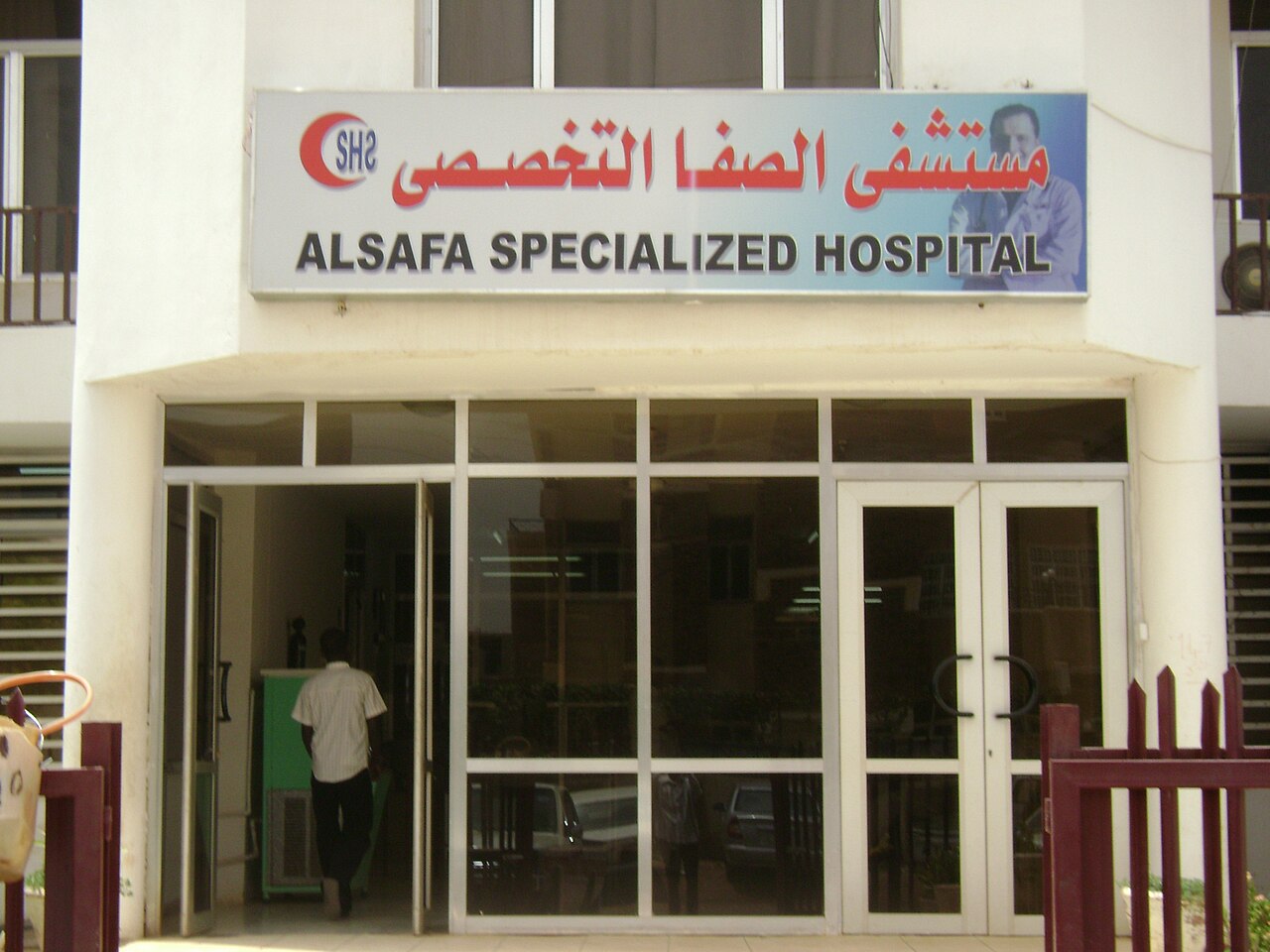
Healthcare services were also hit. On October 11, a strike attributed to the RSF hit Um Darfa Hospital in Blue Nile. Two healthcare workers were seriously injured, and the hospital was rendered inoperable. UN Human Rights Office spokesperson Seif Magango said the damage to essential services was worsening displacement and an already severe humanitarian crisis.
Major attacks in Kordofan and Abyei
On October 18, at least 139 people were killed after a transport truck was struck in a repeated, or “double-tap,” attack in Dibab, West Kordofan. The area was said to be under RSF control.
A day later, a drone strike hit Amiet Market and the Todach area in Abyei, an oil-rich region disputed by Sudan and South Sudan. The attack killed more than 80 people. Peacekeepers from the United Nations Interim Security Force for Abyei, or UNISFA, were the first to arrive at the scene.
The commander of UNISFA’s Pakistani battalion, Lieutenant Colonel Muhammad Farooq, described all the shops as being on fire when his troops reached the scene. Rapid response and firefighting teams were deployed to contain the spread of the flames, while more than 27 injured people were taken to the UNISFA hospital in Todach.
Calls for an investigation and ceasefire
The UN Security Council strongly condemned the attack in Abyei and warned that the death toll could rise as UNISFA continued its verification. The Council stated that attacks against civilians may constitute war crimes and called for a full, transparent, and immediate investigation so that those responsible could be held accountable.
The Security Council also reaffirmed that Abyei must remain demilitarized and free of all forces other than UNISFA. All parties were urged to end military operations and occupation in the area and cooperate with the UN mission to protect civilians, aid workers, and peacekeeping personnel.
Türk called on the parties to comply with international humanitarian law, including the prohibition against directing attacks at civilians and civilian objects. He also called for an end to the flow of weapons fueling the conflict, urged both sides and their affiliated groups to commit to a ceasefire, and emphasized the need for a negotiated solution grounded in human rights and accountability.