News and context with references. Check the publication date and source dates.
The World Health Organization, or WHO, has called for large quantities of humanitarian and health aid to enter Gaza ahead of winter. According to a UN News report on Friday, October 2, 2026, repeated delays by Israel in allowing deliveries of life-saving medicines, prosthetics, and other supplies risk having severe consequences for Palestinians who urgently need them. The humanitarian situation in the war-torn territory remains extremely dire.
Access to aid remains limited
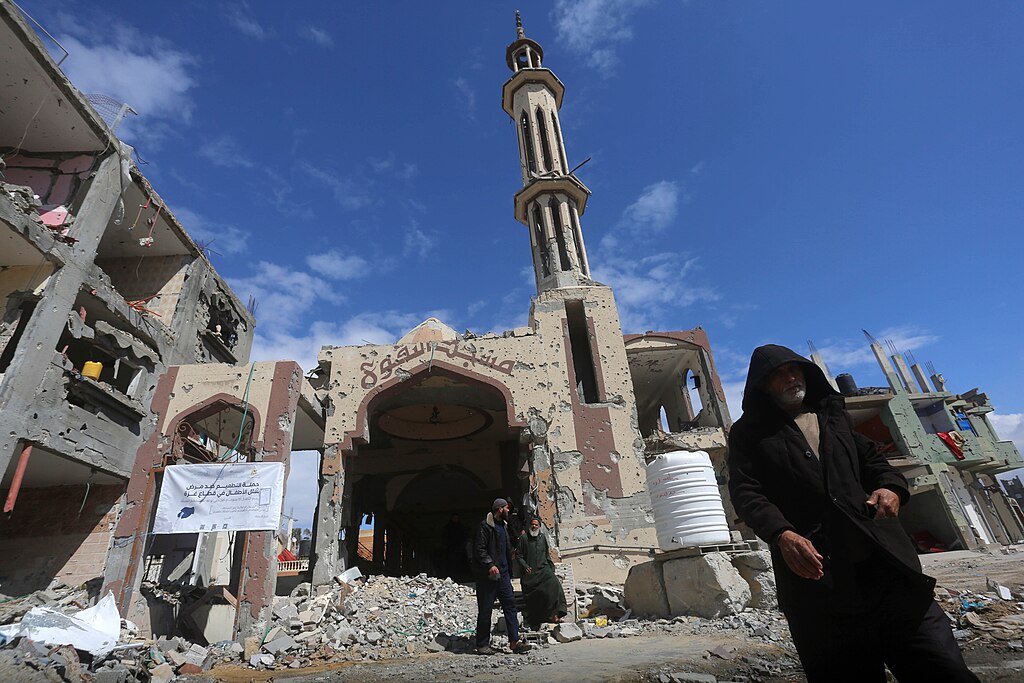
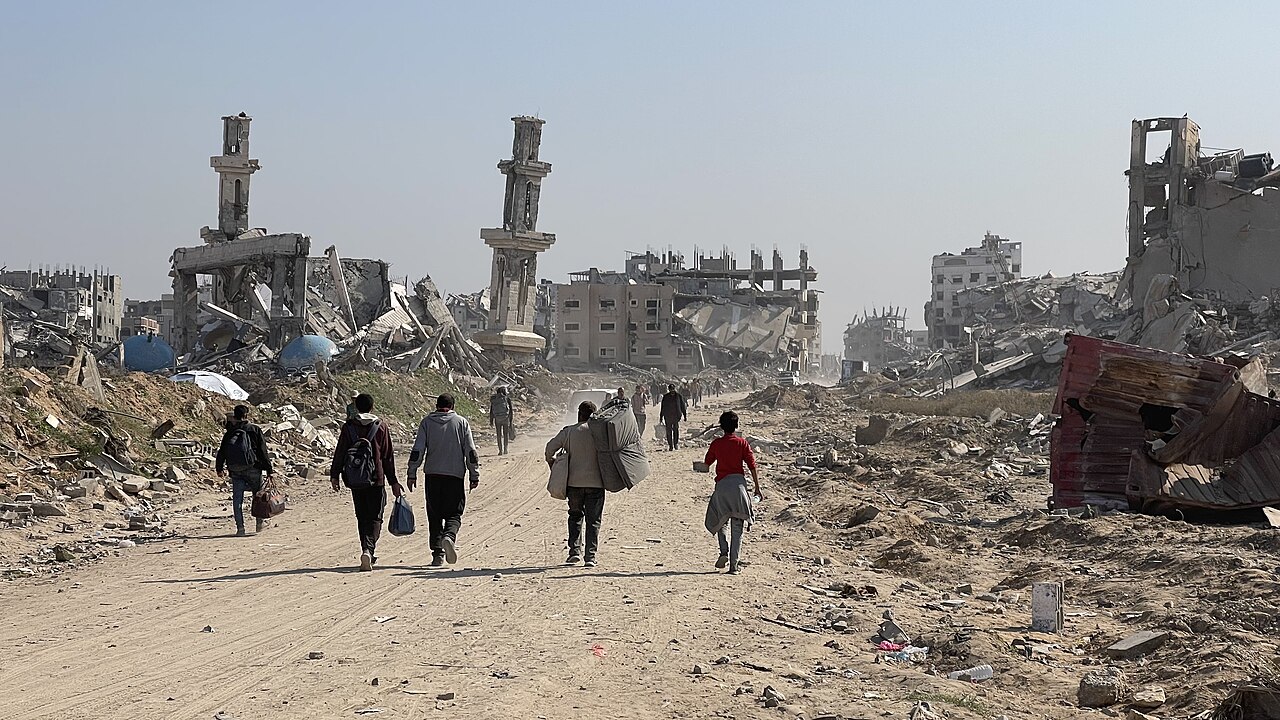
Nearly 12 months after the fragile ceasefire agreement between Hamas fighters and Israel, Israeli airstrikes and other military activity are continuing. The United Nations Office for the Coordination of Humanitarian Affairs, or OCHA, said the humanitarian situation in Gaza remains extremely dire.
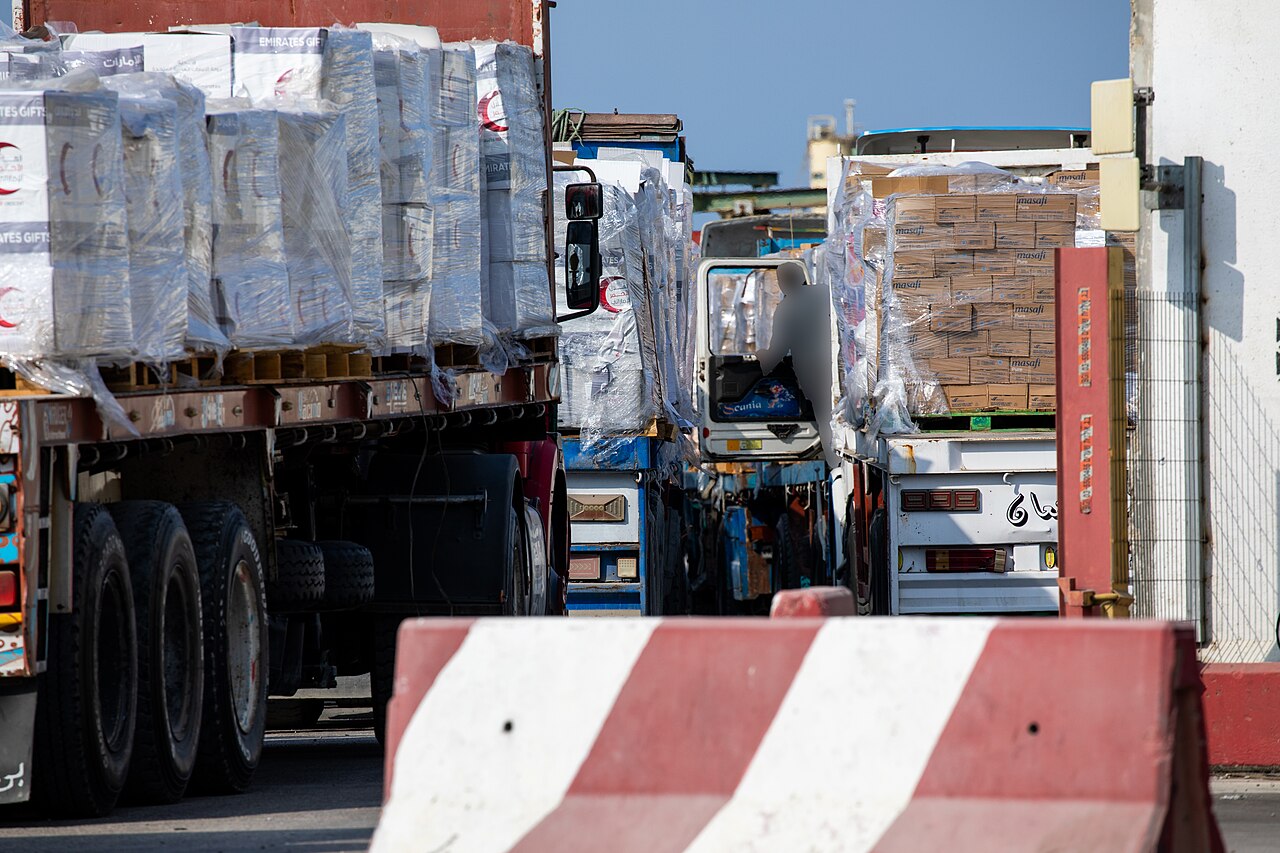
Approved aid can only be brought into Gaza through Kerem Shalom at the territory’s southern end. Rafah, also in the south, is open on a limited basis for the movement of people, including patients who require medical treatment outside Gaza. Meanwhile, four other main aid routes, namely Kissufim, Gate 96, Erez, and Erez West, remain closed.
WHO Representative in the Occupied Palestinian Territory Dr. Reinhilde Van De Weerdt emphasized that non-priority goods, or the right supplies arriving too late, will not save lives. WHO is calling for smooth, predictable, and large-scale access for aid, as well as the use of multiple crossings so that distribution does not depend on severely limited routes.
Prosthetics repeatedly held up
WHO has called on the Israeli authorities to reduce barriers to medical supplies. Van De Weerdt said essential medicines should not be classified as dual-use items and then prohibited on the grounds that they could be used by Hamas fighters. She said these are globally accepted medical supplies needed to operate hospitals and clinics.
Over the past six months, one shipment of prosthetics and assistive devices was rejected four times. WHO warned that every rejection means an additional delay for someone who has lost a limb and is waiting for the chance to walk again. The movement of medicines was described as relatively better, with nearly 87 percent of shipments approved and just over one percent rejected.
United Nations aid agencies continue to provide vital assistance to families across Gaza in coordination with the Israeli authorities. However, this work is hampered because available access remains unreliable and is often not provided in time. WHO also highlighted Gaza’s health workers, who continue to take great risks to help others even though too few supplies are arriving and many patients have yet to receive the care they need.
Health threats during winter
WHO warned that conditions could worsen after autumn ends. Nearly two million people need shelter to protect them from the cold and the risk of flooding. These conditions threaten not only the health and safety of affected residents but also their dignity.
As in previous winters, Gaza’s residents are expected to face an increased risk of preventable disease outbreaks. Contributing factors include the lack of safe shelter, shortages of clean water, and large numbers of rats that can transmit infections through bites. The destruction of public health laboratories also makes it more difficult to identify potential epidemics.
Waste and unexploded ordnance remain unaddressed
OCHA previously warned of serious public health risks from the accumulation of solid waste in central Gaza City. Improvements in sanitation that had been achieved remain fragile because access to heavy machinery and equipment is unreliable. Engine oil, spare parts, and sustained funding for fuel are also needed to keep the equipment operating.
At the same time, mine action partners reported that they still lack the permits and equipment needed to remove hazards posed by unexploded ordnance. These hazards were found among the rubble during 37 assessment missions. These obstacles add to safety risks amid growing health, sanitation, and protection needs.