News and context with references. Check the publication date and source dates.
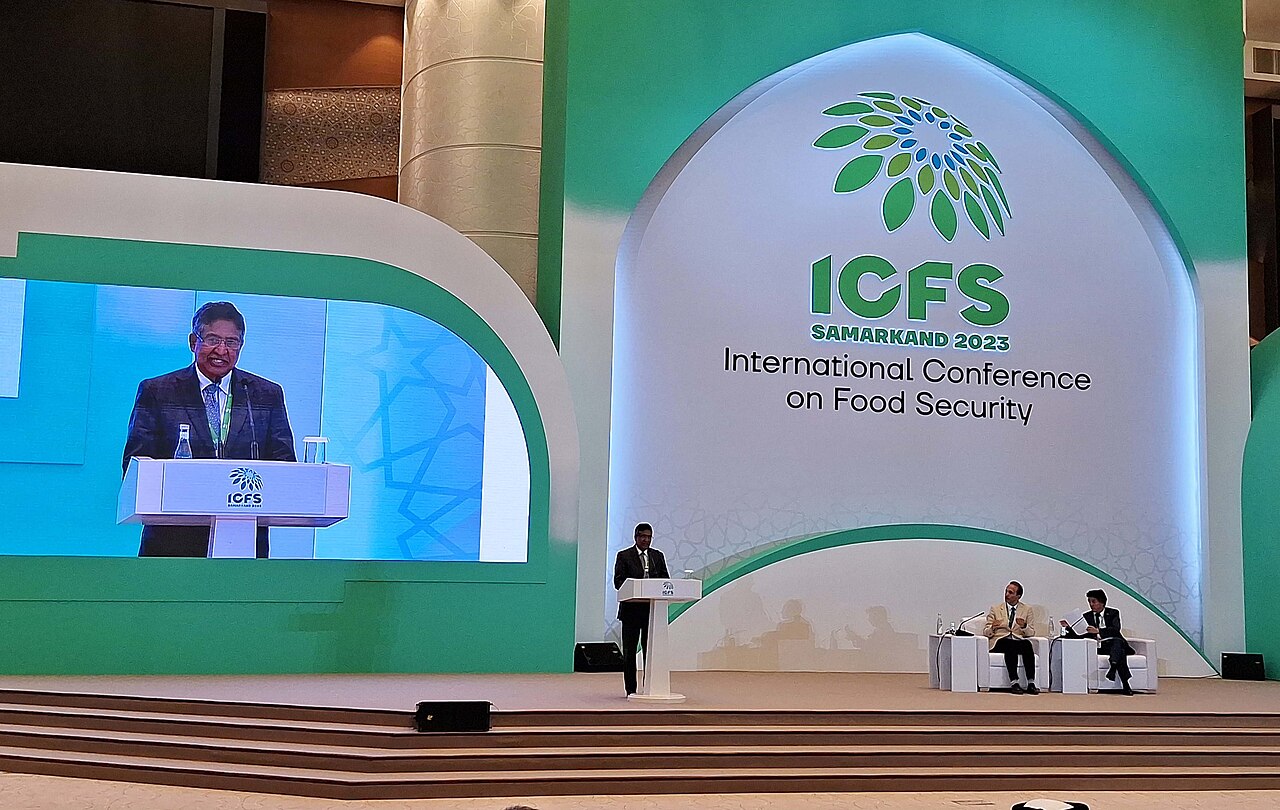
The United Nations-supported World Summit on Investing in Children’s Wellbeing opened in Samarkand, Uzbekistan, on Wednesday, October 21, 2026. According to UN News, the meeting brought together more than 600 participants from over 100 countries to discuss systems that enable children to grow up healthy and safe, receive an education, and obtain support when needed.
Threats to progress
United Nations Secretary-General António Guterres, in a message delivered by UN Resident Coordinator in Uzbekistan Sabine Mahl, emphasized that investing in children is an investment in the future. However, progress in children’s wellbeing is being threatened by conflict, economic pressures, health emergencies, poverty, and climate-related shocks. Children from vulnerable groups face greater risks.
Guterres also highlighted declining humanitarian and development assistance at a time when developing countries continue to carry heavy debt burdens. Because these issues are interconnected, the summit is not focused on a single program or service, but on health, education, social protection, family support, and violence prevention systems that need to work together.
Commitments must be fulfilled
UN General Assembly President Khalilur Rahman called for promises to children to be translated into tangible results. He said that only 36 percent of the Sustainable Development Goal targets that can be assessed are on track or showing moderate progress. Countries, he said, need to accelerate collective action and not lower their ambitions.
Rahman outlined four priorities: putting children ahead of processes, building services and social protection around their needs, reaching those who are furthest behind, and linking political promises to financing, accountability, and deadlines. He also called for a child-centered approach to the use of artificial intelligence and other technologies so that digital transformation expands opportunities without enabling exploitation, discrimination, manipulation, or privacy violations.
According to Rahman, progress cannot be assessed solely through increases in average figures. Governments must also close the gaps affecting children living in poverty, children with disabilities, displaced children, and those affected by conflict and climate shocks. These commitments need to be reflected in budgets and actual services.
Developments in Uzbekistan
The summit was organized by the Government of Uzbekistan together with the Office of the Special Representative of the UN Secretary-General on Violence against Children, UNICEF, the World Health Organization, and the World Bank. Ministers, academics, experts, civil society organizations, business representatives, as well as children and young people also participated.
Uzbekistan’s First Lady Ziroat Mirziyoyeva cited experts’ warnings that, amid a sharp decline in international humanitarian assistance, deaths among children under the age of five were expected to increase in 2025 for the first time this century. She also said that one billion children are growing up in countries most vulnerable to the effects of climate change.
In Uzbekistan, preschool enrollment rose from 27 percent in 2017 to 78 percent in 2026, according to Sabine Mahl. More than 10,000 children with disabilities attend mainstream schools, and around 1.5 million families receive social assistance. UNICEF said the proportion of children living in monetary poverty had declined significantly, partly due to government social support. The country also adopted a law protecting children from all forms of violence in 2025, along with an action strategy for 2026–2030.
The childhood cancer gap
The Samarkand summit also included the Second International Congress on Childhood Cancer, themed From Cure to Wellbeing. WHO said that more than 80 percent of children with cancer can be cured in high-income countries, while the figure is below 30 percent in many low- and middle-income countries. Around 400,000 children and adolescents are diagnosed with cancer each year, while WHO aims to achieve a global survival rate of 60 percent by 2030.
Support for pediatric patients does not end with treatment. Mehrli Maktab, a school operating at a pediatric oncology, hematology, and immunology medical center in Tashkent, enables patients aged two to 18 to continue learning during lengthy treatment. They study mathematics, information technology, electronics, music, and other subjects. Several former students attended the summit to share their experiences, in line with organizers’ efforts to include the voices of children and young people in the discussions.