News and context with references. Check the publication date and source dates.
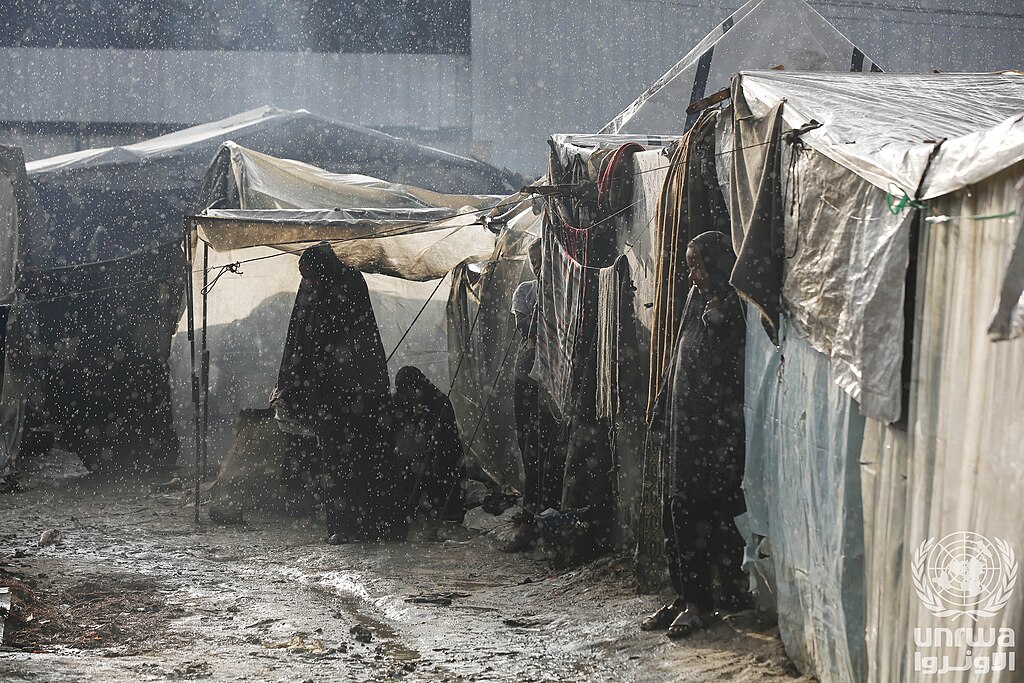
As the rainy season approaches, the shelter crisis in Gaza involves more than whether tents are available. Many displaced families are living in overcrowded sites, damaged buildings, or temporary shelters vulnerable to standing water and disease. OCHA's report published on 4 September 2026, with principal data covering 24–30 August unless otherwise specified, describes humanitarian needs that remained urgent; it should not be read as a direct measurement of every day after that reporting period.
Risks rise when the rains arrive
OCHA stated that most of Gaza's approximately 2.1 million residents were approaching the rainy season while living in overcrowded conditions. Displacement sites face risks from flooding and disease, while preparation efforts are constrained by funding shortfalls and access restrictions. This is OCHA's humanitarian assessment for the reporting period, not a certainty that every site will experience the same effects.
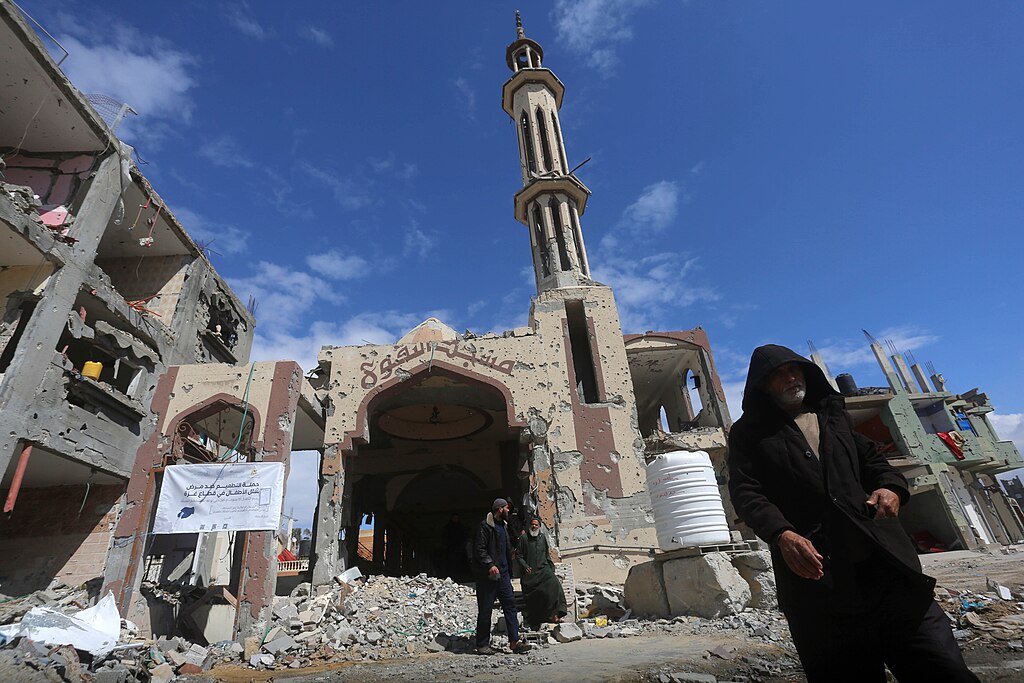
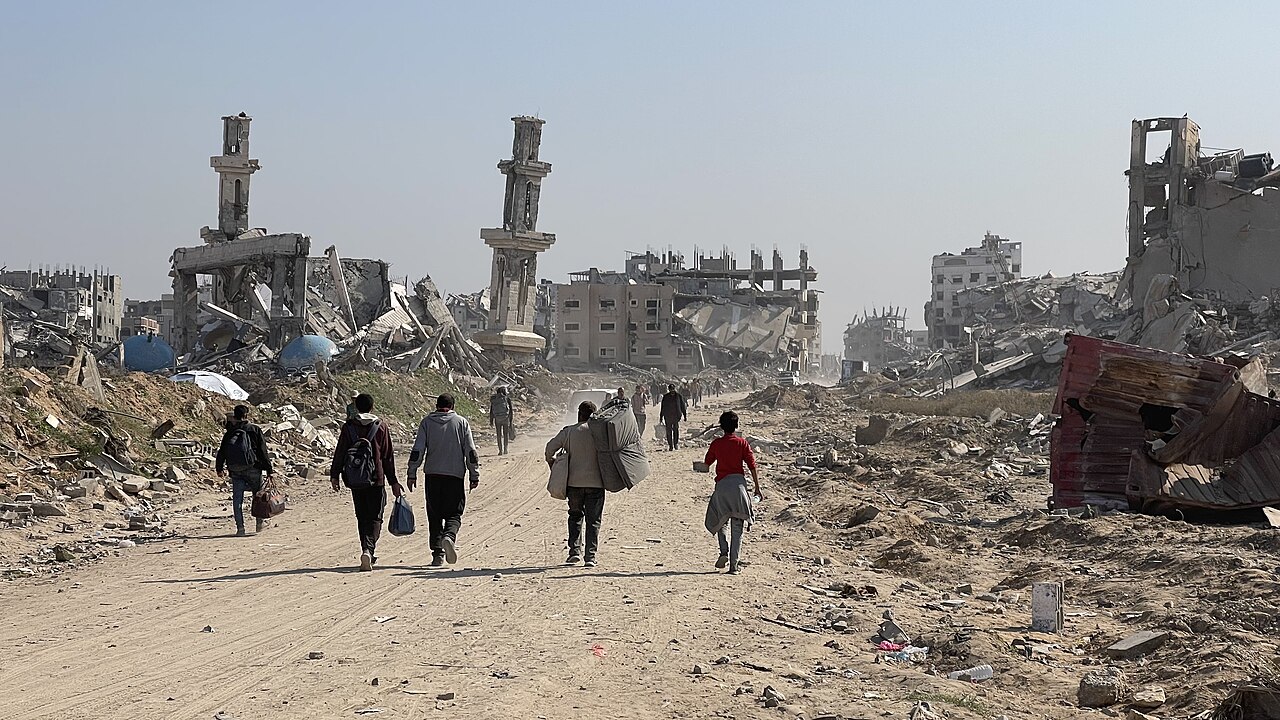
Damage to roads, water networks, and sanitation systems can slow the response when rain worsens living conditions. For families who have already lost their homes or been displaced repeatedly, damaged tents and standing water are not merely matters of comfort; they can undermine protection, hygiene, and access to basic services.
Safe water and sanitation are under pressure
According to OCHA, a water well and desalination facility in Deir al Balah were damaged by a nearby strike on 24 August. The damage disrupted access to safe drinking water for more than 4,000 people, including about 2,000 children, according to UNICEF information cited by OCHA. After debris was cleared, humanitarian partners repaired the facilities, which were estimated to be capable of supplying purified drinking water to about 100,000 people; this figure describes estimated service capacity, not a confirmed number of recipients each day.
OCHA also reported that 91 per cent of households assessed in a WASH monitoring survey in early August still experienced moderate-to-high water insecurity. This survey figure relates to the households assessed and does not automatically represent Gaza's entire population. On 31 August, after the report's principal period, a temporary suspension of desalination in Israel reduced the water supply for about 1 million people who depended on the network; OCHA said the problem was still ongoing on 3 September.
Casualties and needs extend beyond physical damage
For the period from 26 August to 2 September, the Ministry of Health in Gaza reported that 31 Palestinians were killed and 86 injured, including people who died of wounds or whose bodies were recovered from beneath rubble. OCHA presented these figures as reports from the Ministry of Health, not as numbers independently verified by the UN. The Ministry reported a total of 1,334 fatalities and 4,429 injuries since the ceasefire agreement was announced on 10 October 2025; the timeframe and source of these figures must be distinguished from conditions beyond the date of the report.
The ICRC wrote on 14 August 2026 that hundreds of thousands of Palestinians continued to face fear, insecurity, repeated displacement, and difficulty obtaining clean water, sanitation, adequate shelter, nutritious food, health care, and education. The ICRC's account comes from its own article on that date and provides humanitarian context, not a daily update for 12 September.