An educational article with references listed below.
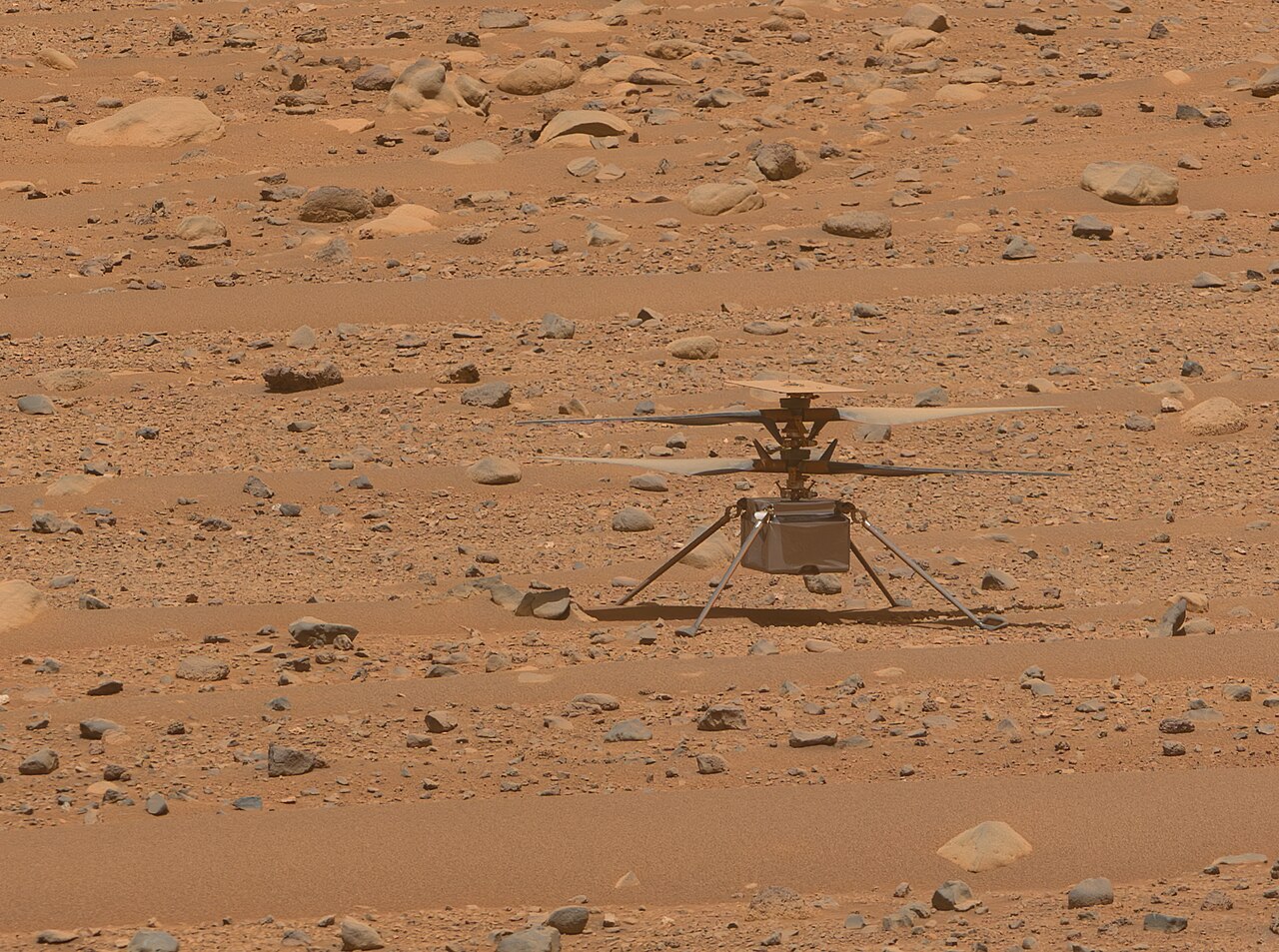
Martian dust is more than just dirt that sticks to equipment. Measurements by the Perseverance rover show the presence of fine and ultrafine particles that could potentially enter the lungs, bloodstream, and even other parts of the body. These findings provide important guidance for protecting astronauts on future human missions to Mars.
A Small Laboratory on the Martian Surface
Over 1,645 Martian days, Perseverance measured dust adhering to samples of spacesuit materials carried aboard the rover. Five pieces of material, each measuring about 20 square millimeters, were included as part of the calibration target for SHERLOC, an instrument on Perseverance's robotic arm. Teflon and basaltic glass samples were also included on the calibration target for the PIXL instrument.
PIXL operates as an X-ray spectrometer that examines chemical elements. Because Teflon does not contain elements that the instrument can detect directly, elemental signals on its surface can be attributed to adhering dust. Researchers also analyzed Teflon and Vectran, two materials used in spacesuits, to see how they withstand the Martian environment.
Perseverance's primary mission is to search for signs of ancient microbial life. However, the mission was also designed to help prepare for human exploration by testing technologies and materials, including these spacesuit samples.
Far Thinner Than a Human Hair
Previous measurements on Mars could identify grains as small as about 3 micrometers. PIXL has now detected fine particles smaller than 2.5 micrometers and ultrafine particles measuring about 100 nanometers. For comparison, a human hair is about 70 micrometers wide, making the smallest particles roughly 700 times thinner.
Dust on PIXL's Teflon target and SHERLOC's Vectran sample averaged about 2 micrometers in size. On PIXL's basaltic glass and SHERLOC's Teflon sample, the particles measured about 100 to 300 nanometers. These are the first direct measurements of such fine and ultrafine particles on the Martian surface.
Static Electricity Keeps Dust in Place
The size of the particles that adhere appears to be influenced by static electricity. When airborne dust grains collide, they acquire an electrical charge. Different materials then attract particles of different sizes. Larger clumps may be dislodged by vibrations, but the smallest particles remain attached even after Perseverance has spent years moving and drilling.
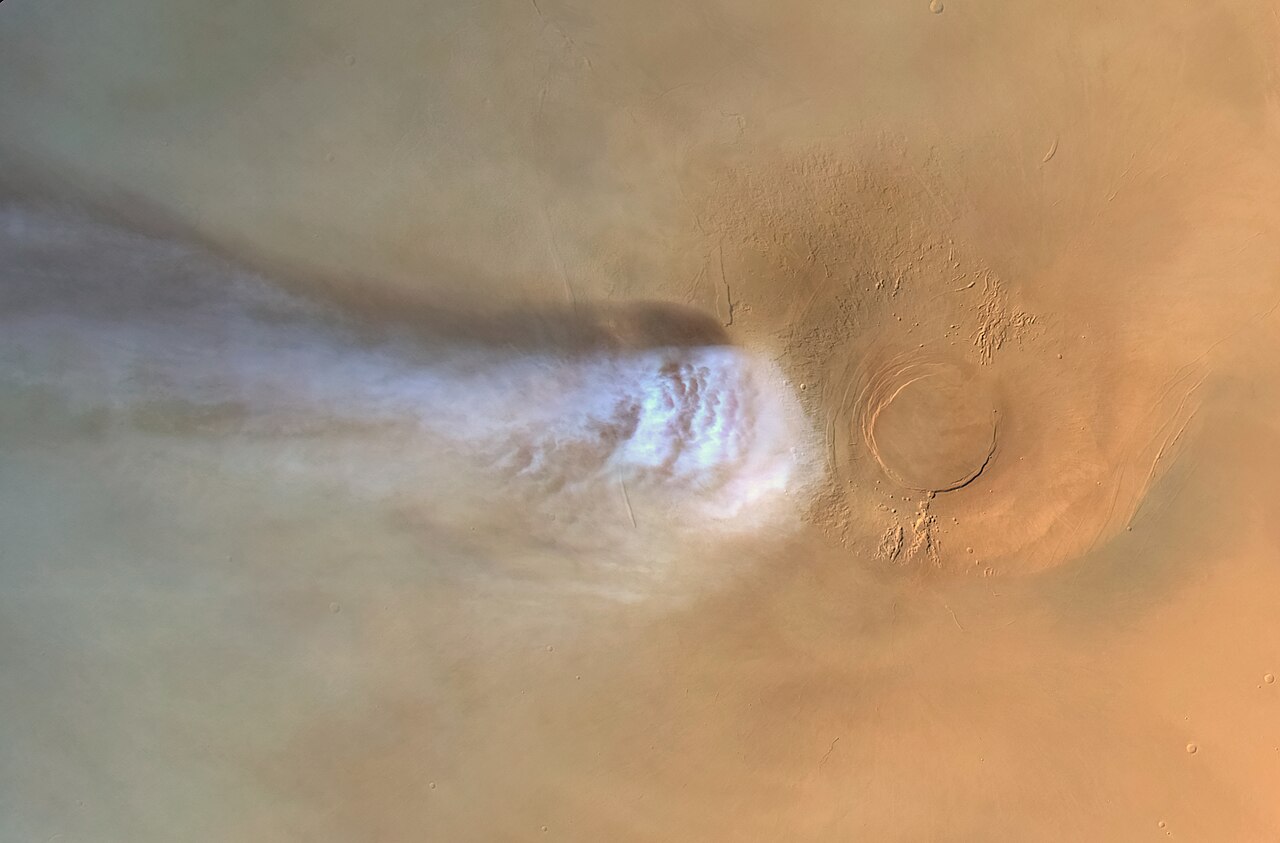
Martian dust is more rounded and less abrasive than lunar dust because it undergoes wind-driven collisions. Nevertheless, Martian dust is rich in sulfur, chlorine, and iron, and contains more silica than lunar dust. PIXL also found phosphorus enrichment and signs of calcium sulfate. Regional and global dust storms can keep circulating these grains through the Martian atmosphere.
Challenges for Health and Habitats
On Earth, particles smaller than 2.5 micrometers are associated with various health effects because they can penetrate deep into the lungs and enter the bloodstream. Research also indicates that ultrafine particles no larger than 100 nanometers can travel from the nasal cavity to the brain through the olfactory nerve.
Martian dust consists mainly of silicate minerals and carries reactive compounds. Perchlorates can disrupt thyroid function, while reactive iron can cause cellular damage. The level of risk is expected to depend on the amount of dust and the duration of exposure.
The finding that some materials retain less dust could guide the selection of materials and protective coatings. Suitports, which allow astronauts to enter spacesuits that remain attached outside the habitat, as well as multi-chamber airlocks, could reduce the amount of dust entering living quarters. Perseverance's data could also help establish safer exposure limits, work practices, and cleaning procedures.