News and context with references. Check the publication date and source dates.
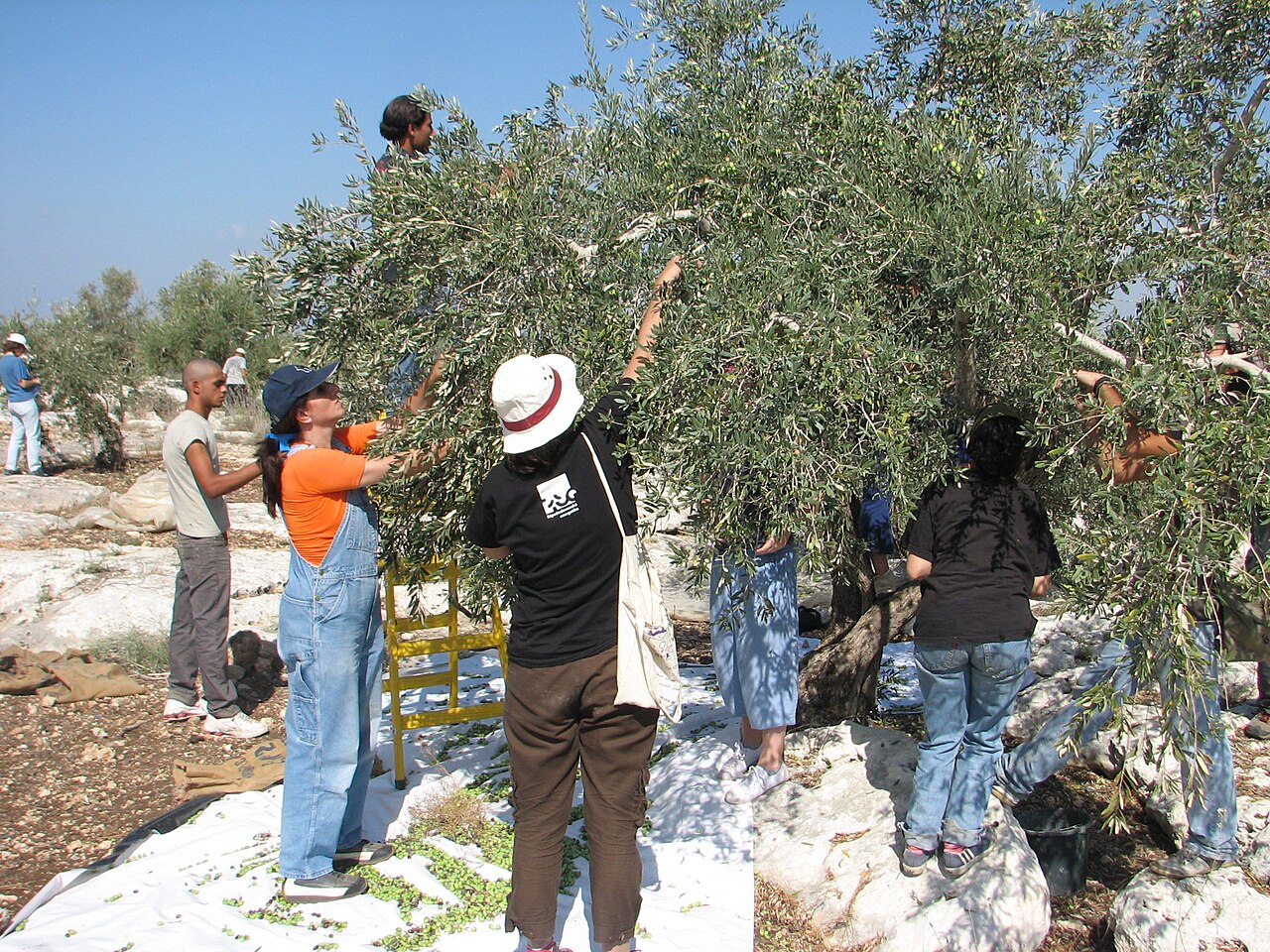
This year’s olive harvest season in the occupied West Bank began amid the use of live ammunition, arson, and the destruction of centuries-old trees. According to a UN News report published on October 21, 2026, the UN Office for the Coordination of Humanitarian Affairs recorded at least 160 Israeli settler attacks related to the harvest during the first two weeks of October.
Violence at the Start of the Harvest Season
The UN Office for the Coordination of Humanitarian Affairs, or OCHA, reported that the attacks frequently occurred under the protection of or with the involvement of Israeli forces. In addition to attacking residents, settlers reportedly damaged Palestinian property and took harvested olives and farming equipment.
On the Friday before the report was published, settlers attacked a Washington Post photojournalist covering the harvest. A day later, European diplomats visiting a Palestinian community were also targeted in an attack. The UN Human Rights Office in the Occupied Palestinian Territory, or OHCHR, described the series of incidents as a troubling start to the season.
Farmers Struggle to Reach Their Groves
Thousands of Palestinian farmers have been unable to reach their olive trees because of Israeli movement restrictions. According to OHCHR, the restrictions have worsened dramatically over the past three years. At the same time, settlers are said to have been allowed to enter Palestinian-owned land to harvest its produce.
Ajith Sunghay, head of the UN Human Rights Office in the Occupied Palestinian Territory, said Palestinians often view olive trees as a symbol of their existence as a people and of their connection to the land. He said disruption of the harvest had become another means of driving displacement and dispossession, adding to the suffering of communities facing daily pressure.
Heavy Losses in the Olive Sector
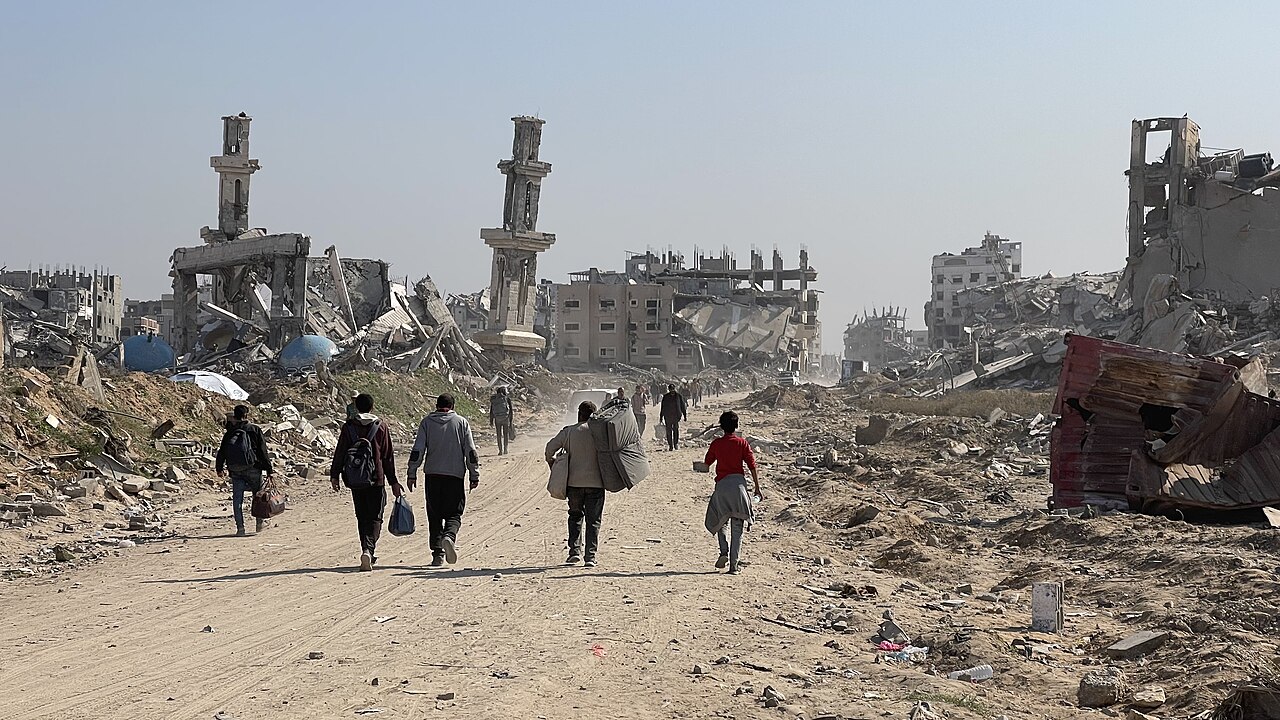
The impact on the olive sector has reportedly been severe. The Palestinian Ministry of Agriculture estimated losses at 157 million dollars since October 2023. The ministry also stated that 90 percent of Gaza’s two million olive trees had been destroyed during that period.
In the West Bank, 286,000 olive trees were damaged between 2023 and the end of September 2026. Of these, 100,000 trees were damaged this year, even before the harvest season began. The figures show that threats to farmers’ livelihoods were already present before they began gathering produce from their groves.
Calls for Protection and Accountability
OHCHR called on countries and donors to go beyond condemnation and take urgent action to protect Palestinian communities. Sunghay reiterated the call by the Protection Cluster, a network of more than 100 international and national organizations led by his office, for member states to increase their diplomatic presence on the ground, particularly in high-risk communities during the harvest season.
The Protection Cluster also urged national governments to press Israel to ensure Palestinians can safely access farmland, protect farmers from violence and displacement, strengthen accountability, and halt settlement expansion. In recent years, staff from the UN agency for Palestinian refugees, UNRWA, have also assisted with harvesting in Beit Surik, Biddu, and Wadi Fukin. The UN also allocated 750,000 dollars from the Humanitarian Fund in 2024 to support olive farmers and underscore the importance of unhindered access to their groves.