News and context with references. Check the publication date and source dates.
An ICRC report published on 30 August 2026 highlights an often unseen form of suffering in Gaza: thousands of families still do not know the fate of their loved ones. Some may still be alive, detained, or dead and yet to be found beneath the rubble. This uncertainty is not merely an administrative matter, but a humanitarian burden that can last for years.
Knowing the fate of family members is a humanitarian need
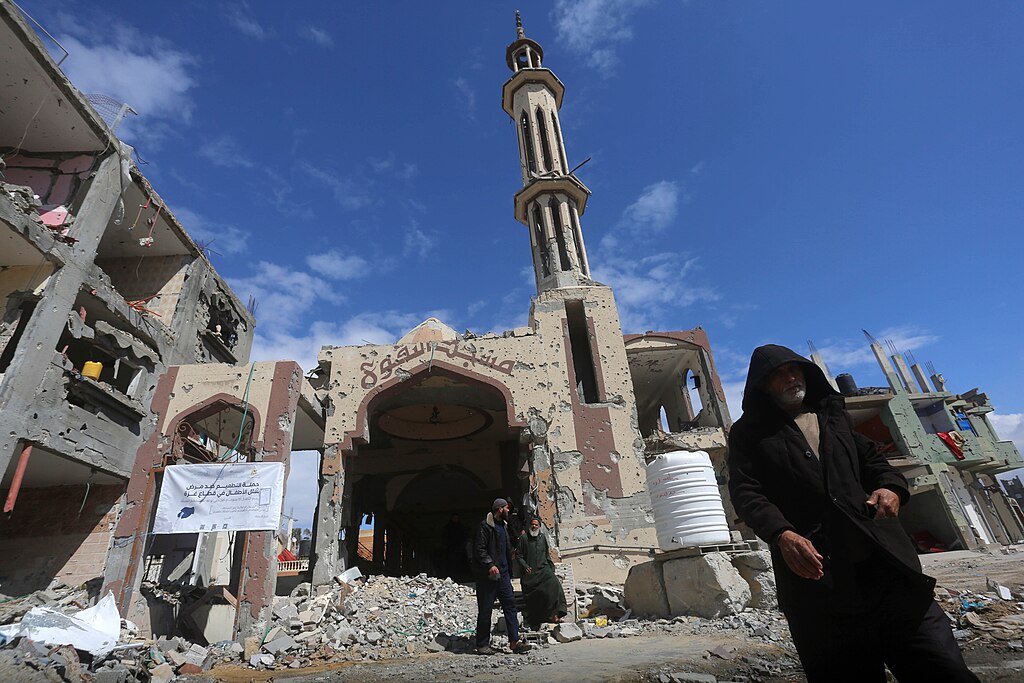
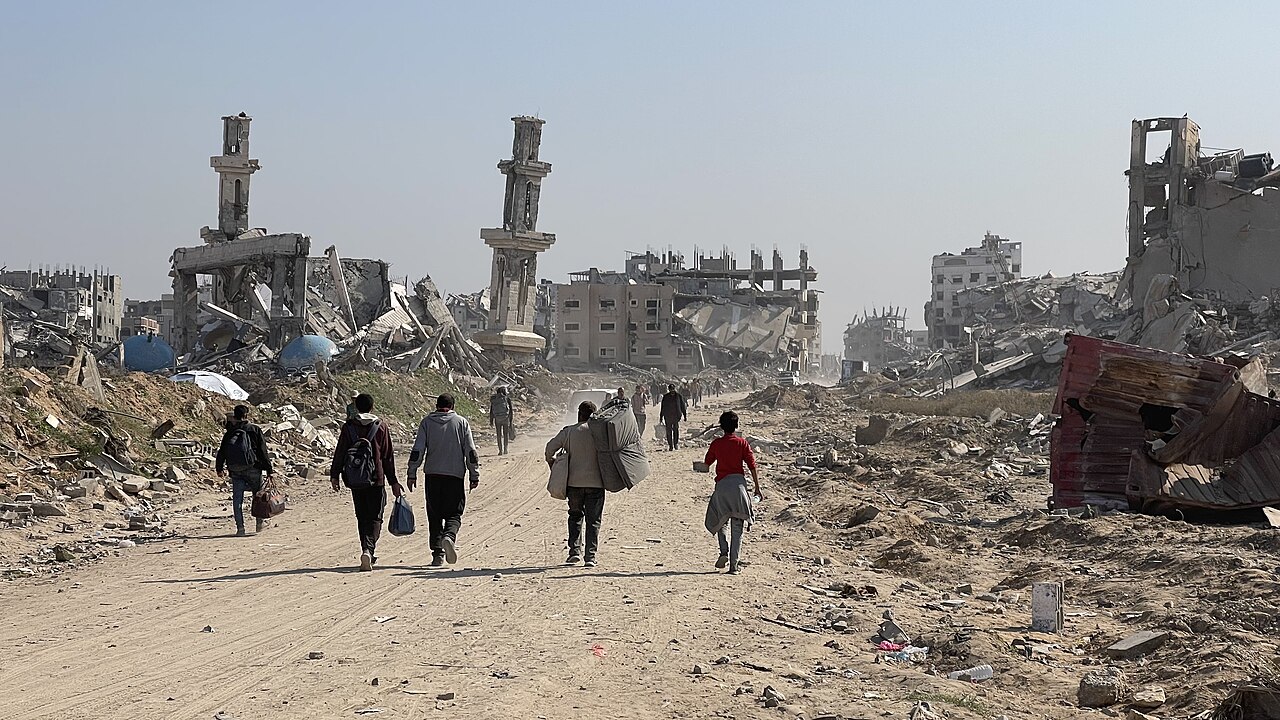
The ICRC states that parties to an armed conflict are obligated to take all feasible measures to determine the fate of people reported missing as a result of the conflict and to provide families with any information they hold. In Gaza, this obligation confronts widespread destruction, repeated displacement, possible detention, and the large number of people believed to remain beneath the rubble.
The term “missing person” encompasses different circumstances. A person may become separated while fleeing, lose communication, be held in detention, or die without identification and a traceable burial. Therefore, no single figure can by itself explain the full scale of the issue. In its 30 August report, the ICRC uses the phrase “thousands of families,” rather than giving a precise number of missing people.
Search and identification efforts face severe constraints
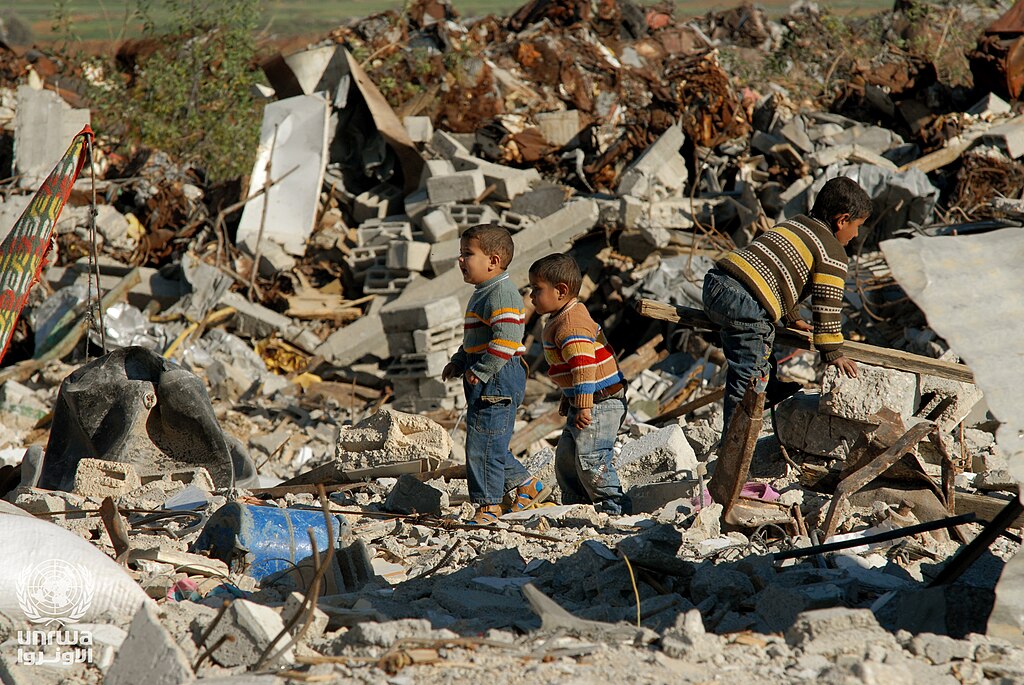
According to the ICRC, searching for, recovering and identifying human remains may take years. Operations in Gaza require specialized equipment and sustained coordination among many parties, while local forensic capacity is extremely limited and DNA testing facilities were not available when the report was published.
These limitations also affect certainty about casualty figures. OCHA's snapshot dated 2 September 2026 explains that figures not yet verified by the UN remain attributed to their providers. Casualty figures in the document come from the Ministry of Health in Gaza and the Israeli authorities, while the breakdown of fatalities fully identified by the ministry still relies on data through 31 December 2025. Therefore, the reported cumulative toll, confirmed identities and the number of people still being sought must not be treated as equivalent measures.
The humanitarian context continues to make families' search harder
OCHA's situation report published on 11 September 2026, using operational data from several periods through early September, says that airstrikes and other attacks continued to hit populated areas, causing casualties, damage and new displacement. OCHA also reports that inadequate shelter, overcrowding, and limited access to safe water and sanitation are increasing the risk of communicable disease transmission.
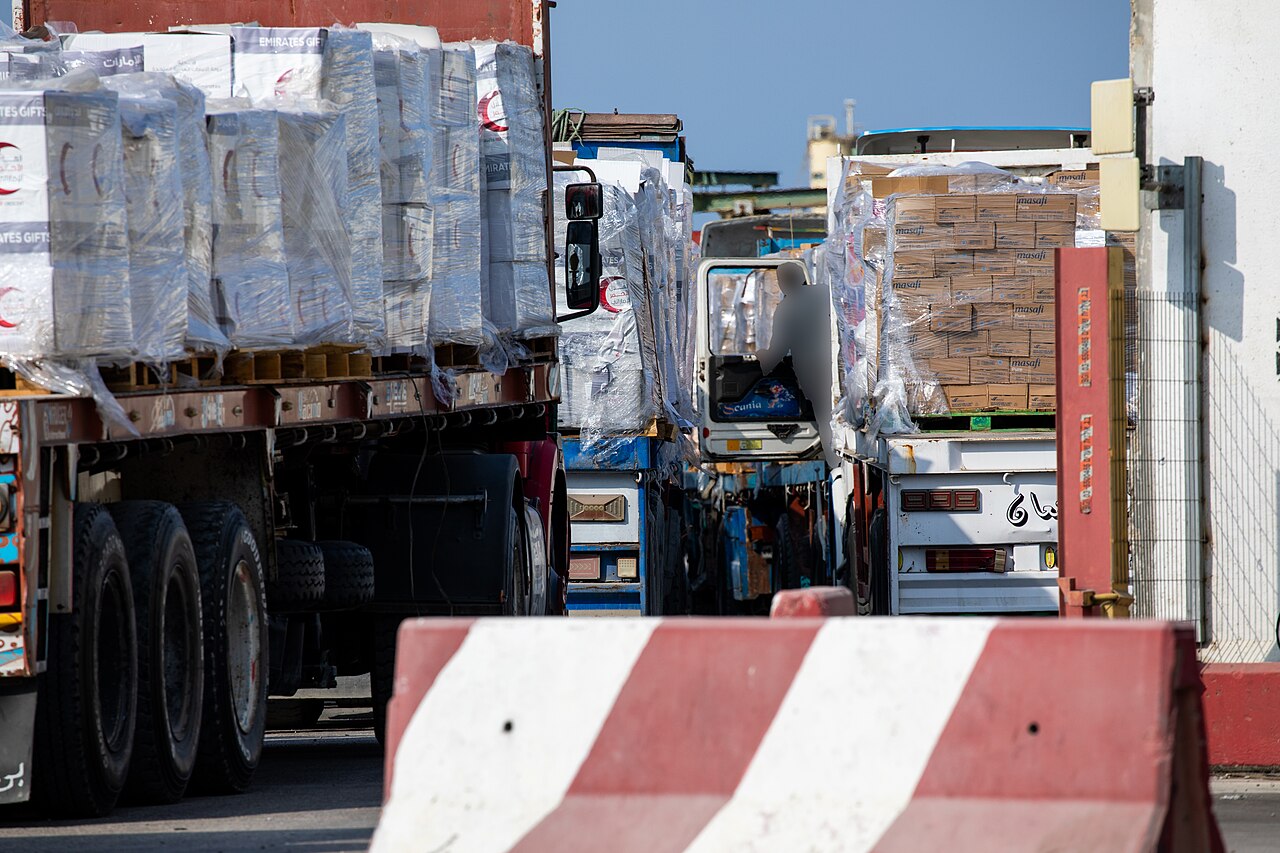
These conditions mean that the search for information unfolds alongside urgent basic needs. Families must survive, relocate, find water and health care, while also tracing hospitals, places of detention, death records or news from their communities. Humanitarian support therefore does not end with physical searches: orderly documentation, data protection, dignified management of human remains and trustworthy communication are equally important to families' right to know.