News and context with references. Check the publication date and source dates.
The UN has warned against withdrawing peacekeepers too soon from the Central African Republic as the effects of the war in Sudan spread into the country. According to UN News, deadly violence is rising again in the east, even though nearly 2,000 combatants have been disarmed and the latest stages of the electoral process are gradually being completed. The UN Security Council must now consider the security situation ahead of its decision on MINUSCA's mandate.
Attacks in border areas
The UN's top envoy in the Central African Republic, Valentine Rugwabiza, highlighted an attack by several armed groups on Am-Dafock, near the Sudanese border, on June 30. The attack killed civilians and members of the national security forces, displaced 17,000 people, and wounded six UN peacekeepers.
Rugwabiza said MINUSCA's rapid response prevented a higher death toll in the border region near Chad and Sudan. The mission's presence was also credited with enabling the restoration of state authority after armed groups controlled the area for five days before their members withdrew across the border into Sudan.
As Bangui seeks to strengthen its authority and continue disarming rebel groups, violence has instead increased in the east. The war in Sudan has also contributed to instability and complicated plans for a gradual reduction of MINUSCA's forces. The situation in the northeast and southeast is a particular concern, especially around mining sites and routes commonly used by pastoralists.
Threats to civilians
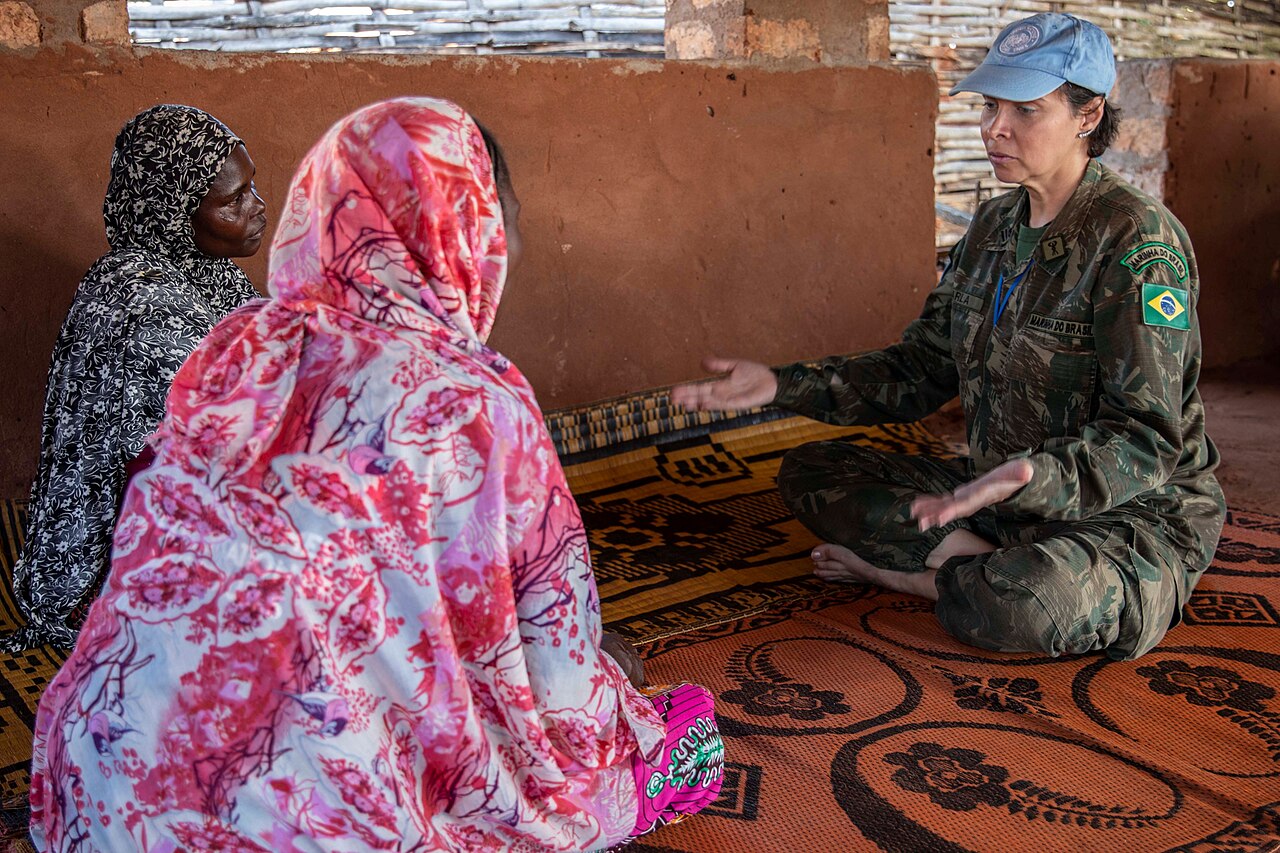
In the southeast, 26 serious incidents were recorded between June and September and attributed to people suspected of being members of the Lord's Resistance Army, an armed group originating in Uganda. Reports of the incidents included rape, sexual slavery, and the abduction of 68 civilians. Around 40 of those abducted were children.
The Azandé Ani Kpi Gbé militia also continues to threaten local residents. Nevertheless, Rugwabiza announced the release of three hostages on Monday after several months of mediation with local leaders. The three had been held since December 2025, and one of them was an official from the Bambouti subprefecture.
Political progress has yet to ensure security
These security developments contrast with progress in the peace process. Since July 2025, 1,907 combatants have been disarmed and demobilized. However, their economic reintegration remains difficult, while some of them cannot be located.
The political process is also nearing completion. As of October 1, 127 of the country's 177 municipalities had formed municipal councils. The remaining votes, previously delayed by funding and logistical constraints, were scheduled for October 25.
Institutional progress has not yet been enough to improve people's lives. Nearly two million residents of the Central African Republic, equivalent to 31 percent of the population, faced acute food insecurity between April and August. By early October, the UN humanitarian response plan had received only 46.6 percent of its required funding.
MINUSCA mandate under consideration
The Security Council must decide before mid-November whether to extend MINUSCA's mandate. The mission, deployed since 2014, has closed several bases in areas deemed sufficiently stable and transferred some responsibilities to national authorities. According to Rugwabiza, an initial assessment found no major deterioration in security in areas affected by the base closures. However, the arrangement depends on long-range patrols and the strengthening of Central African Republic forces.
MINUSCA currently maintains more than 12,000 peacekeepers. Rugwabiza asked the Security Council to retain adequate troop levels and capabilities during the consolidation phase. The UN Secretary-General recommended extending the mandate for one year while preserving the mission's military capacity for rapid intervention.
Security Council members are divided. The United States has pushed for larger troop reductions, while other countries have warned of the risks of a hasty withdrawal. After more than a decade of MINUSCA's presence, the Central African Republic has restored some of its institutions and territory, but violence in border areas shows that these gains still depend on international support.