News and context with references. Check the publication date and source dates.
An increase in drone attacks on civilian infrastructure in Sudan is endangering civilians and hampering humanitarian aid. In an interview published by UN News on November 3, 2026, Denise Brown, the UN Resident and Humanitarian Coordinator in Sudan, warned that disruptions to electricity, water, and fuel supplies have hit basic services. She urged the international community to help end the fighting and provide urgently needed funding.
Power outages interrupt patient care
According to Brown, there has been a pattern of intense drone attacks in recent weeks. She said the attacks appeared to target civilian infrastructure, including energy and fuel sources, which are protected under international humanitarian law. Her assessment of the suspected violations referred to the apparent targets and observed effects of the attacks.
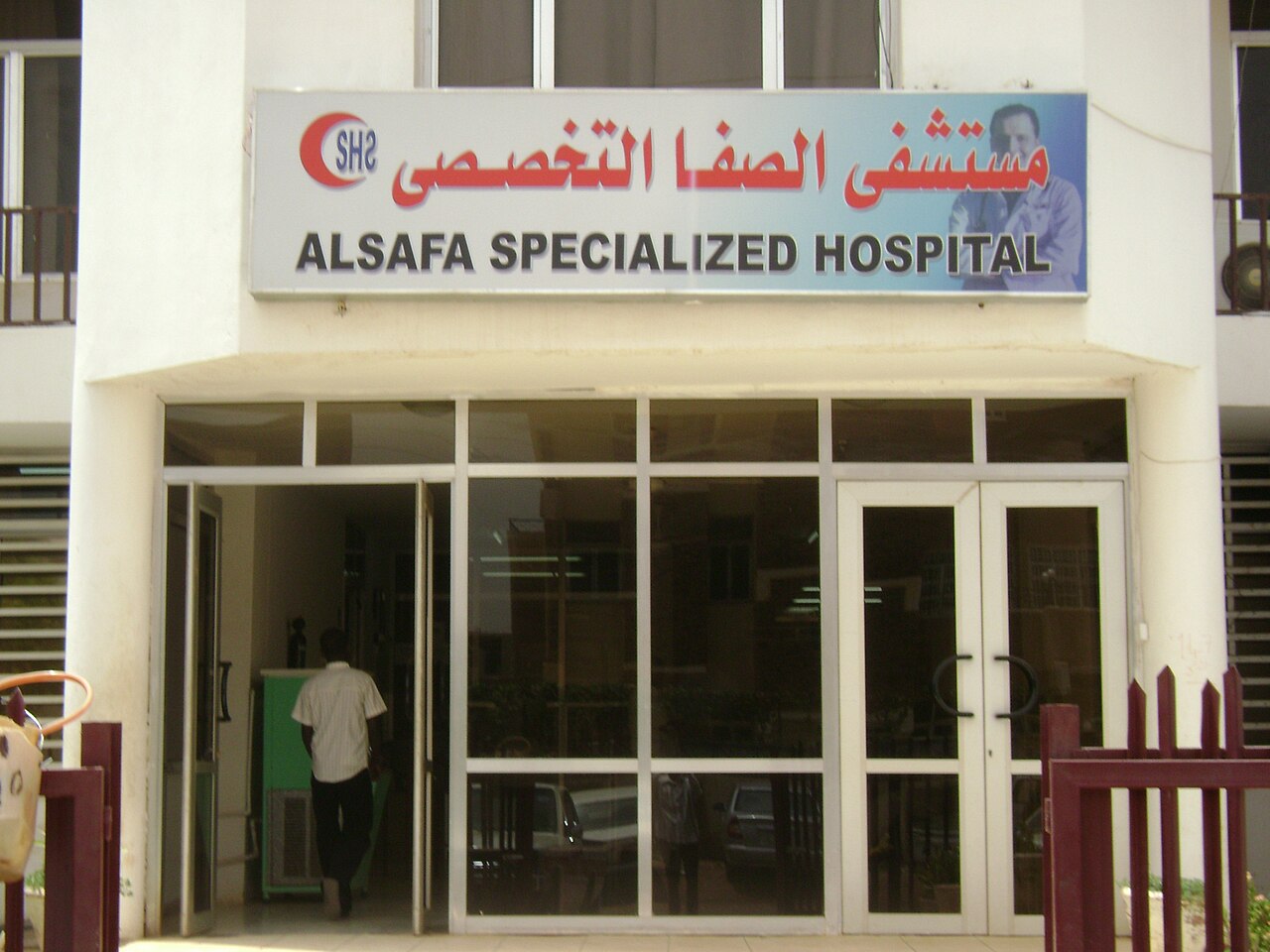
Brown said a World Health Organization, or WHO, team was at a hospital outside Khartoum when a drone attack caused a power outage. The hospital had neither a generator nor solar panels, forcing treatment to stop for 25 patients who needed dialysis. The power disruption also affected services for women giving birth, children, and other patients.
Fuel shortages put pressure on residents
The impact of the attacks extends beyond health facilities. Brown described disruptions to water supplies and widespread fuel shortages. In Khartoum, fuel queues stretched for several kilometers. Among those waiting were tuk-tuk drivers who take people to work or to markets.
According to Brown, these drivers, who depend on daily earnings, have to wait several days for fuel and therefore earn no income. She also reported attacks on markets and displacement sites. This account shows that the impact highlighted by the UN affects both civilians' safety and their ability to meet everyday needs.
Hundreds of aid trucks stranded
Fuel shortages are also crippling aid deliveries. Brown said hundreds of trucks were stranded, even as the UN supply network transports food, nutritional products, shelter supplies, and non-food items. Without fuel, aid cannot reach people who need food, children with severe acute malnutrition, or displaced people who need tents.
Beyond logistical obstacles, humanitarian workers face the risk of attack. According to Brown, World Food Programme, or WFP, convoys were attacked seven times that year and 20 times over the past two years, resulting in deaths and the loss of food. Access to Dilling in South Kordofan, as well as parts of Blue Nile, Darfur, and West Kordofan, requires continual negotiations to allow personnel and supplies to enter safely.
Needs rise amid the war
Brown explained that a severe lack of rainfall in recent months has added pressure to the ongoing crisis. In parts of Darfur and Kordofan, people are moving in search of food. At the same time, millions remain displaced by the war, basic social services are disrupted, and the health system has been severely damaged.
Citing a UNICEF assessment, Brown said rates of severe acute malnutrition had exceeded emergency thresholds in many areas, particularly those directly affected by the war. The UN is working with international and national nongovernmental organizations and local communities to save lives. Brown emphasized that local communities are the first to respond and remain on the front lines.