News and context with references. Check the publication date and source dates.
More than 340 children were reportedly killed and hundreds more injured in Gaza in the little over a year since the ceasefire agreement between Hamas and Israel was announced. According to an October 16, 2026, UN News report, UNICEF said the figures showed that children’s lives remained far from safe.
Death toll continues to rise
UNICEF spokesperson Ricardo Pires said that for families grieving the loss of a child, the casualty figures do not reflect the reality of a ceasefire. In the past two weeks alone, five boys and two girls were reportedly killed in Gaza by airstrikes, drone attacks, and gunfire. At least 33 children were also seriously injured.
Two other boys died from injuries they had previously sustained. UNICEF stressed that the impact of the Hamas-Israel war affects nearly every aspect of children’s lives, from where they sleep and the food available to them to their opportunities to learn.
Children shoulder family responsibilities
Pires highlighted the story of Norhan, a 16-year-old whose mother was shot while eight months pregnant. Her mother gave birth to her baby but died the following day. Because Norhan’s father lives with a disability, the teenager now cares for her one-year-old sister, Narjis, and has assumed full responsibility for the household.
Norhan spends her days tidying the home, cooking, and playing with Narjis. Her three other siblings attend activities at a UNICEF-supported learning center. After they finish studying, Norhan helps them with their lessons in the hope that they can still have a future. Her story illustrates how war changes children’s roles within their families and burdens them with major responsibilities.
Threats from hunger, rain, and sanitation problems
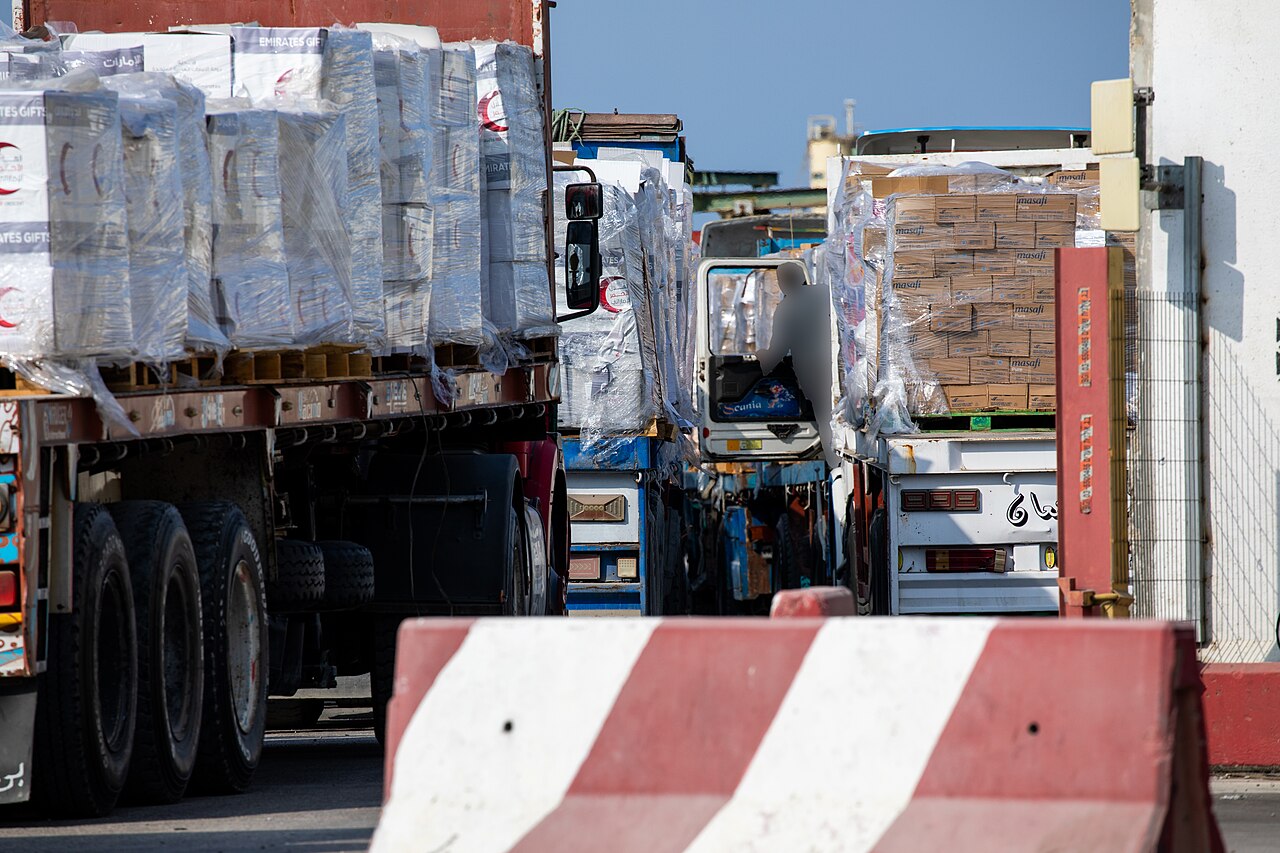
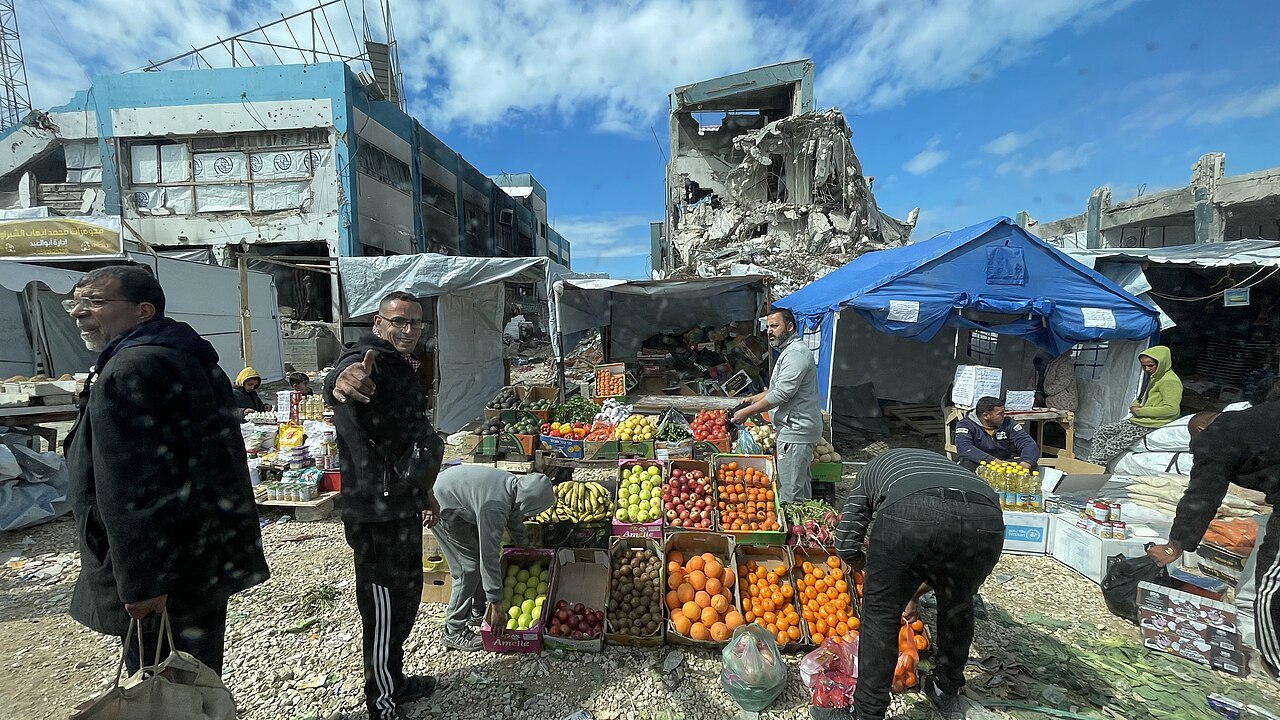
UNICEF said the flow of humanitarian and commercial goods must continue without interruption so that children’s recovery can proceed. The statement came amid reports that private traders in Gaza had stopped cooperating with Israeli authorities over the entry of commercial trucks carrying food into the territory.
Pires recalled conditions in Gaza City before the ceasefire began, when supplies could not enter and famine was declared by United Nations-backed food security experts. He stressed that children and families must not again face conditions in which the supplies, goods, and services needed for survival are unavailable.
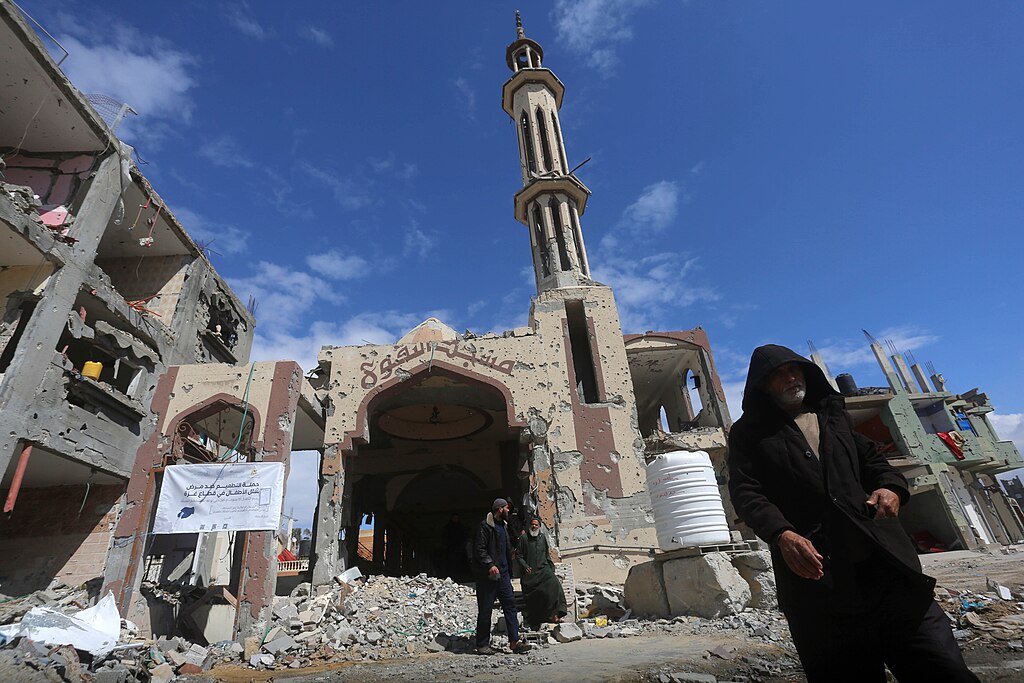
Falling temperatures have further worsened conditions for displaced families. They reportedly fill empty flour sacks with sand to prevent rainwater from entering their tents. Severe damage to the drainage network caused by Israeli bombardment has also raised concerns. The Sheikh Radwan stormwater basin is half-filled with wastewater and risks overflowing during the winter rains, potentially flooding residential areas and endangering children and families.
Displacement and recovery support
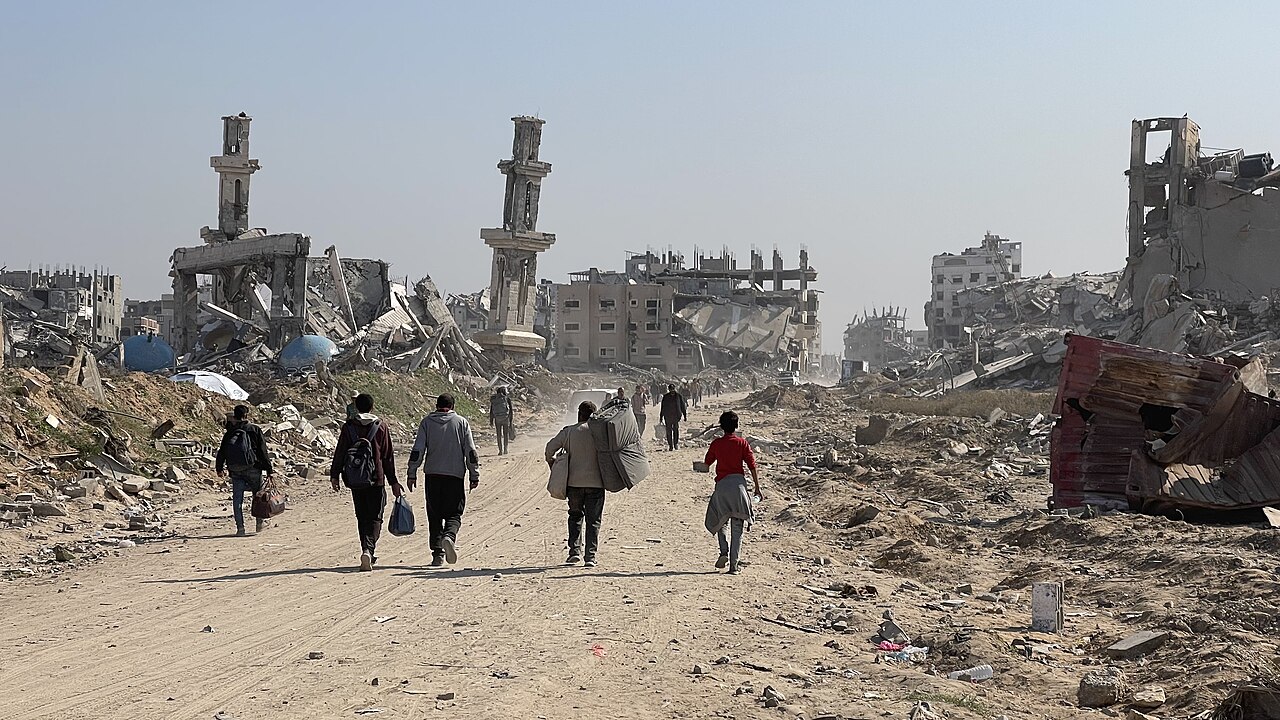
According to UNICEF, about 800,000 children remain displaced in Gaza. Most are living in tents or buildings damaged by bombardment and considered unsafe. An estimated 60,000 children lost one or both parents during the war or after the ceasefire, while nearly every child needs some form of mental health support to recover.
As part of UN assistance for Palestinians in Gaza, UNICEF has helped more than 560,000 children resume learning since the ceasefire, including through more than 200 learning centers supported by the agency. UNICEF has also provided digital cash assistance to more than 380,000 people and safe water to 1.2 million people.