News and context with references. Check the publication date and source dates.
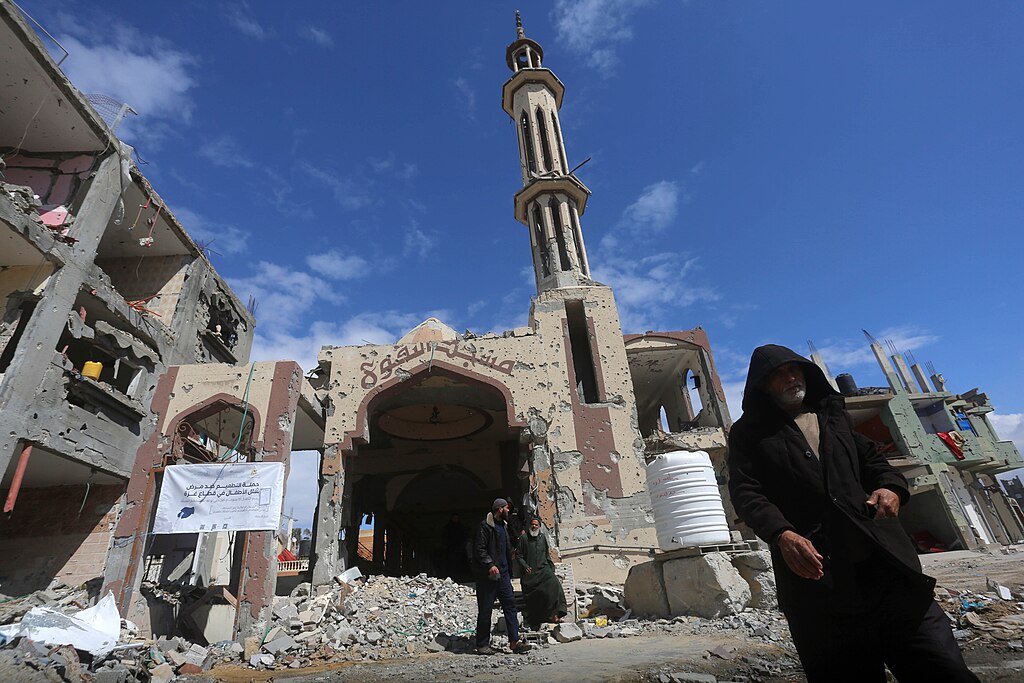
Amid the destruction caused by war, three women in Gaza are working to sustain livelihoods for their families. On October 11, 2026, UN News told the stories of Nidaa, Hanaa, and Hanin, who have taken different paths through livestock farming, dairy production, and carpentry training. Their stories illustrate the struggle to preserve what remains of existing businesses while creating new opportunities.
Keeping a livestock business alive
Nidaa, 35, runs a business raising and selling chickens, ducks, and rabbits in Khan Younis, southern Gaza. She has enjoyed the work since childhood and learned it from her mother. Although trained as a teacher, Nidaa chose livestock farming as a way to support her family, including her two brothers with disabilities.
When her home was destroyed and she was displaced during the war, Nidaa managed to save some of her animals and take them to Khan Younis. She recalls losing much of her livestock during the famine because feed prices became extremely high. She now continues to face challenges involving shelter ahead of winter, access to safe water, and limited feed supplies.
Through a partnership between the United Nations Development Programme, or UNDP, and the local chamber of commerce, Nidaa received a grant to purchase animals and equipment. She also took part in training to strengthen her production skills. Nidaa hopes to expand her business and encourage other women to pursue livestock farming.
Restarting the family business
In Gaza City, Hanaa, 49, started a dairy products business with her husband in 2021. During the war, she lost her husband, one of her sons, and the business. Hanaa then had to support her three surviving children while caring for five children who had lost both parents.
Encouraged by her eldest son, Fouad, Hanaa decided to restart the business despite limited resources and severe shortages of milk and other raw materials. According to Hanaa, the people who depend on her are also a reason for her to find strength and persevere through the many difficulties.
The destruction of Gaza’s electricity system poses a major challenge to dairy production. Power disruptions can spoil products and cause losses when resources are already scarce. With grant support, Hanaa resumed producing cheese, milk, labneh, and laban. She hopes to develop the business into a larger production facility and a more stable source of income for her family.
Carpentry opens a new path
Hanin, 36, chose to learn woodworking. From southern Khan Younis, she traveled to Deir al-Balah to complete 80 hours of vocational training, followed by entrepreneurship training and the development of a business plan.
Hanin considers the skill unusual, particularly for women, but increasingly necessary. Wood supplies for furniture are limited, while many people lost their furnishings during the war. For her, the course is more than training; it is a path toward earning an income and potentially building her own business.
More than 200 participants will receive skills development in carpentry, textiles, recycling, compost production, data science, graphic design, and digital marketing. The program demonstrates that livelihood opportunities depend not only on restoring old businesses but also on developing new skills.
Recovery requires support systems
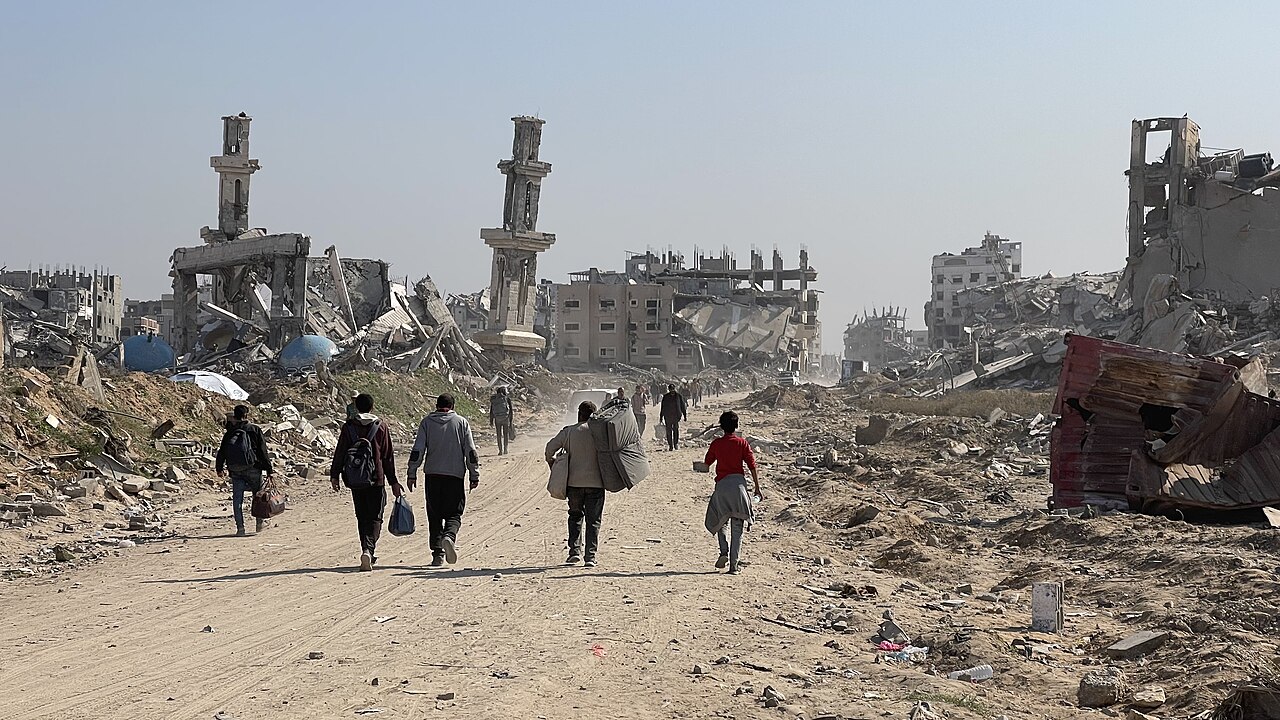
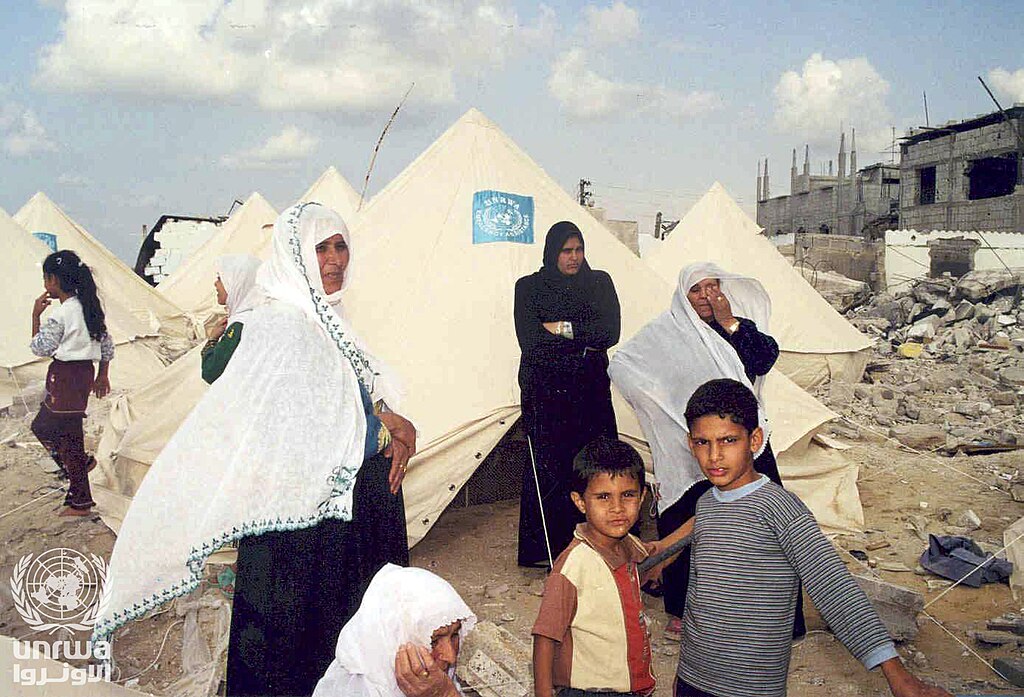
Destruction over the past three years has severely reduced Gaza’s production capacity, disrupted markets, and sharply increased the cost of basic necessities, according to UN News. Nearly two million Palestinians have also experienced repeated displacement since the war began. Under these conditions, running a business means facing uncertainty at nearly every stage.
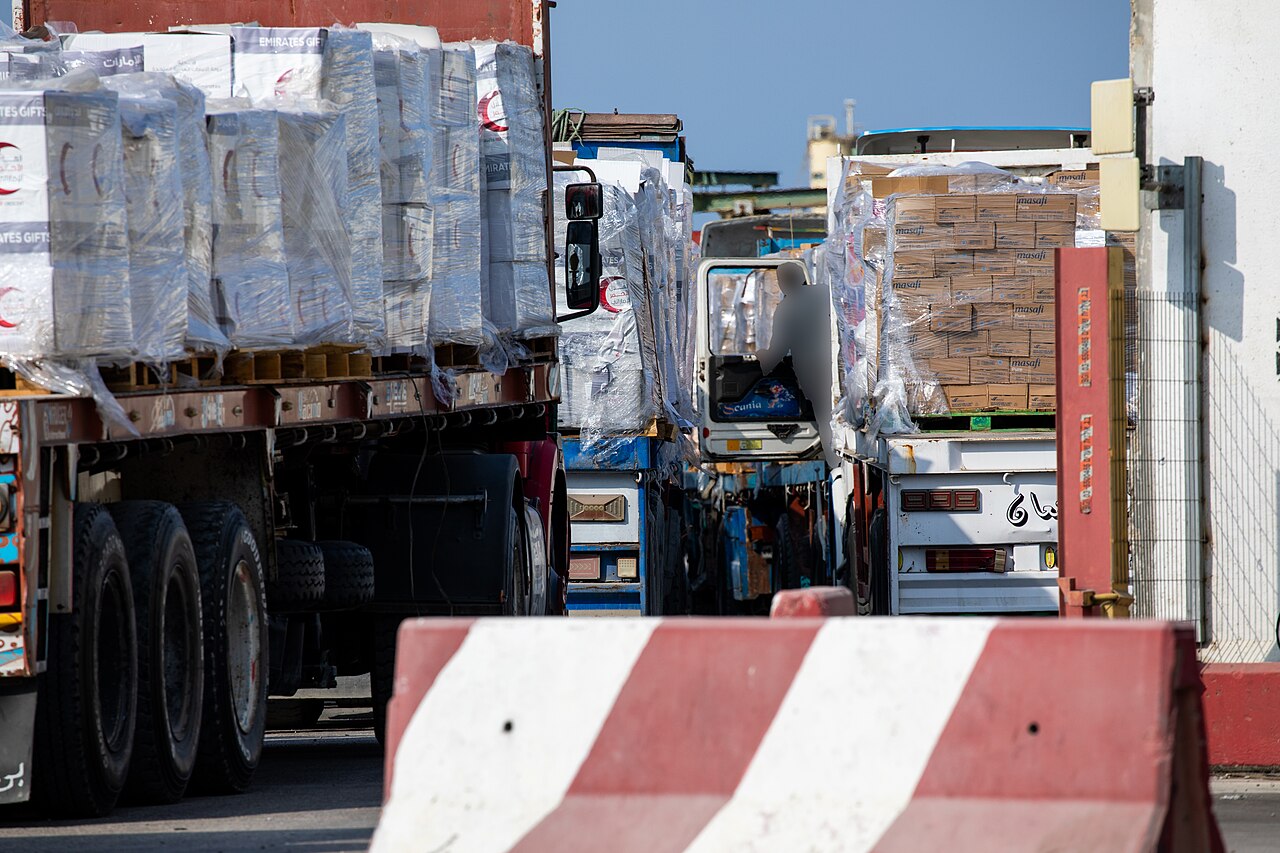
UNDP says that capital and skills are important for women entrepreneurs, but business sustainability also depends on a supportive environment. Reliable energy and water, functioning markets, and access to equipment and materials are necessary for businesses to survive and grow.
According to UNDP, supporting women-led businesses is not only about individual income. Such efforts also help preserve local production capacity, generate revenue, and keep economic activity within Palestinian communities as a foundation for locally driven recovery.