News and context with references. Check the publication date and source dates.
The United Nations Human Rights Office, or OHCHR, has warned that the displacement crisis in the Gaza Strip is deepening. According to a UN News report on October 30, 2026, Israeli forces continue to push Palestinians into an increasingly confined area, while civilian infrastructure is destroyed and displacement sites are attacked. The situation has also raised concerns about ethnic cleansing.
Displacement areas continue to shrink
OHCHR said Israel has stated its intention to expand the area of its military deployment to cover 70 percent of Gaza. The continuous reduction in available space has reportedly caused new displacement in areas adjacent to the demarcation line known as the “yellow line.”
Over the past two weeks, OHCHR documented the westward expansion of Israel's military deployment area in Al Shujaiyeh, Gaza City. Similar expansion was also recorded in three locations in Central Gaza: eastern Al Bureij, eastern Deir Al-Balah, and eastern Al Maghazi.
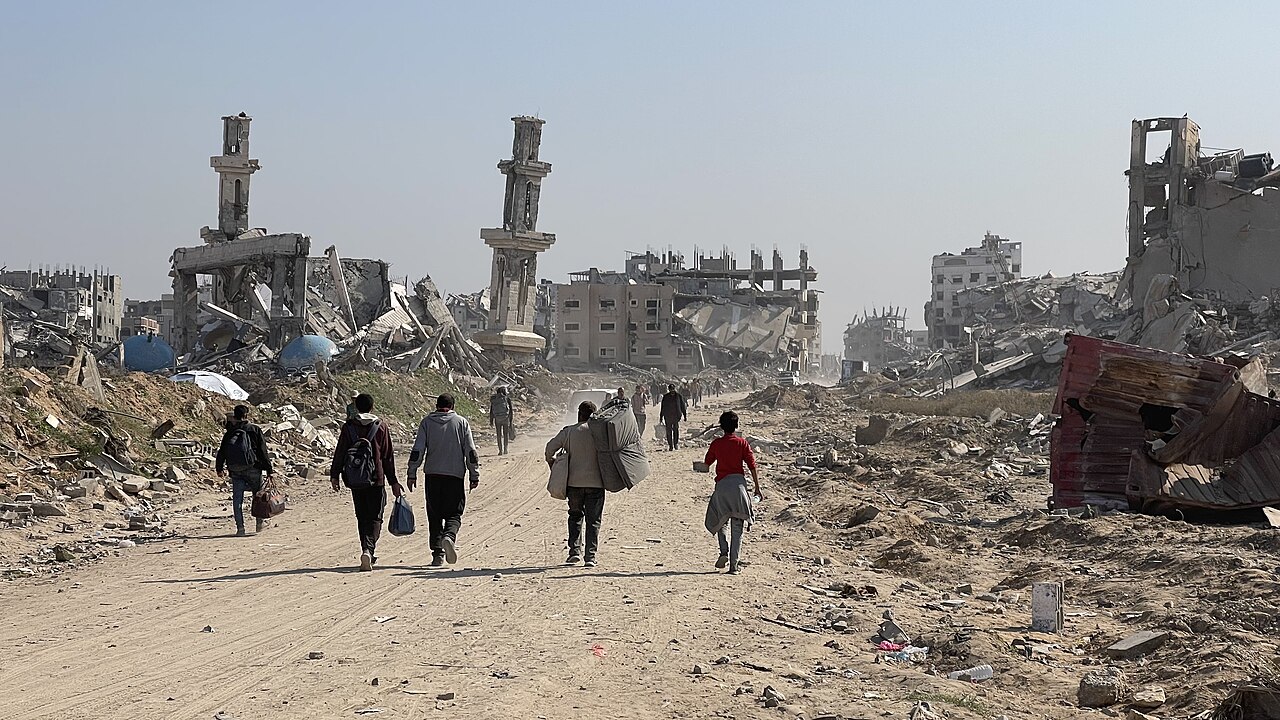
Ajith Sunghay, head of the UN Human Rights Office in the Occupied Palestinian Territory, described displacement in Gaza as both an acute and a chronic issue. He said people who were displaced before the ceasefire announcement have almost no prospect of returning because many of the areas they left are behind the yellow line and inaccessible. As a result, they continue to face repeated displacement.
Hundreds of families lose shelter again
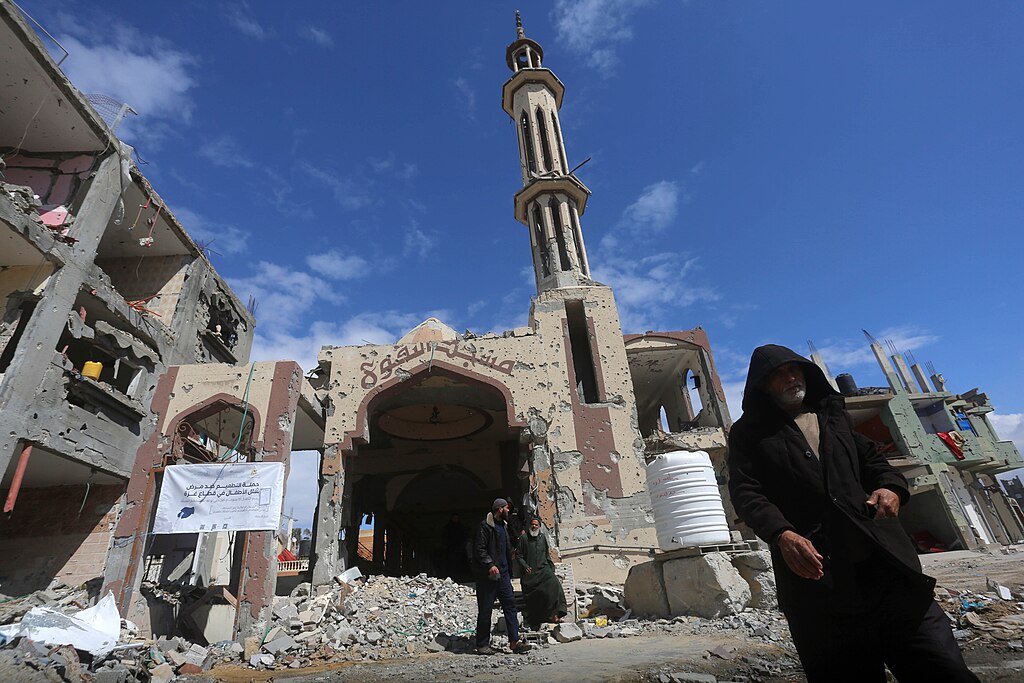
In Al Shujaiyeh, at least two Israeli attacks were reported at displacement camps. Israeli forces were also reported to have used explosive robots to demolish the few buildings still standing in the area.
OHCHR received reports that on October 25, an Israeli drone dropped munitions on tents occupied by displaced families at the Al Shujaiyeh intersection, near the yellow line. The fire caused by the attack reportedly burned for five hours.
According to the Palestinian Ministry of Public Works and Housing, the incident displaced 200 families comprising 800 people once again. Most of them were women, children, and older people.
Obligation to protect civilians
OHCHR stressed that, as the occupying power, Israel must end the forcible transfer of Palestinians within the Gaza Strip. The UN Human Rights Office said forcible transfer is a war crime that may also constitute a crime against humanity.
Israel was also said to be obligated to facilitate the safe and dignified return of Palestinians to the homes and areas they had left. However, according to OHCHR, Israeli military operations have repeatedly displaced nearly Gaza's entire population while damaging and destroying buildings, structures, and civilian infrastructure.
OHCHR assessed that Israeli forces appear to be treating the yellow line as a lethal zone, preventing Palestinians from returning to what remains of their homes on the other side of the line. That assessment and those allegations were statements by OHCHR, as reported by UN News.
Winter worsens conditions
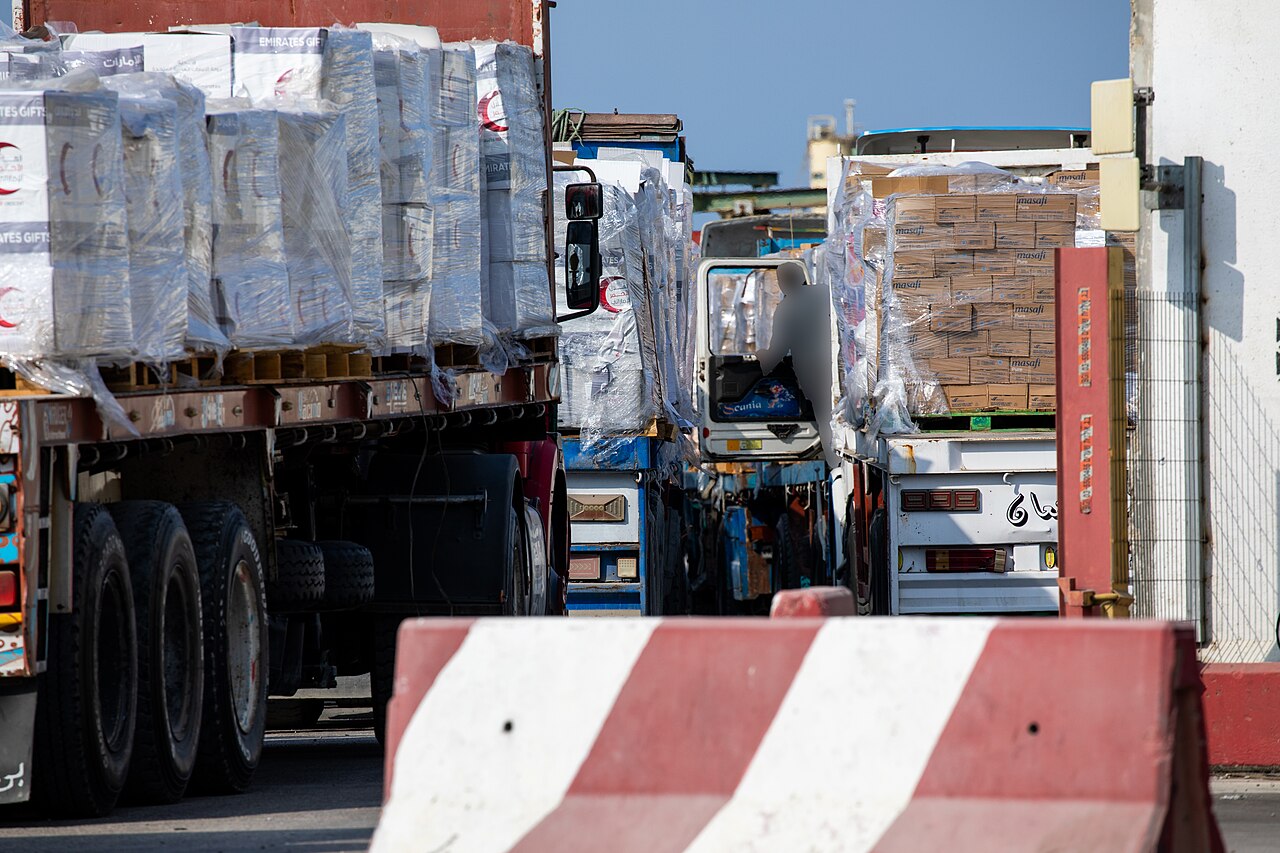
The displacement crisis has also been worsened by Israeli restrictions on the entry of shelter-related humanitarian aid. This has increased the vulnerability of families forced to remain in tents while facing rain and winter weather.
Sunghay said the suffering must end. He noted that, for most Palestinians in Gaza, this is their fourth year of displacement and their fourth winter in tents too fragile to withstand the rain. Under these conditions, they continue to face attacks and threats to their safety. He called for this period of displacement to be their last.