News and context with references. Check the publication date and source dates.
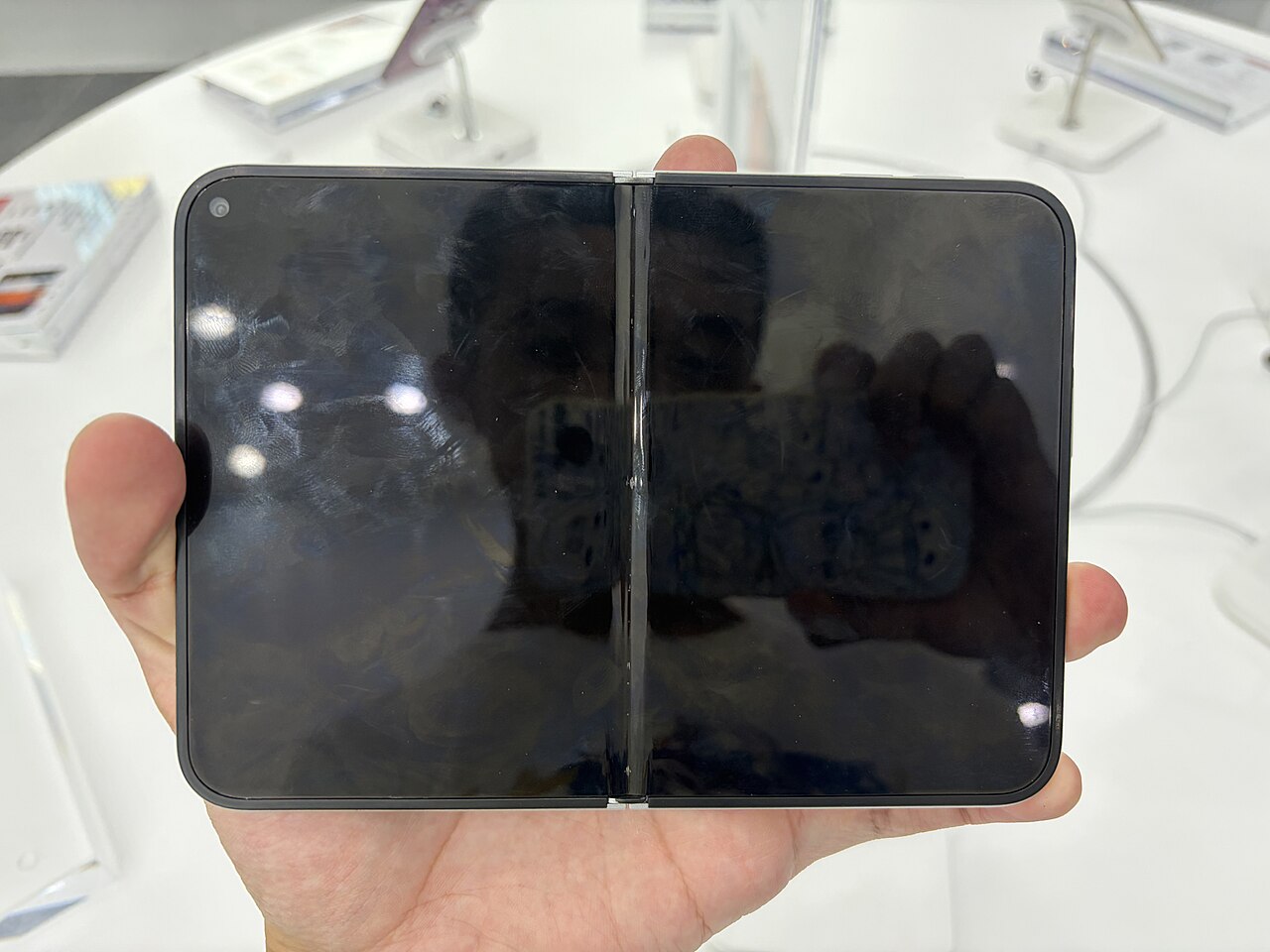
Hinge durability and changes to the display surface are key concerns for foldable phones. As reported by detikinet on October 24, 2026, the iPhone Duo underwent two independent tests using machines that repeatedly opened and closed the device. Its hinge continued to work well, but the display crease showed noticeable changes.
Tested at room temperature and in a freezer
YouTuber Tim Pan mounted the iPhone Duo on a machine capable of opening and closing the device automatically. The first test involved 10,500 folds at room temperature to assess the durability of the hinge mechanism under repeated use.
The test then continued with 1,000 cycles inside a freezer at minus 20 degrees Celsius. After this series of tests, the iPhone Duo’s titanium hinge reportedly continued to function well and could still be opened and closed smoothly.
The iPhone Duo uses a three-dimensionally printed titanium hinge. Its main display has a nano-texture coating that is said to reduce light reflections while minimizing the appearance of the crease in the center of the screen.
Display crease becomes more pronounced
Although the hinge mechanism continued to work, Pan found changes in the center of the display. After the device was folded repeatedly, the crease appeared much deeper than it had before testing.
The crease not only became more visually apparent but was also more noticeable to the touch. This finding highlights the difference between the hinge’s functional durability and the physical changes occurring on the display surface during repeated opening and closing.
Therefore, the test results are not determined solely by the hinge’s ability to keep moving. The condition of the display crease is also an aspect that requires attention because it can affect both the appearance and the experience of touching the center of the panel.
Hinge surpasses 32,000 cycles
A separate test was conducted by journalist and reviewer Joanna Stern using a specialized machine called Hingy. The machine automatically opened and closed the iPhone Duo more than 32,000 times over four days.
According to Stern, the device’s hinge mechanism remained as sturdy as it was on the first day. This result aligns with Pan’s observations regarding hinge functionality, although Pan’s test also showed that the display crease became deeper and more pronounced.
Apple has not shared the results of its iPhone Duo hinge testing or disclosed a fold rating for the device’s lifespan as Samsung has. As a result, current assessments of its durability come from independent tests conducted by reviewers.
Notes on NFC, audio, and temperature
In addition to hinge and display durability, Pan found several usage characteristics that early adopters should consider. The NFC antenna is available on only one side of the device, making tap-to-pay transactions less convenient when the iPhone Duo is open.
The earpiece is also positioned only above the external display. When the device is opened during a call, the audio automatically switches to speaker mode.
Pan also observed that the iPhone Duo’s surface temperature increased by around 3.6 degrees Celsius when the device performed demanding tasks while open. In addition, opening or closing the phone very slowly could cause the interface orientation to shift to the wrong position.