News and context with references. Check the publication date and source dates.
The terms ceasefire and peace agreement often appear together, but they do not always mean the same thing. In general, a ceasefire focuses on controlling armed violence. A peace agreement usually has a broader political, security, legal, and social scope. Their forms and names can vary with the context, so the contents of a document matter more than its label.
What does a ceasefire regulate?
UN mediation guidance explains that there is no single universally accepted definition of a ceasefire. The parties determine its scope through negotiations. Such agreements generally specify when a halt to fighting takes effect, the areas covered, prohibited or permitted military actions, communication channels, and ways of addressing alleged violations.
A ceasefire may be temporary, local, humanitarian, preliminary, or more permanent. A preliminary agreement may aim to reduce violence and create space for political talks. In other circumstances, a halt to fighting can form part of a more comprehensive settlement. The word ‘ceasefire’ alone therefore does not establish its duration, legal force, or likelihood of success.
Implementation also requires detail. The parties may agree on separating forces, prohibiting certain movements, protecting civilians, humanitarian access, and monitoring and verification mechanisms. These mechanisms help clarify the facts when allegations of violations arise and make the parties' actions more predictable. However, stopping gunfire does not automatically resolve the political reasons that triggered a war.
What does a peace agreement address?
UN mediation guidance describes mediation outcomes as a spectrum: some agreements are limited to particular issues, while comprehensive peace agreements address many questions. A peace agreement aims to provide a foundation for ending violence and establishing sustainable peace, justice, security, and reconciliation.
Its provisions may cover governance, power sharing, security institution reform, the disarmament or integration of armed groups, refugee returns, human rights, transitional justice, resource management, elections, and dispute resolution. Not every agreement contains all of these elements. Priorities depend on the roots of the conflict, the needs of affected communities, and the parties' willingness to implement the negotiated outcome.
Signing is not the end of the process. Provisions must be translated into timetables, institutions, funding, monitoring, and procedures for addressing differences in interpretation. Public support and the involvement of affected groups can strengthen legitimacy. Conversely, a document that fails to address central grievances or lacks implementation mechanisms may struggle to bring about real change.
How the two are related
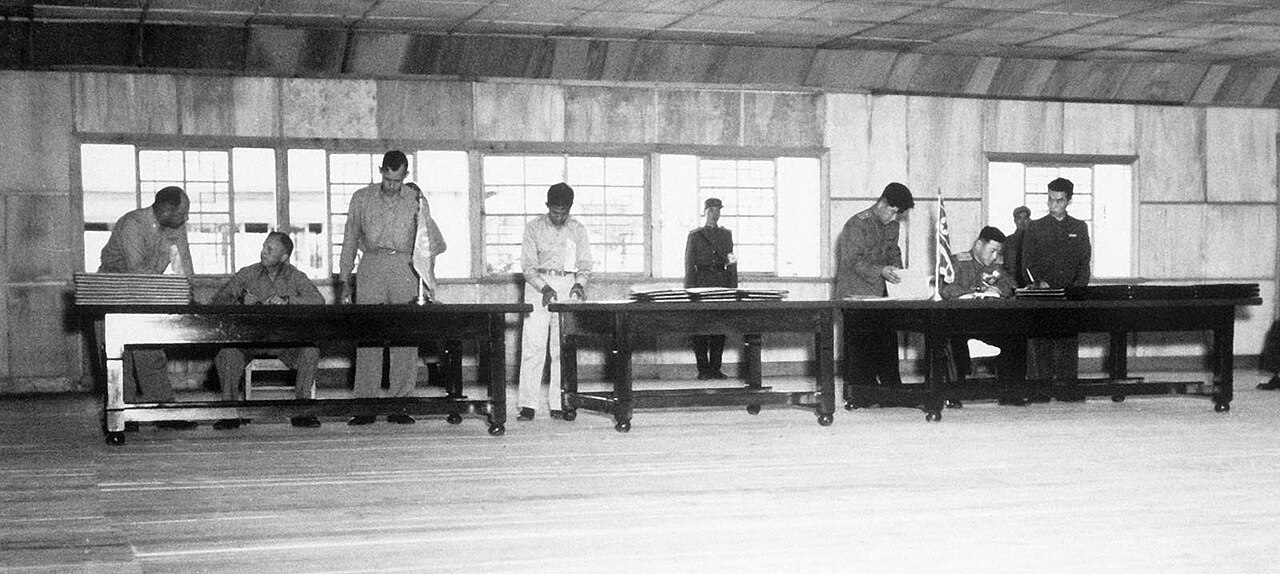
A ceasefire can precede a peace agreement, run alongside negotiations, or form part of a final agreement. The sequence is not always the same, however. Some political processes proceed without a comprehensive ceasefire, and some halts to fighting do not develop into lasting peace.
The safest way to read an announcement is to examine its provisions and mechanisms: who is bound by it, which actions stop, how long it lasts, who monitors it, how civilians are protected, and whether there is a political path towards addressing the roots of the conflict. This helps readers avoid equating a pause in violence with a comprehensive settlement.