News and context with references. Check the publication date and source dates.
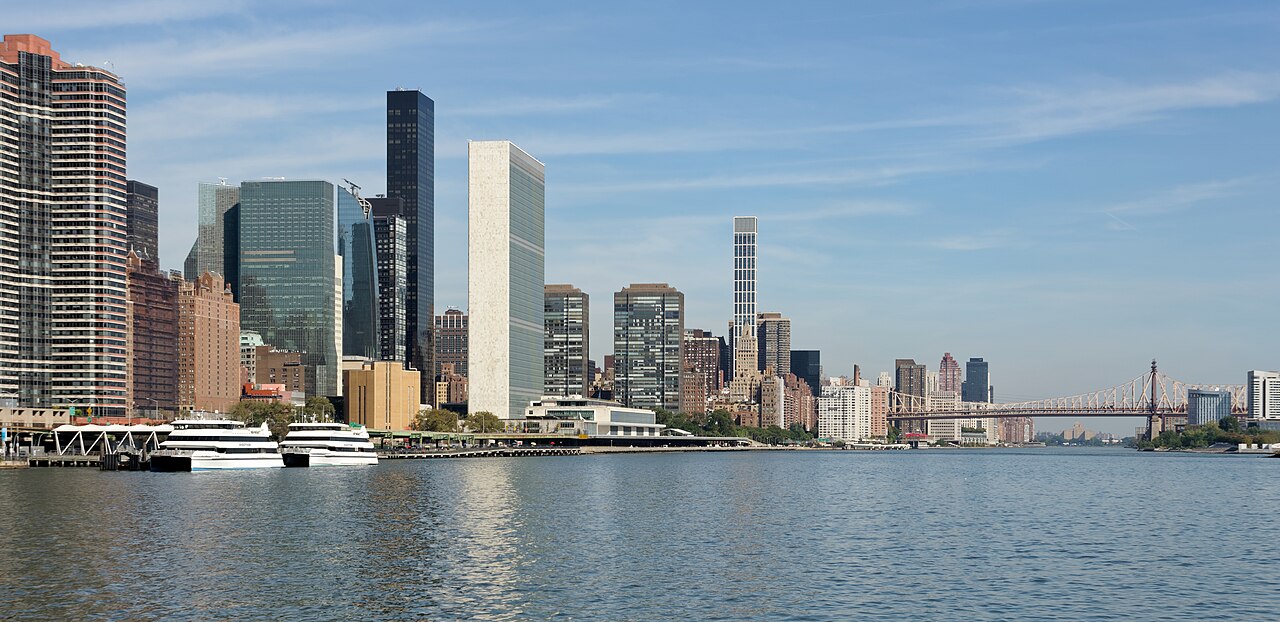
United Nations Secretary-General António Guterres warned that spreading wars and economic inequality are reinforcing each other, with effects felt far beyond combat zones. According to UN News on Thursday, October 22, 2026, he made the remarks to reporters in New York ahead of his visit to Egypt. Guterres urged the international community to address inequality and prevent conflicts from expanding in order to make the world safer.
Unrest amid rising living costs
Guterres highlighted growing public discontent in Europe and other regions. People have taken to the streets to express frustration over rising prices for food, fuel, and other basic necessities. Higher interest rates are also placing a burden on individuals and countries, while younger generations are finding it increasingly difficult to see hope for a better future.
He unequivocally condemned the violence and destruction that occurred during protests in France, Italy, and elsewhere. He said those who commit criminal acts must be held accountable. However, he stressed that legitimate grievances expressed by peaceful protesters must not be ignored.
Guterres urged the world to connect this unrest with broader international turmoil. His view frames street protests not as an isolated issue, but as one symptom of economic and social pressures that are also being worsened by global conflicts.
The impact of war extends beyond the battlefield
The UN chief described the current situation as an “El Niño of war.” The analogy refers to how conflict in one region can cause widespread disruption and affect the lives of people thousands of kilometers from the center of the crisis. He warned that conflicts are not only intensifying, but also spreading and triggering other conflicts.
Guterres pointed to the situations in the Middle East, Ukraine, and Sudan. Across these regions, civilians and civilian infrastructure such as homes, hospitals, schools, airports, power plants, and energy facilities are under attack. The effects then spread through disruptions to energy markets, shipping, supply chains, and financial systems.
These shocks are striking a world already marked by deep inequality. Some people can still absorb higher prices, while others must choose between buying food and meeting their heating needs. Similarly, some countries can obtain cheaper loans to protect their populations, while others must choose between repaying debt and funding health care, education, and the future.
Call to de-escalate conflict in the Middle East
Guterres said the answer to the crisis is not an ever-widening cycle of confrontation, including in the Middle East. He expressed concern over escalation around Taiz and other parts of Yemen, as well as continued Houthi attacks on civilian targets in Saudi Arabia. He said the violence is worsening civilian suffering, regional tensions, displacement, and humanitarian needs. He called for restraint and political dialogue.
Regarding the Occupied Palestinian Territory, Guterres said Israel continues to severely restrict essential aid ahead of winter. He also cited difficulties in implementing the Comprehensive Plan to End the Gaza Conflict endorsed by the UN Security Council. In the occupied West Bank, Palestinians continue to face daily attacks by Israeli settlers, while journalists and diplomats have also been attacked.
Guterres urged donor countries to increase their contributions to the UN World Food Programme. The agency needs 450 million dollars for operations in Gaza and the West Bank over the following six months. He reiterated the need for a two-state solution for Israel and Palestine.
Diplomacy and civilian protection
During his visit to Egypt, Guterres said his message would focus on efforts to halt the spread of war, protect civilians, and create political space for diplomacy and peace. This approach is considered important because conflict drains development resources while also driving up prices and humanitarian needs.
He concluded his remarks by emphasizing that people everywhere want security, dignity, and governments and international institutions capable of delivering results. To meet those demands, the world must address the inequality dividing societies while also ending the conflicts that multiply human suffering.