News and context with references. Check the publication date and source dates.
The latest development reported by the UN from Sudan is not the announcement of a ceasefire, but an intensification of diplomatic efforts. On 8 September 2026, the UN Secretary-General's Personal Envoy for Sudan, Pekka Haavisto, joined Quintet partners in Khartoum to hear Sudanese stakeholders' assessments and discuss an inclusive political track. The UN described the meetings as a good-offices mission, not evidence that a peace agreement had been reached.
What happened on 8 September?
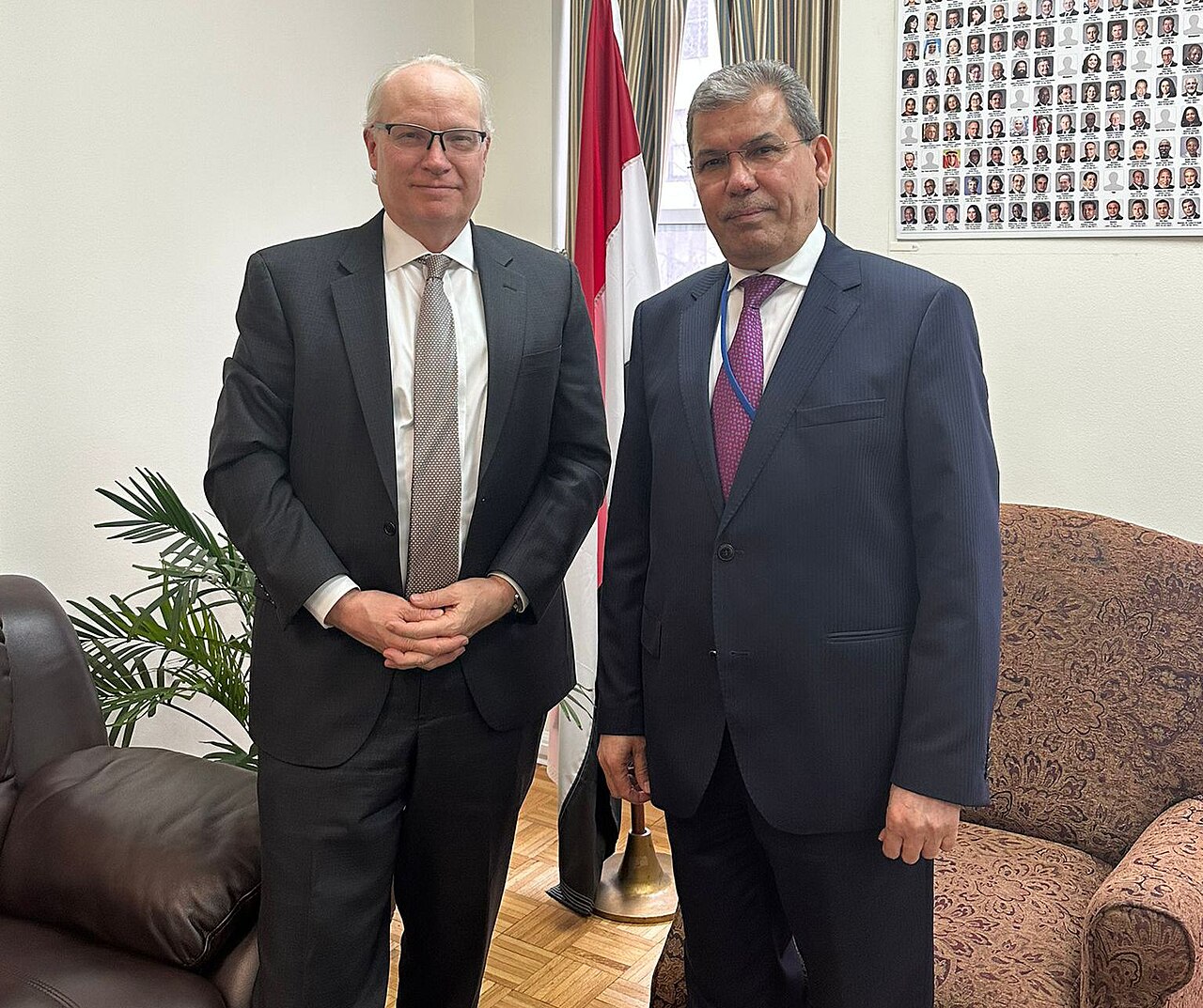
According to the briefing by the Spokesperson for the UN Secretary-General on 8 September, Haavisto and envoys from the African Union, the Intergovernmental Authority on Development (IGAD), the League of Arab States, the European Union, and the UN met in Khartoum. They first met at the Ministry of Foreign Affairs and were then scheduled to hold talks with UN agencies, political groups, and civilian forces.
The UN described the mission's purpose as listening to Sudanese stakeholders' assessments of the political and security situation while exchanging views on efforts to advance an inclusive political track. Because the source reports only the series of meetings and their diplomatic aims, there is not yet a basis for saying that the mission produced a breakthrough or a new binding commitment.
Why is the earlier context important?
The UN briefing on 4 September said that Haavisto arrived in Khartoum that day and would meet stakeholders to discuss the de-escalation of violence and the protection of civilians. The UN also said that he had spoken by telephone with General Mohamed Hamdan Dagalo, known as Hemedti and identified as the commander of the Rapid Support Forces, about the same issues.
The 4 September briefing also explained that Haavisto was scheduled to join the Quintet on 8 September to discuss initiatives and proposals for intra-Sudanese dialogue. The 8 September report was therefore a further development in an agenda announced earlier, not a report that the violence had ended.
What can and cannot be concluded?
The UN said that Haavisto emphasized practical measures for de-escalation and civilian protection, including the release and exchange of detainees, and called for an inclusive political process. The UN also reiterated its view that a negotiated settlement is the path towards a comprehensive ceasefire and a sustainable resolution.
These statements represent the UN's position and diplomatic reporting, not independent verification that all parties accept the same proposals or that violations have stopped. From the two briefings reviewed, what can be confirmed is the existence of the mission and its diplomatic agenda; the final outcome of negotiations, changes on the front lines, and the direct impact on civilian safety still require separate reporting and verification.