News and context with references. Check the publication date and source dates.
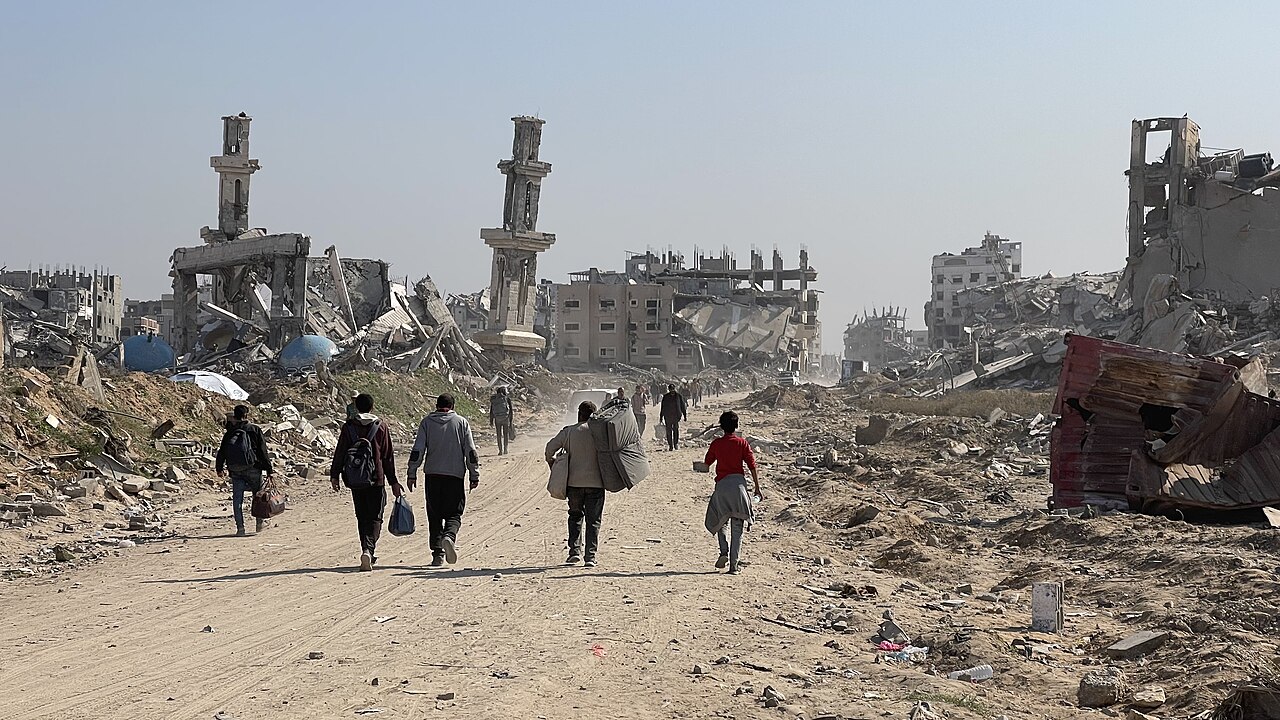
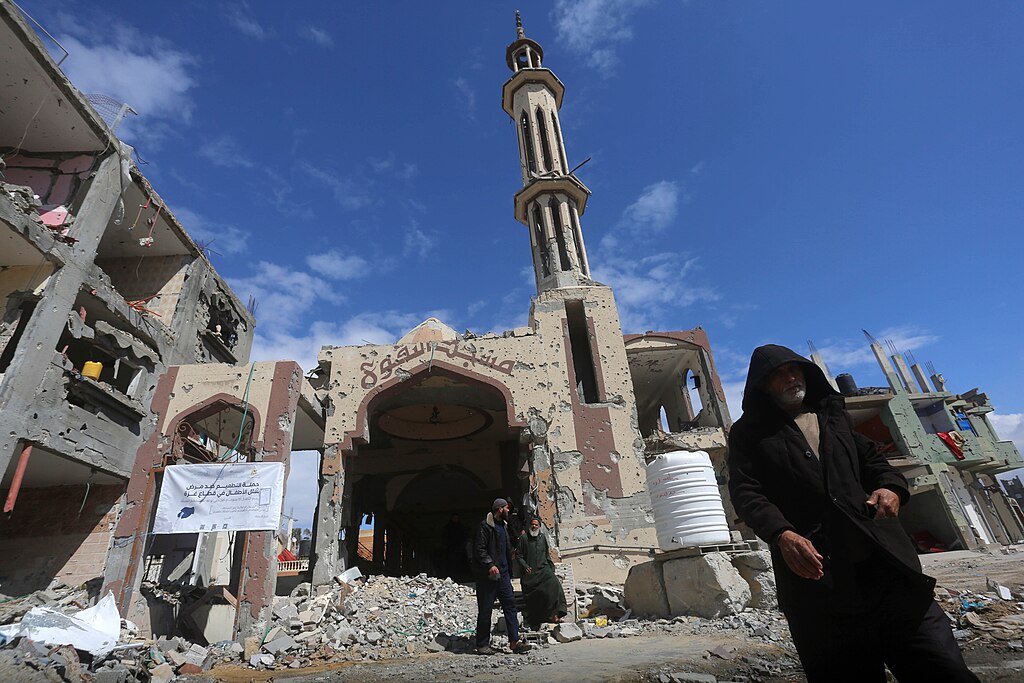
Gunfire struck and damaged several tents at a displacement site in northern Rafah, Gaza, on Tuesday, according to the UN Office for the Coordination of Humanitarian Affairs (OCHA). The incident reportedly caused injuries and forced a humanitarian partner organization to leave the area. In a report published on November 4, 2026, UN News said the organization had been carrying out flood-control work ahead of the rainy season.
Security incidents near aid operations
In an update on Wednesday, OCHA also reported small-arms fire near a UN-contracted facility in Deir al Balah and in the vicinity of a UN-organized convoy in Rafah. Both incidents occurred on the same day as the incident at the displacement site. No injuries to UN staff or damage were reported in either incident.
The series of incidents came amid reports of continuing attacks hitting populated areas and causing civilian casualties across the Gaza Strip. The UN Secretary-General's spokesperson, Stephane Dujarric, stressed that civilians, including humanitarian workers, must be protected at all times. He also called for civilian objects, including humanitarian facilities and vehicles, not to be targeted.
Aid for families who lost their shelter
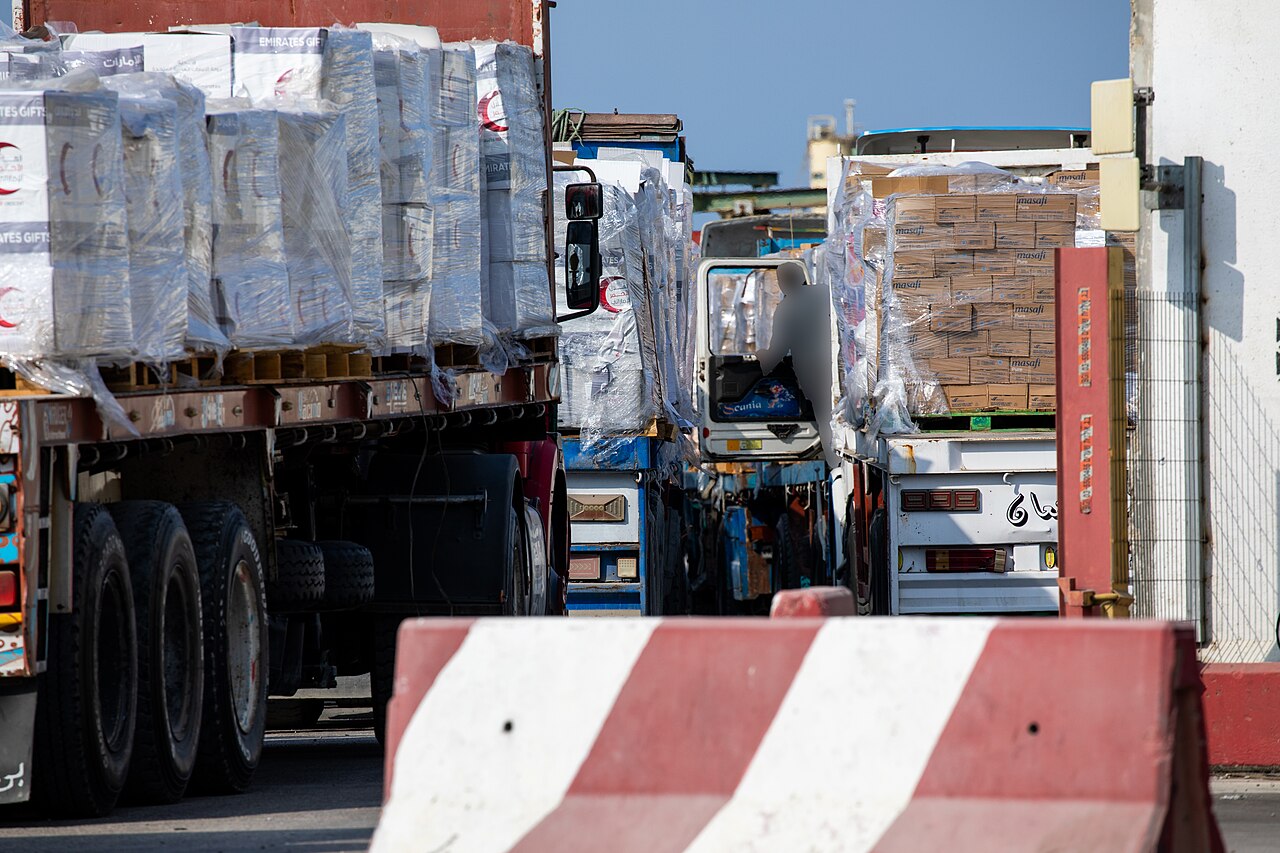
Despite the difficult security situation, aid operations continued. According to UN News, during the last week of October, the UN and its partners assisted more than 70 households that had lost their temporary shelters and belongings. Those losses occurred in various incidents, ranging from airstrikes to household fires.
Assistance for families who had lost their shelter took place during the same period as child protection services. Meanwhile, the incident in northern Rafah disrupted flood-control work: the partner organization carrying it out had to leave the area after gunfire struck tents sheltering displaced people.
Psychosocial support and child protection
During the last week of October, child protection partners reached nearly 4,500 boys and girls and more than 2,000 caregivers with mental health and psychosocial support. They also identified nearly 200 children who required assistance tailored to their individual needs.
Among the children identified, 20 were unaccompanied or separated from their families, while 17 others were injured. Follow-up support continued for more than 2,000 children previously identified as needing these services. Partners also provided vouchers for autumn clothing to more than 1,000 children without parental care.
Olive harvest in the West Bank also faces obstacles
In the West Bank, OCHA reported that the olive harvest continued to be disrupted by Israeli settler violence and restrictions on Palestinians' access to their groves. Food security partners had provided harvesting tools and machinery in nearly 80 percent of all identified hotspots.
Protection partners also supported volunteer harvesting activities and provided a protective presence for Palestinian farmers. However, according to OCHA, assistance in most locations could reach only a limited number of olive pickers. Funding shortages, violence and Israeli restrictions were cited as obstacles.