News and context with references. Check the publication date and source dates.
Residents of the Gaza Strip are once again preparing for winter while living in unsafe shelters. According to a UN News report published on October 17, 2026, rain has begun to fall while many families remain in damaged tents or buildings at risk of collapse. Limited aid has forced some residents to use whatever materials are available to reduce the risk of flooding.
Flour sacks used to hold back water
Ahmed Al-Omari and several young men are filling used World Food Programme flour sacks with sand. The sacks are then arranged as barriers to prevent rainwater from entering their emergency shelters. He told UN News that sacks once used to carry food now serve another purpose as protection against flooding.
The effort illustrates the constraints residents face. According to Al-Omari, the area where they live floods every year. They hope the rows of sandbags can at least reduce the amount of water entering when heavier rain falls.
Needs far exceed available aid
The International Organization for Migration estimates that around two million people in Gaza still require shelter assistance. Karl Baker, IOM’s regional crisis coordinator for Gaza, said humanitarian agencies are trying to bring in as many materials as possible before winter, but the amount of supplies is not expected to meet the population’s needs.
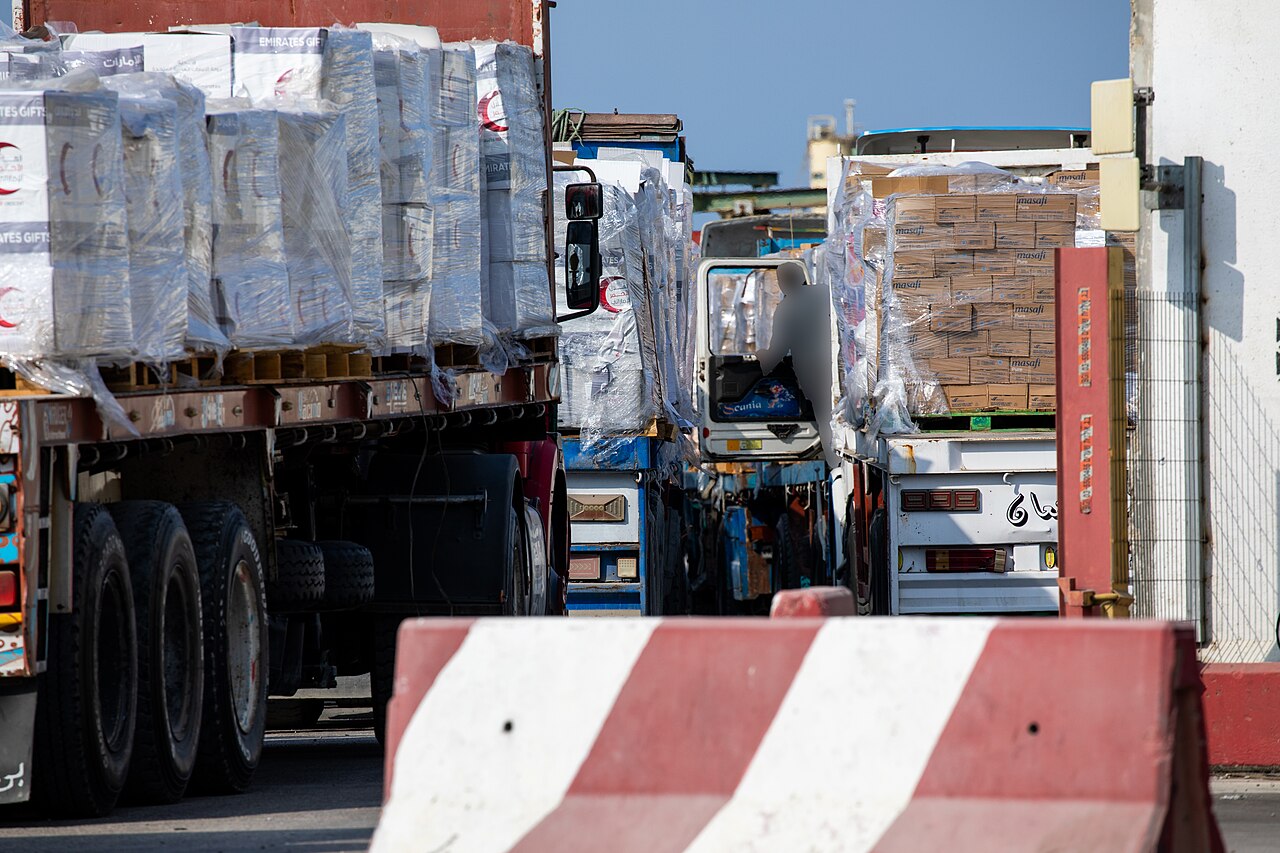
Baker said funding cuts since January had hampered preparations. Funding has begun to arrive, but he said it is still insufficient to support the approximately 1.8 million to 1.9 million people who need some form of shelter assistance. Regional conflict has also disrupted trade routes and delayed shipments from suppliers in China, India, and Pakistan through Jordan, Egypt, and Israel.
Fragile tents and dangerous buildings
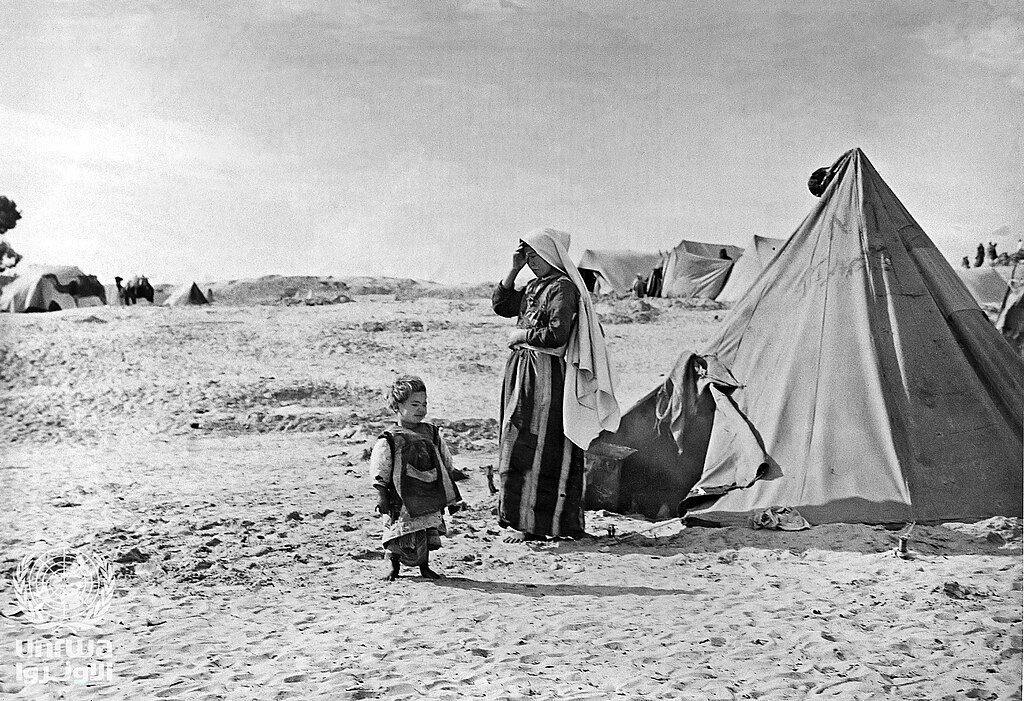
The quality of shelter is another concern. According to Baker, tents in Gaza generally last only about six months. Repeated displacement means tents are easily damaged or must be abandoned when families flee at short notice. In other emergencies, IOM can provide sturdier transitional shelters, including plywood materials and relief housing units.
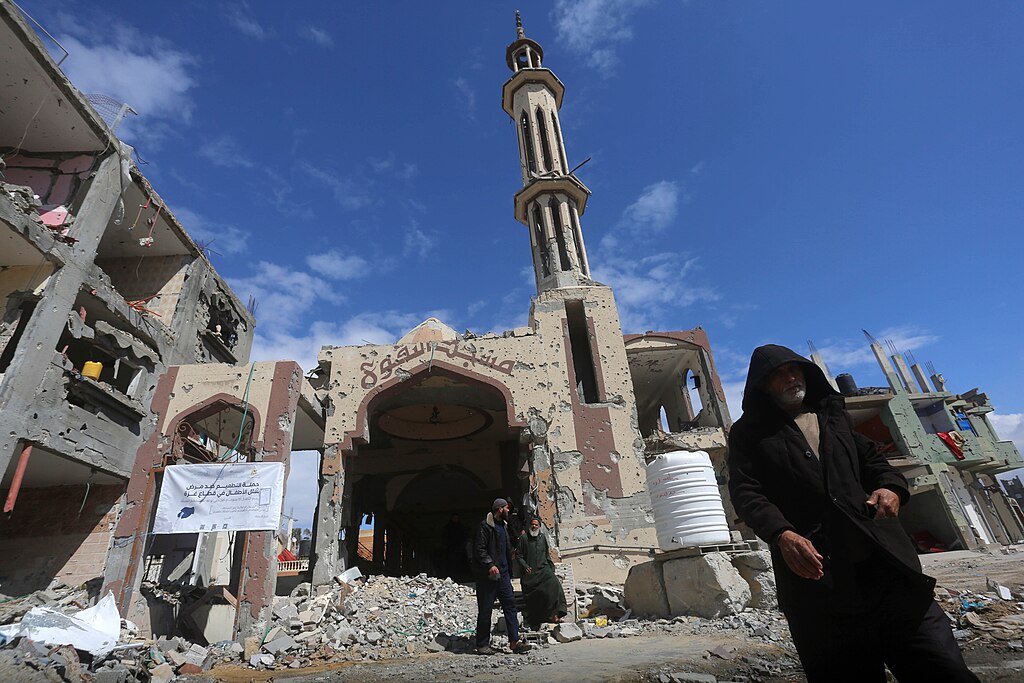
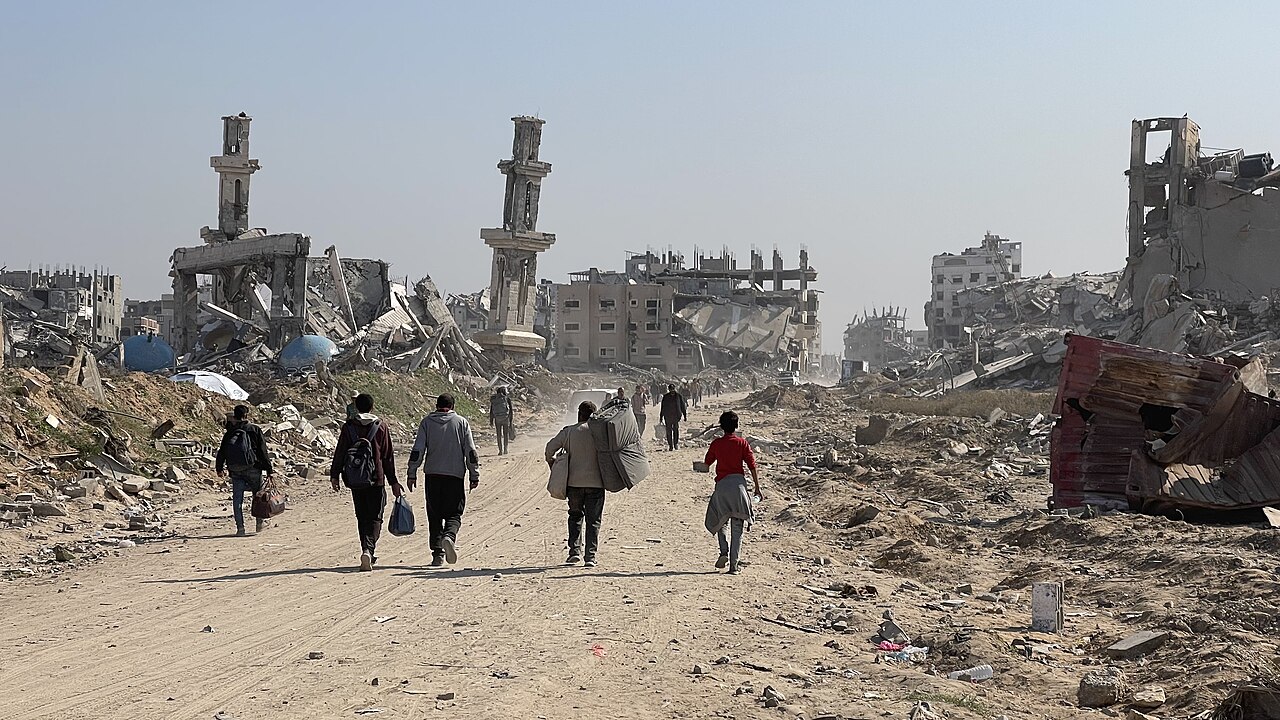
More than 4,000 buildings, many of them housing thousands of people, are reportedly at risk of collapse. In a briefing to the UN Security Council, Acting Special Coordinator for the Middle East Peace Process Ramiz Alakbarov said the UN was working with local communities to evacuate residents from unsafe buildings. However, the lack of alternatives means many people must once again seek shelter in tents.
Living space is also becoming increasingly limited. Baker said only about 30 percent of Gaza is now accessible to most of the population. Humanitarian assessments show that conditions at displacement sites continue to deteriorate, while many locations are vulnerable to flooding and few alternative sites are available.
Using materials from the rubble
In Khan Younis, southern Gaza, some families are salvaging materials from the rubble to reinforce their shelters. Mohammed Barhoum, who was displaced from Rafah, and his children are using metal rods from the debris to support their tent. The work is dangerous because it is carried out near unstable ruins and explosive remnants of war.
More durable shelter materials are also subject to Israel’s restrictions on dual-use goods, which have been in place since 2008. These goods include roofing sheets, cement for floors, and wall materials that provide greater resistance to wind. Baker said IOM has repeatedly communicated with Israeli authorities to negotiate the entry of these goods and continues to press for access to more durable materials.