News and context with references. Check the publication date and source dates.
The UN and partner organizations called on Friday, November 13, 2026, for winter supplies to be brought into the Gaza Strip more quickly after rainfall the previous weekend claimed lives. According to UN News, the appeal came as families faced damaged shelters and growing aid needs. The Humanitarian Country Team, or HCT, in the Occupied Palestinian Territory warned that people's safety depended on immediate action.
Rain damages shelters
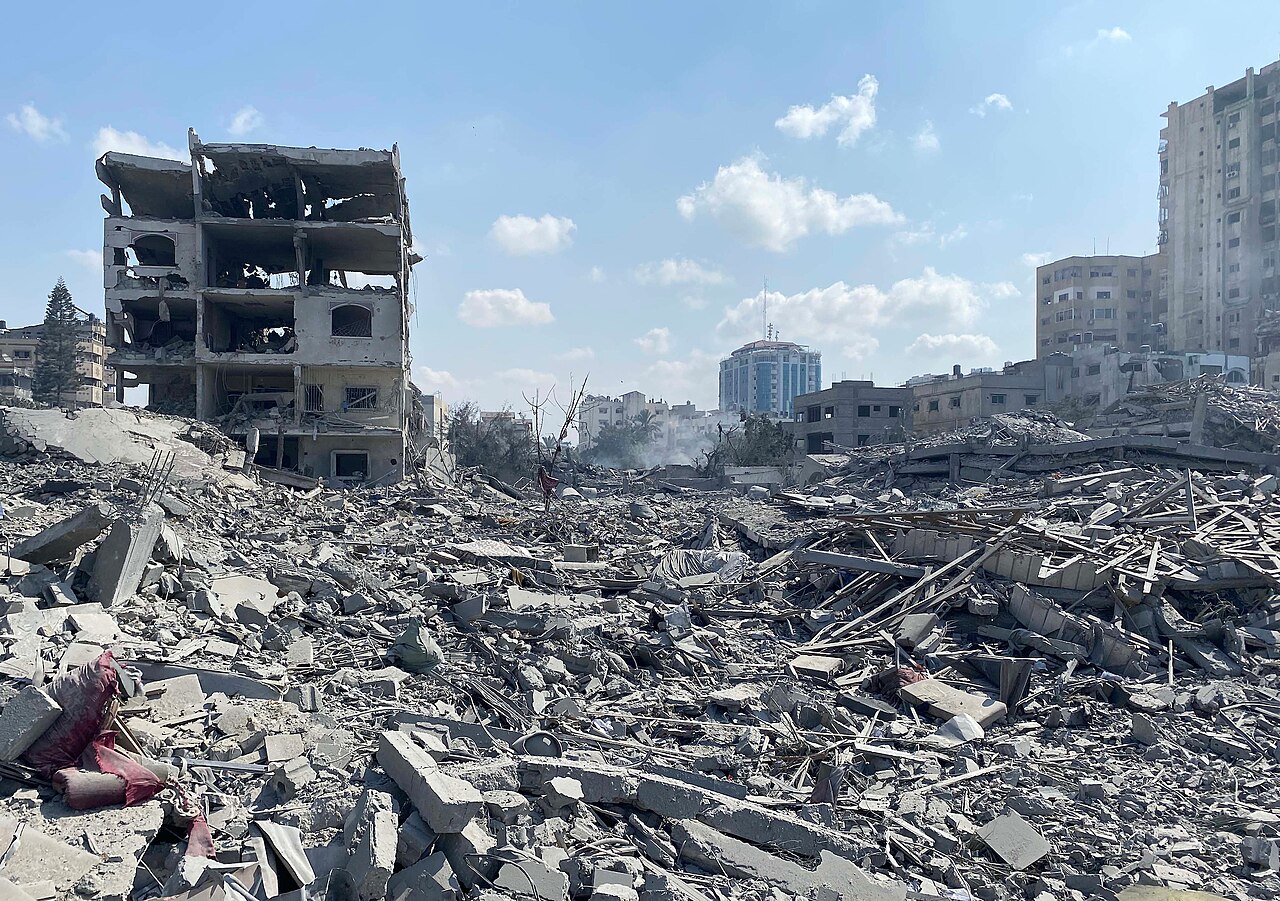
In its statement, the HCT said children and adults had died, essential services had been disrupted, and thousands of family shelters had been flooded, washed away, or torn apart. The team said the devastating effects of the latest rainstorm could have been prevented. In its assessment, the damage was not only a result of the storm but was also linked to policy decisions.
The HCT brings together the heads of UN agencies and international and local nongovernmental organizations. They warned that winter would continue for months. Every rainstorm that damages more tents increases the need for replacements, leaving needs inside Gaza growing while supplies are still waiting to enter.
A preparedness plan had been submitted
According to the HCT, it had submitted a plan several months earlier to help Palestinians cope with the current winter. The plan included providing shelter, improving health and protection services, addressing drainage, and reinforcing sites with sandbags. The team had also identified a range of supplies that needed to be brought into Gaza.
The list included tents, warm clothing, blankets, and equipment to pump water, remove rubble, and clear explosive devices. The plan also emphasized the need for adequate funding, faster entry of essential supplies, and access to higher ground. The needs outlined therefore extended beyond distributing supplies to include work to protect shelters and restore services.
Supplies held up outside Gaza
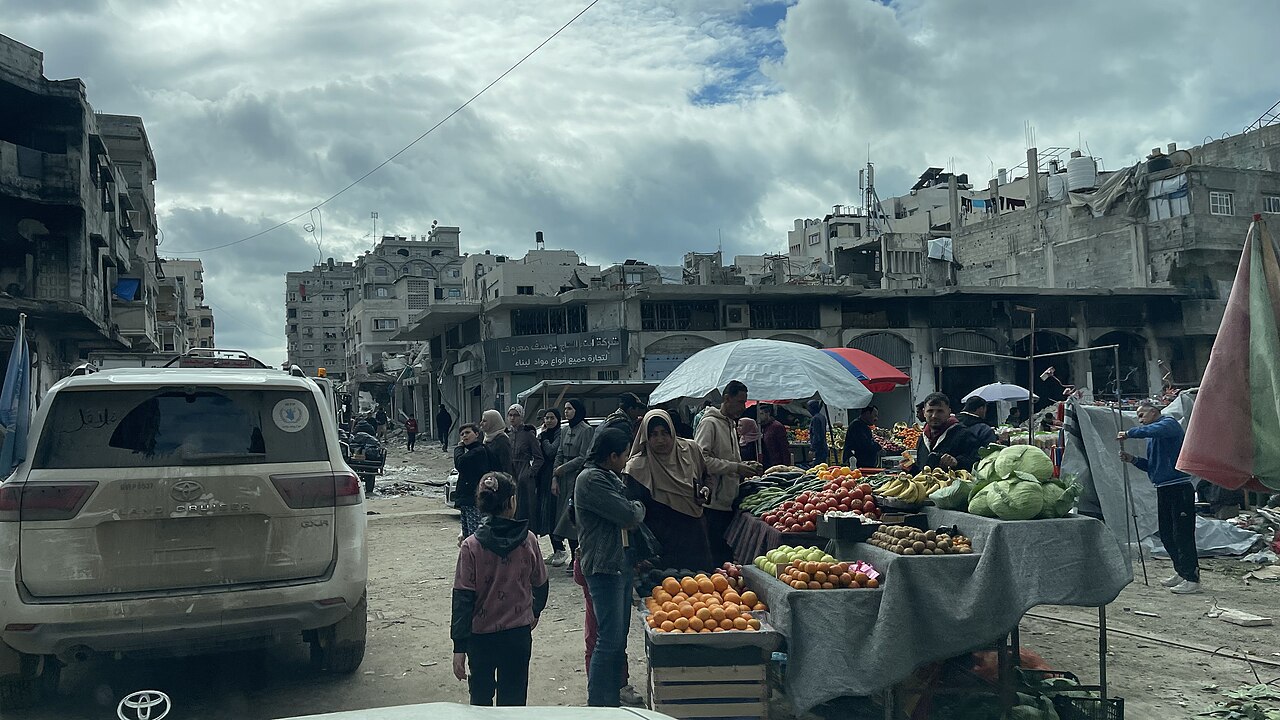
The HCT said more than 150,000 tents were outside Gaza awaiting shipment, even as funding remained far below what was needed. It said incoming supplies faced various approval requirements, limited crossing capacity, and unpredictable or narrow delivery windows. These obstacles were slowing the entry of aid.
In the same statement, the HCT stressed Israel's obligation as the occupying power to ensure that Gaza's population had its basic needs met, including supplies essential for survival. It said Israeli policies continued to obstruct the entry of essential goods and access to much of Gaza's land, including areas farther from the coastline that face a lower risk of flooding.
Appeals to Israel and member states
Humanitarian partners called on Israeli authorities to accelerate the entry of lifesaving supplies, lift restrictions, and allow repairs to water and wastewater networks. They also called for all humanitarian partners to be allowed to operate, including UN agencies, international organizations, and Palestinian nongovernmental organizations, and for meaningful commercial activity to be permitted.
They urged member states to use their influence to ensure these steps were taken immediately and humanitarian funding was provided without delay. The HCT emphasized that access to more durable shelter must not be made conditional on political progress when people's needs were so urgent.