News and context with references. Check the publication date and source dates.
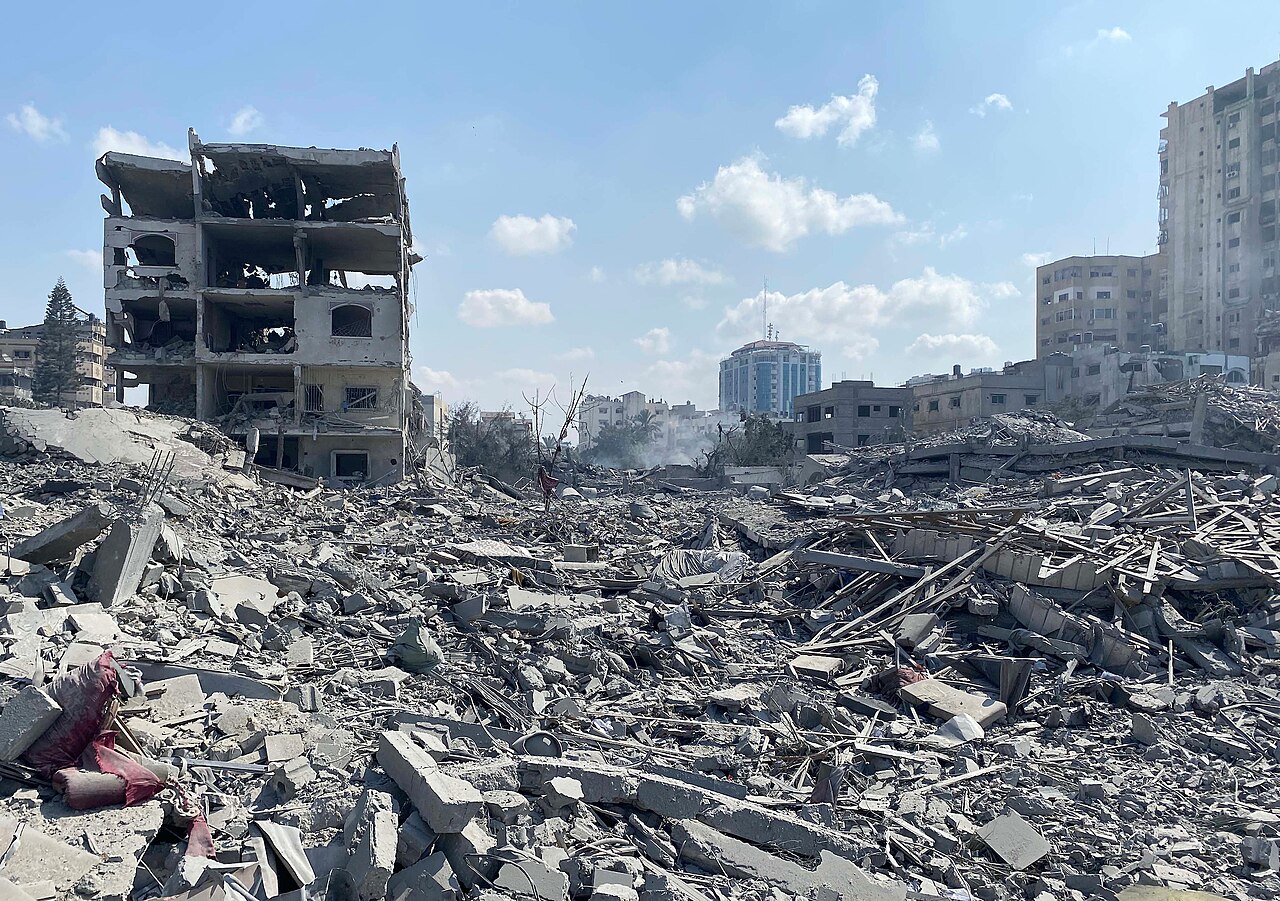
Women in Gaza who have lost their husbands in the war must meet their families’ needs far beyond providing food. They also seek shelter, carry water, and ensure their children continue learning from displacement tents. A UN News report published on November 25, 2026, depicts these daily realities through the lives of several mothers at the Flowers of Palestine camp in western Gaza City.
Mounting responsibilities inside the tents
At the camp established for widows, the day begins with a trip to a water tanker. Women and their children fill buckets and plastic containers, then carry them back to their canvas shelters. Collecting water is one of the daily tasks they must carry out while attending to their families’ other needs.
Kholoud Farajallah, a mother of three, told the UN News correspondent in Gaza that women now shoulder multiple responsibilities: their own duties as well as those previously handled by their husbands. Yet, she said, this burden has not been accompanied by the fulfillment of their rights. Losing her husband early in the war also forced Farajallah to abandon her master’s studies in mathematics and teaching methods because she had no income.
Earning a living while supporting education
To support her family, Farajallah initially baked cakes and asked her son to sell them around the displacement camp. She later built a small shop out of wood and plastic sheeting near the camp. The business now meets her children’s basic needs, but her work does not end when she leaves the shop.
Farajallah must still manage the household, care for her children, and keep track of their education. In another tent, Umm Mohammed Abu Rayala is raising seven children alone. She told UN News that losing their husbands had brought responsibilities the women had never shouldered before the war. Women, she said, now act as both fathers and mothers in deeply uncertain daily circumstances.
The need for shelter and cash assistance
According to UN Women, more than 86,000 households in Gaza are now headed by women. That is nearly one in four households, compared with one in nine before the war. The UN News report highlighted these conditions to coincide with the International Day for the Elimination of Violence against Women on November 25, drawing attention to the war’s impact on women beyond death and injury.
UN Women says 68 percent of women-headed households lack adequate shelter. A further 67 percent urgently need cash assistance to meet daily needs. These families have been forced to move an average of eight times since October 2023. These figures provide context for the daily lives of mothers who must earn an income while caring for their families in displacement.
Efforts to provide shelter
Nidaa Matar, one of the organizers of Flowers of Palestine, said the initiative began as a personal effort to respond to the growing number of widows and orphans resulting from the war. The founders then contacted various organizations and associations until they were able to establish the camp. According to Matar, it shelters 82 families who have lost a husband or father, including families without a breadwinner or income who previously did not know where to live.
Yet having shelter has not ended their vulnerability. UN Women warns that winter rains and flooding will worsen conditions in displacement camps. Women-headed households face greater risks because their shelters are fragile and they have been repeatedly displaced. Farajallah said she devotes all her time to raising her children after giving up her education and personal life, while wondering how long these circumstances will continue.