News and context with references. Check the publication date and source dates.
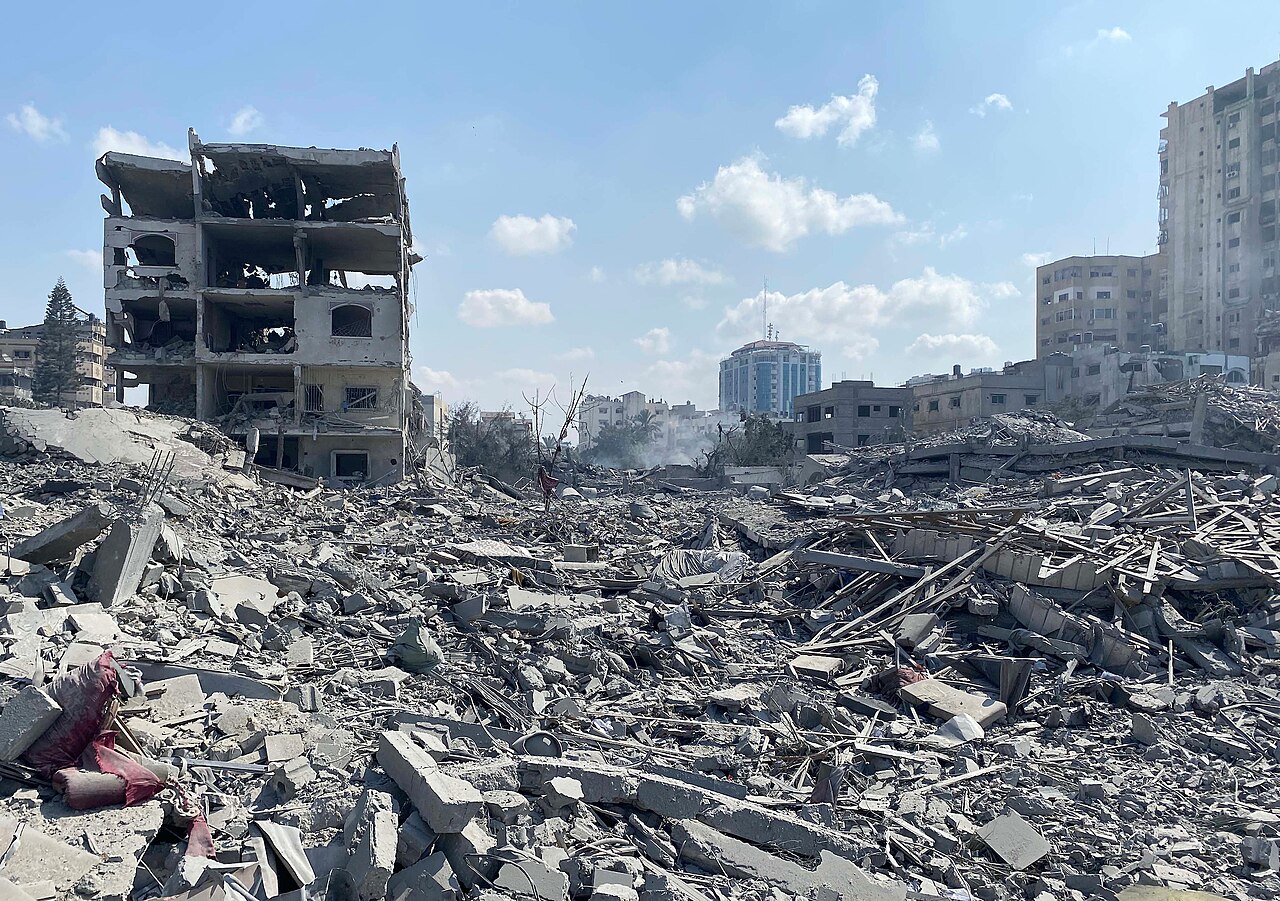
The war between Hamas and Israel in Gaza has set human development back by up to 77 years, according to a joint assessment by the United Nations and the World Bank. As reported by UN News on November 23, 2026, UN Deputy Secretary-General Amina Mohammed warned that Palestinians continue to face violence, displacement, and extremely difficult living conditions despite a ceasefire in Gaza that has been in place since October 2025.
Suffering continues after the ceasefire
Speaking on behalf of the UN Secretary-General ahead of the International Day of Solidarity with the Palestinian People, Mohammed affirmed the Palestinian people's rights to dignity, justice, and self-determination. She called for renewed international support for a two-state solution to end the Israeli-Palestinian conflict.
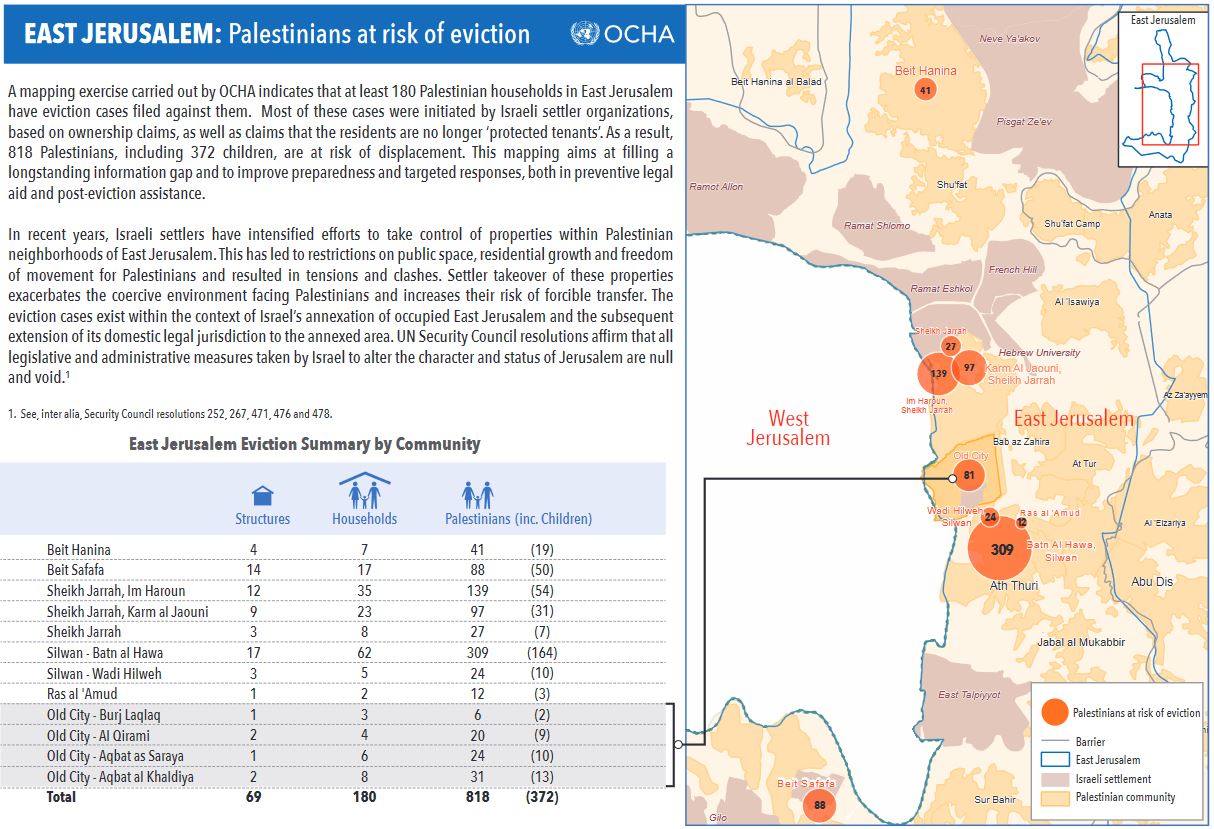
In her statement, Mohammed said tens of thousands of people had been killed in Gaza. She also warned that settler violence in the West Bank was driving families from their homes at record levels.
Mohammed reaffirmed the UN's condemnation of the Hamas terror attacks on October 7, 2023. She said there was no justification for those attacks, just as there was no justification for the collective punishment of the Palestinian people.
Aid must reach civilians
Against this backdrop, Mohammed called for unhindered humanitarian access to Gaza and protection for aid workers. She stressed that aid must not be obstructed, diverted, or used as a bargaining chip.
That appeal was accompanied by a call for political and financial support for UNRWA, the UN agency for Palestinian refugees. According to UN News, the agency provides basic services, protection, and emergency assistance to Palestinians.
In Mohammed's remarks, aid access and the protection of humanitarian workers were essential elements of the response to the ongoing suffering. As she noted, the ceasefire in place since October 2025 has not ended the violence, displacement, and hardship facing Palestinians.
Recovery goes beyond physical reconstruction
Mohammed emphasized that Palestinian recovery must be led by Palestinians themselves. Women and young people, she said, must have meaningful roles in that process.
The scope of recovery she outlined included rebuilding homes and infrastructure, as well as restoring access to clean water, healthcare, education, and livelihoods. However, she stressed that the work must go beyond physical reconstruction and the provision of services.
Citing the joint UN and World Bank assessment of the 77-year setback in human development, Mohammed also highlighted the need to repair social bonds. She emphasized that recovery includes healing society and communities, not merely replacing buildings that need to be rebuilt.
Reconstruction is no substitute for a political solution
Mohammed warned that reconstruction cannot replace a political solution. She stressed that the Occupied Palestinian Territory must remain politically, economically, and territorially integrated, and united under a single legitimate, sovereign, and democratic Palestinian government.
She reiterated the UN's support for two independent and sovereign states, Israel and Palestine, living side by side on the basis of the pre-1967 lines. Mohammed described this as the only way forward, while urging action without delay and rejecting impunity.