News and context with references. Check the publication date and source dates.
Winter rains are worsening the shelter, sanitation, and food crisis for displaced families in Gaza. According to a UN News report published on November 17, 2026, floodwater and sewage are damaging food supplies inside tents, while residents struggle to obtain fuel for cooking and keeping warm. Funding shortages and restrictions on aid deliveries are placing further pressure on an already fragile humanitarian response.
Damaged tents put lives at risk
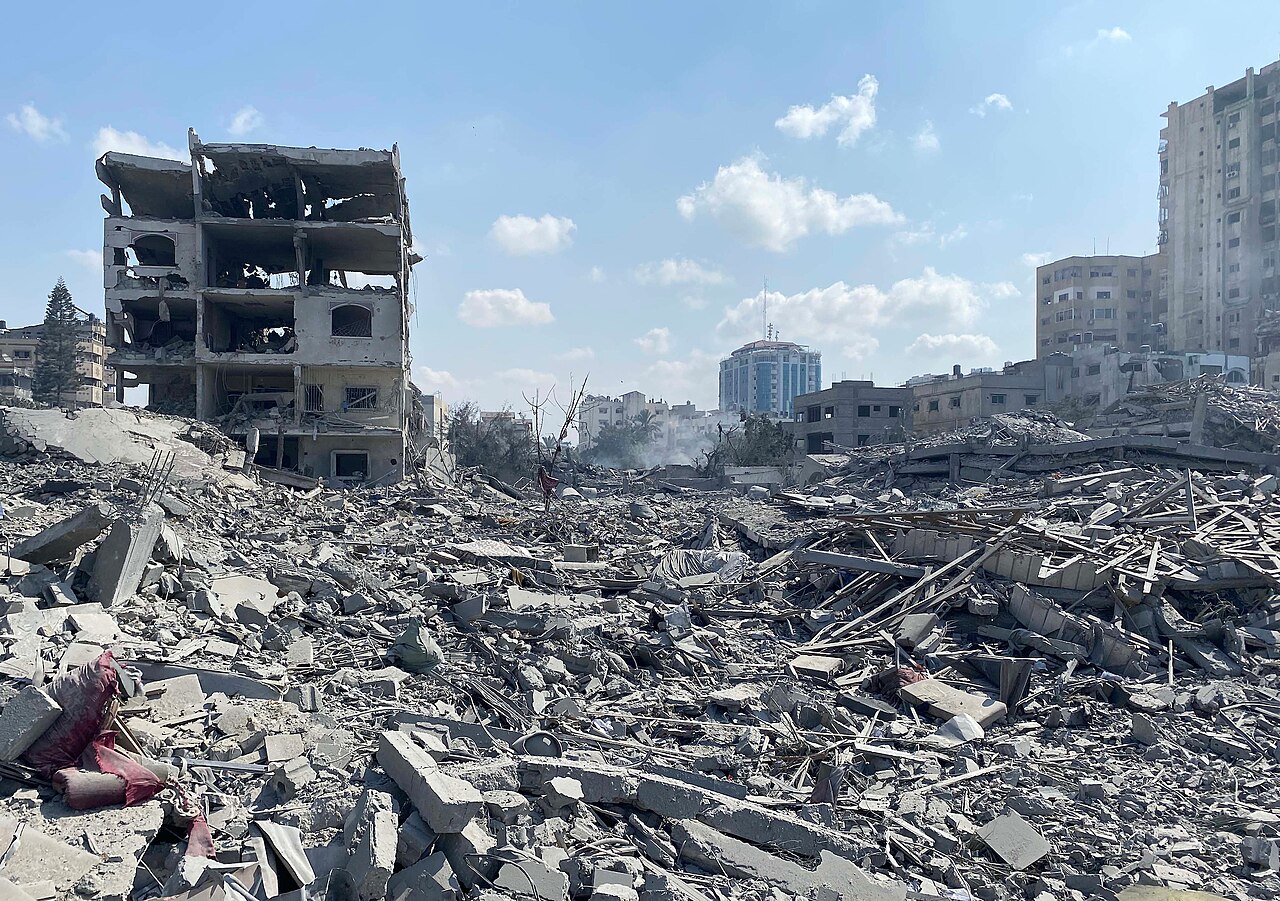
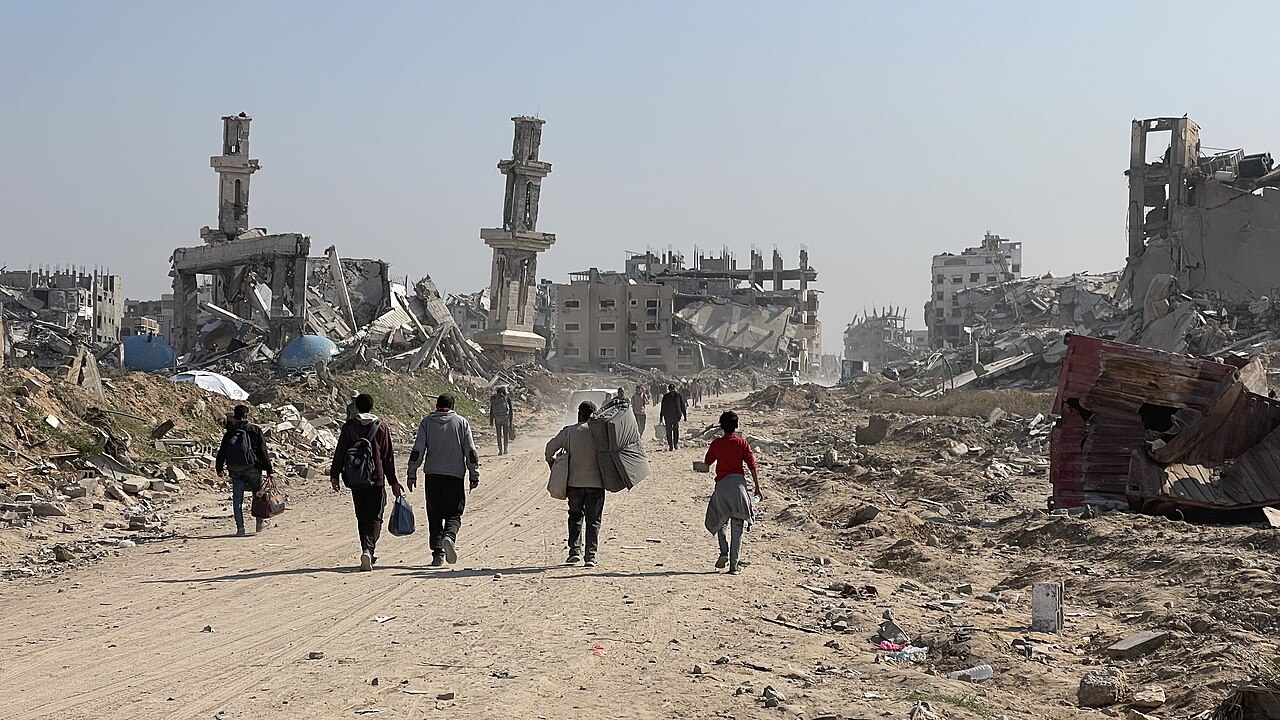
Karl Baker of the UN's International Organization for Migration, or IOM, said tens of thousands of shelters were damaged or destroyed after just one day of rain. The damage has heightened concerns about displaced families' ability to get through the winter. More than 1.7 million Gaza residents remain displaced.
Baker also reported that at least five people died when a sand embankment collapsed more than a week before the report. According to reports from humanitarian partners that he relayed, two children died in an accidental fire as families cooked inside tents to keep warm. Flooding and fires now both threaten people living in temporary shelters.
Food supplies also flooded
Shaun Hughes, the World Food Programme's director for Palestine, described the conditions to reporters in Geneva after visiting Gaza the previous week. He explained that floodwater and sewage were destroying food stocks stored in tents. Cooking gas and firewood are either unavailable or unaffordable; even the rubbish many residents use as fuel has become wet.
A total of 1.4 million people face acute hunger. UN agencies warn that recent improvements in food security remain fragile because they are sustained primarily by humanitarian aid rather than a recovery in livelihoods, markets, or local food systems. According to Hughes, Israeli military control over nearly 70 percent of Gaza leaves very little space to grow food. He also said that fishing at sea is prohibited and life-threatening, while unemployment exceeds 80 percent.
Access constraints hamper protection for displaced people
According to IOM, improving the management of displacement sites is one of the most immediate and effective ways to protect families. Humanitarian teams have dug drainage channels, reinforced walkways, and repurposed flour sacks as sandbags. Flood prevention, fire safety, warming points, lighting, and emergency site repairs require at least US$9 million over the coming months.
UN agencies say the approval process for bringing in equipment is lengthy and bureaucratic. They are working with COGAT, the Israeli body that coordinates government activities in the territory, to meet Israel's security requirements. Baker said more than 100,000 tents were awaiting shipment from Egypt, but their entry depended on strict criteria, including the diameter of the central pole. IOM urged member states to use their influence to secure the opening of more crossings and allow humanitarian supplies to enter immediately and predictably.
Heavy burdens on women-led households
UN Women said that, for a fourth winter, women who shoulder most household responsibilities are struggling to feed their children and keep their families warm. Flooding and sewage are bringing disease and rodents into tents and makeshift shelters.
One in four households in Gaza is headed by a woman. Even before the flooding, these households were more likely to live in inadequate shelters. UN Women highlighted the severe hardships faced by widows and women whose husbands have been forcibly disappeared, seriously injured, or remain missing; they often bear these circumstances alone.