News and context with references. Check the publication date and source dates.
UN Emergency Relief Coordinator Tom Fletcher urged UN member states and international partners to stop delaying support for Gaza. According to a UN News report on November 11, 2026, he expressed deep concern over the worsening humanitarian situation as winter makes living conditions harder for residents. His appeal included accelerating the delivery of shelter supplies, opening all crossings, and funding the aid plan.
Delays on political grounds
Fletcher said foreign ministers and partners had pledged their support to him. However, he said, they repeatedly argued that progress would be difficult before Israel's elections were over. After that, the reason for waiting shifted to the need to await the formation of a government.
He stressed that those reasons were unacceptable under international humanitarian law. Fletcher also referred to the positions of the international community and the Board of Peace on the issue. In his view, aid needs cannot keep being deferred in line with political developments, especially when those delays put lives at risk.
Tents exposed to severe weather
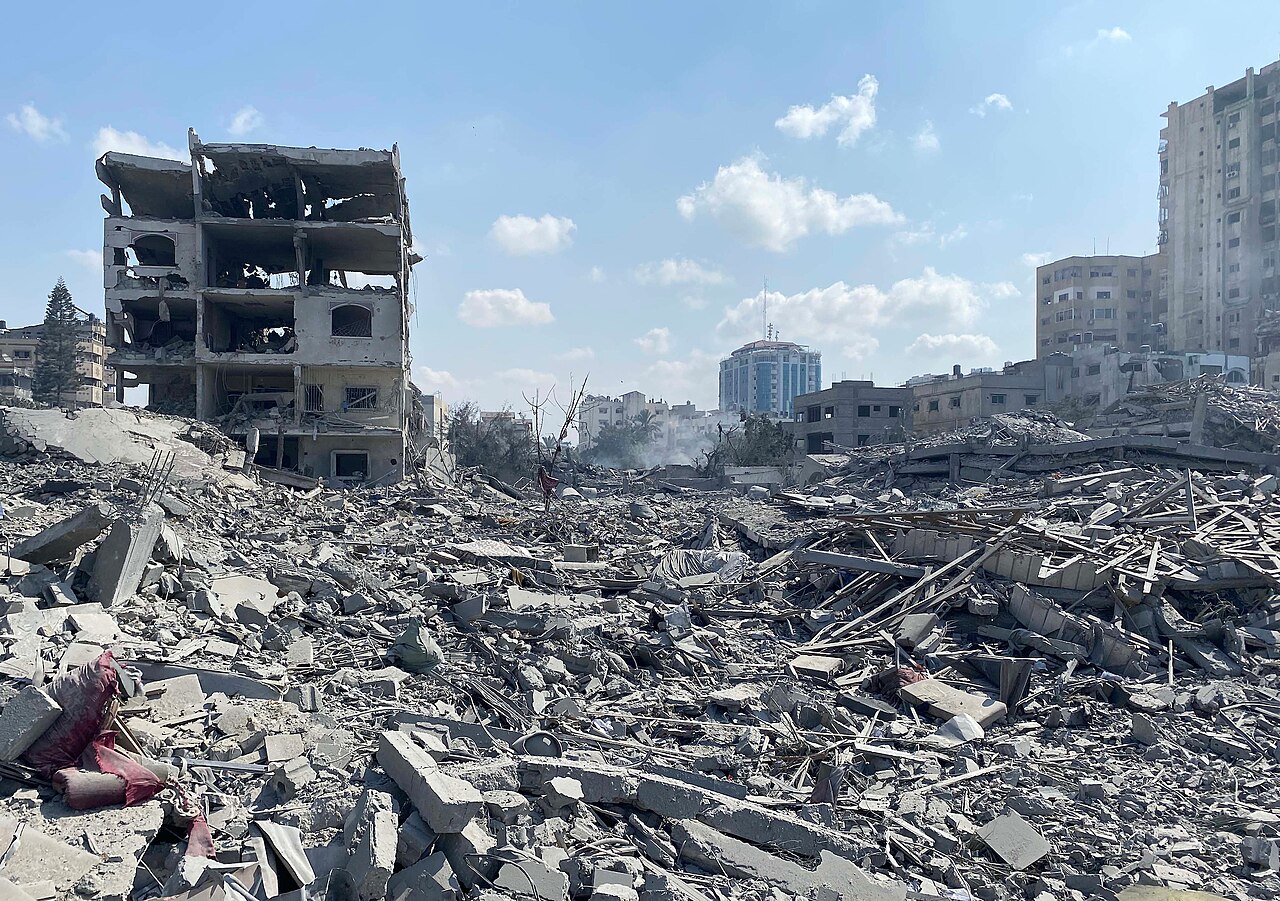
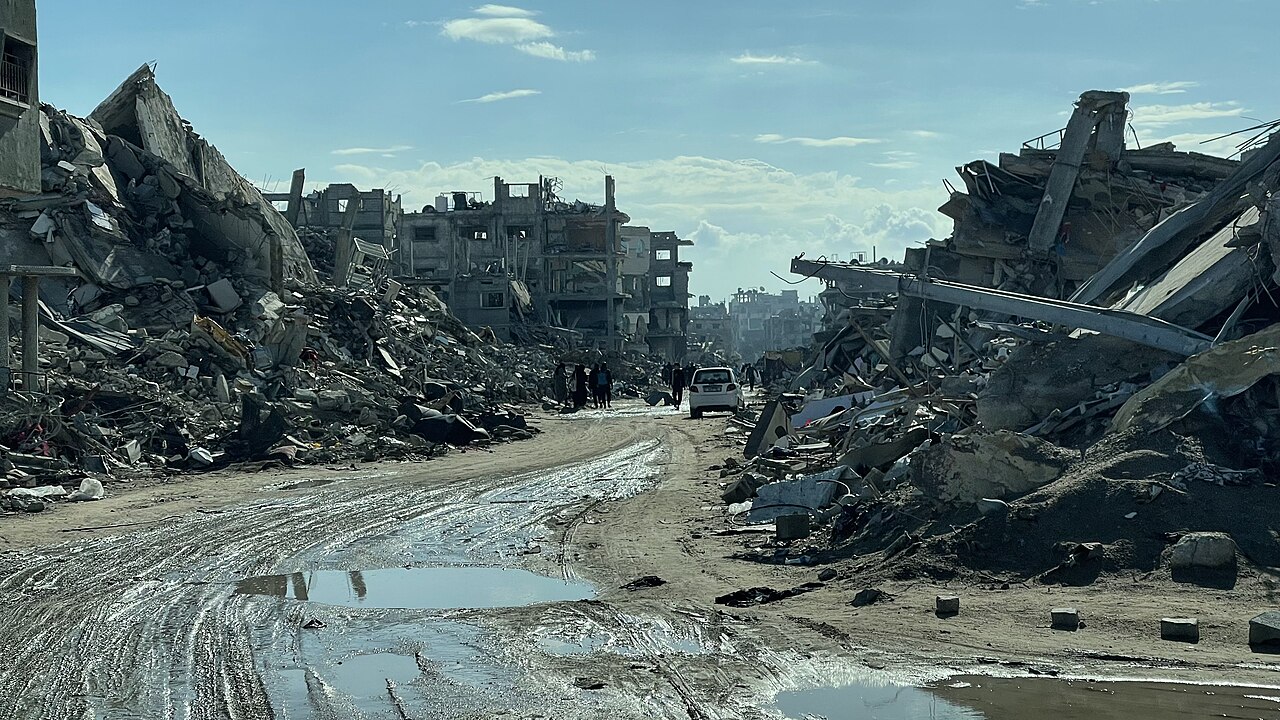
UN News reported that Gaza's residents face freezing temperatures and severe storms during winter. Storms can topple or flood the tents sheltering thousands of people. These conditions make adequate shelter an urgent part of the humanitarian response.
According to Fletcher, the weather should not pose such a serious risk if residents have adequate protection. He said providing suitable tents and essential winter supplies could reduce those dangers. He also emphasized that the UN had already had a clear plan for the supplies that needed to enter Gaza for several weeks.
Supplies and access needed
The list of needs outlined by Fletcher includes durable shelters, warm clothing, blankets, bedding, and safe heating equipment. Other needs include generators, fuel, engine oil, spare parts, and equipment to pump water, remove rubble, and clear explosive materials.
Fletcher called for all crossings to be opened, not just one, and for partner nongovernmental organizations to be allowed to operate. He also called for commercial markets to be allowed to function and for the aid plan to be funded. In his appeal, he urged an end to what he described as collective punishment and predictable, preventable suffering.
Restoring livelihoods is also urgent
In the same report, the International Labour Organization, or ILO, called for increased financial support for employment-based recovery in the Occupied Palestinian Territory. In Gaza, 252,000 jobs were lost between the third quarter of 2023 and the third quarter of 2025. Unemployment reached 85.1 percent, while lost labor income totaled US$2.77 billion. Women and young people face severely limited prospects.
Resident and Humanitarian Coordinator Ramiz Alakbarov said humanitarian aid alone cannot restore livelihoods, basic services, or the institutional foundations for sustainable recovery. The ILO's Decent Work and Recovery Programme supports emergency employment, business recovery, social protection, and stronger labor institutions. Over the past three years, the program has helped generate around 130,000 paid workdays and contributed to social benefits for more than 30,000 older people and people with disabilities.