News and context with references. Check the publication date and source dates.
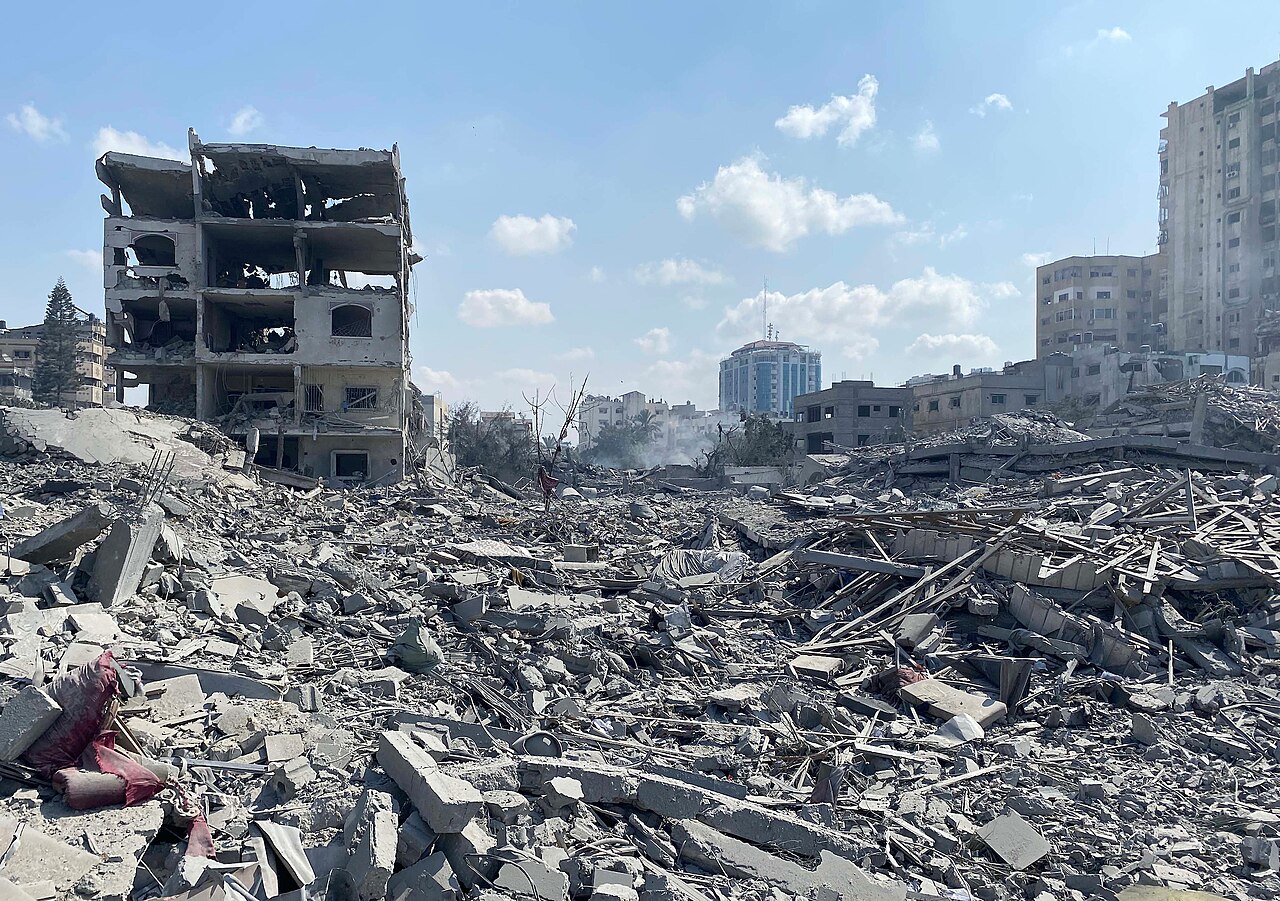
An Israeli airstrike hit Nasser Hospital in Gaza on Wednesday night, killing six people, injuring 27 others, and causing extensive damage. According to a UN News report published on November 12, 2026, the strike hit the hospital’s surgical department. The World Health Organization (WHO) said a medical worker, patients, and people accompanying patients were among those killed.
UN stresses the protection of hospitals
On Thursday, Ramiz Alakbarov, Acting UN Special Coordinator for the Middle East Peace Process, expressed deep concern over the attack. He said the continuing violence and recent escalation in military operations were worsening the suffering of people in Gaza while jeopardizing an increasingly fragile ceasefire.
Alakbarov stressed that international humanitarian law requires all parties to respect and protect medical personnel and facilities. Hospitals must not be targeted or used for military purposes. He also renewed his call for rapid, safe, and unhindered humanitarian access.
Healthcare services under pressure
WHO Director-General Tedros Adhanom Ghebreyesus emphasized that healthcare facilities are a lifeline for people in Gaza. He said they must therefore be protected and must not be militarized or attacked. WHO has documented more than 1,000 attacks on healthcare in Gaza since October 2023.
Tedros described peace as the best medicine and stressed that health needs in Gaza remained immense as winter approached. On Thursday, a separate attack also hit the area around a UN facility in Deir al-Balah where staff were sheltering. All staff have been accounted for.
Essential laboratory supplies and medical equipment also continue to be denied entry into Gaza. According to the UN News report, these restrictions are hampering the ability to detect disease outbreaks, a risk that increases significantly during winter.
Flooding adds to families’ hardships
The attack came as families in Gaza were still dealing with the effects of a major storm the previous weekend. The storm caused widespread flooding and deadly sand dune collapses. The UN Office for the Coordination of Humanitarian Affairs (OCHA) estimates that about 65 percent of Gaza’s population, or 1.4 million people, live in tents or makeshift shelters.
Reports cited by UN News said a nine-month-old baby died from exposure to the cold after days of heavy rain and flooding. By Wednesday, humanitarian partners had distributed tents, tarpaulins, blankets, and other essentials to about 1,800 families. That represents only about one-third of the 5,200 families whose urgent needs had been assessed.
Aid workers have also been pumping out standing water, digging drainage channels, and clearing affected areas. However, families remain exposed to sewage-contaminated standing water, while pumps, sandbags, and other equipment are insufficient to meet needs. The rainy season has only just begun and is expected to last several months.
Calls to increase the flow of aid
On Thursday, a group of 53 countries and organizations urged the incoming Israeli government to allow aid into Gaza on a large scale ahead of winter. The appeal came as the need for shelter, basic supplies, and healthcare remained urgent.
Speaking outside the UN Security Council in New York on behalf of the Gaza Call to Action, British Ambassador Sarah MacIntosh said the full flow of aid promised under the peace plan backed by Resolution 2803 had not materialized. The statement highlighted the gap between aid commitments and their implementation.