News and context with references. Check the publication date and source dates.
Apple is introducing a Face Unlock option for iPhone Duo through the iOS 27.3 developer beta update. The feature lets users unlock their screens using facial recognition, but it does not use the same system as Face ID on other iPhones. Differences in hardware and how faces are scanned mean the two features offer different levels of security and have different usage requirements.
A new option for unlocking the screen
The arrival of Face Unlock addresses complaints from users about iPhone Duo previously lacking facial recognition. Users who wanted that option considered fingerprint scanning through Touch ID less efficient. With this beta update, Apple is adding another way to unlock the device.
In terms of functionality, Face Unlock resembles facial recognition on Android phones, first offered on the Galaxy Nexus in 2011. The system uses the front camera to take a photo of a face, then compares it with a stored image of the user. No additional hardware is used for this recognition process.
The front camera and security limitations
Using photos as the basis for matching is a key distinction from Face ID. Apple considers this approach insecure because the phone can be unlocked by displaying a photo of its owner's face on another device. Similar screen-unlocking functionality therefore does not mean Face Unlock provides protection equivalent to Face ID.
Because of these limitations, Face Unlock on iPhone Duo requires users to verify their identity again using Touch ID or a passcode whenever the phone has been turned off for more than 45 minutes. Additional verification is also required when using Apple Pay or performing other sensitive activities. Facial recognition is not the only check used across all device activities.
Face ID uses a three-dimensional facial map
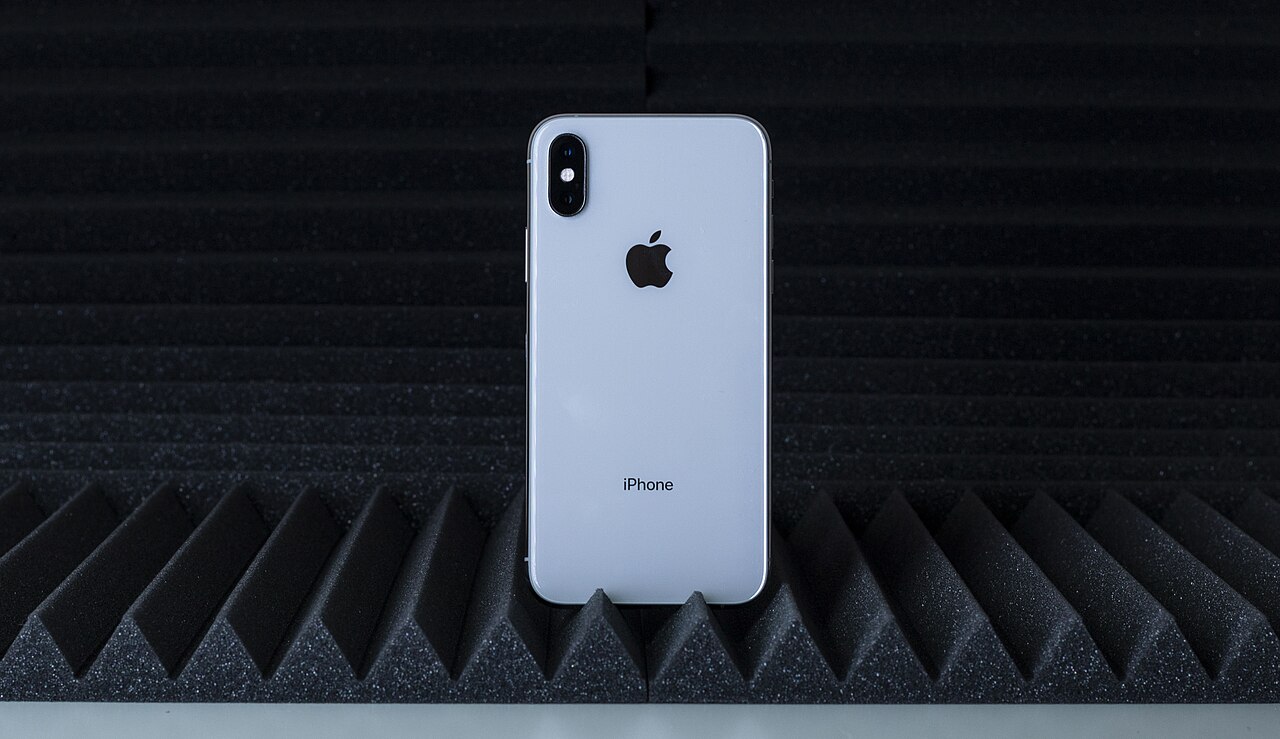
Unlike Face Unlock, Face ID uses a dedicated hardware module with infrared emitters and receivers. Introduced with iPhone X in 2017, this technology creates a three-dimensional map of the shape of the user's face, rather than simply comparing a photo from the front camera with a stored image.
In Apple's explanation, quoted by 9to5Mac on Thursday, November 19, Face ID projects more than 30,000 invisible infrared dots. The infrared image and dot pattern are processed through a neural network to create a mathematical model of the face. Apple says this system cannot be fooled using photos or facial models.
According to Apple, the probability of Face ID being fooled is less than one in a million, with certain exceptions, including users who have a twin and other circumstances. That figure is Apple's claim about Face ID, not a stated measure of security for Face Unlock on iPhone Duo.
The role of the Secure Enclave in both features
Face Unlock on iPhone Duo also uses the Secure Enclave on Apple's chip to process facial data and verify a match. Through this mechanism, iOS, apps, users, and Apple are said to be unable to access the data used for unlocking through the front camera. This data protection still needs to be distinguished from the recognition method's resistance to being fooled by photos.
With Face ID, according to Apple, the facial model is sent to the Secure Enclave to check for a match while adapting to physical changes in appearance over time. Stored facial information is protected by the Secure Enclave, and the entire process takes place on the device. Their shared use of the Secure Enclave does not eliminate the differences in how the two features capture and recognize faces.