A general guide to phone care and repair. For hardware damage, have your phone checked by a trusted technician.
The charging port is used almost every day, yet its cleanliness and proper use are often overlooked. Problems usually become noticeable when charging cuts out or the cable plug no longer fits securely. During a service inspection, it is important to distinguish between cable issues, dirt in the port, and connector damage so that attempts to fix the problem do not make it worse.
Recognize the symptoms before assuming the port is loose
Common signs include charging that repeatedly connects and disconnects, a plug that slips out easily, or a cable plug that does not fit as it normally would. If charging works only when the cable is held at a particular angle, stop propping it in place or wiggling it. Repeated sideways pressure can put additional strain on the connector.
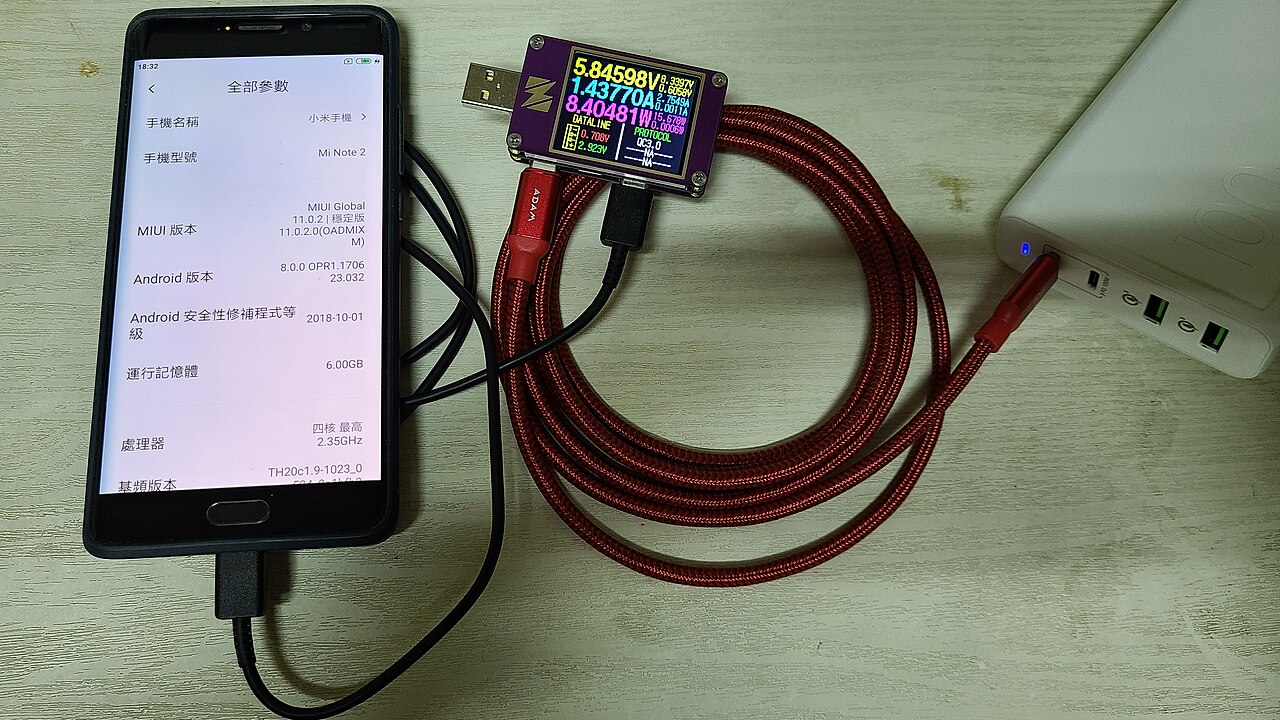
These symptoms do not always mean the phone’s port is damaged. A worn or dirty cable plug can also interfere with the connection. Inspect the outside of the cable after disconnecting it from the power source. If there are no signs of liquid, overheating, or physical damage, try another compatible cable that is in good condition and meets the device’s standards. Do not force a connector that feels stuck.
Reduce dust and strain on the connection
Pocket lint and dust inside bags can collect at the port opening. Compacted debris can prevent the plug from inserting fully, making the connection feel insecure. Make a habit of cleaning your pockets or wherever you keep your phone, and avoid placing it on sandy surfaces or surfaces covered in debris.
When connecting the cable, align the plug with the port opening and push it in gently without applying sideways pressure. When disconnecting it, hold the plug rather than pulling on the cable. Place the phone on a stable surface while charging and leave enough slack in the cable to avoid pulling on the connection.
Avoid using the phone in a position that sharply bends the cable or puts weight on the plug. Make sure the case does not prevent the cable plug from inserting properly. Do not push harder to overcome an obstruction caused by the case.
Clean only the areas that are safe to reach
Turn off the phone and disconnect all cables before inspecting the port in adequate light. When cleaning it yourself, limit cleaning to the outer surface and the area around the port opening, using a soft, dry, lint-free cloth. Wipe away from the opening to avoid pushing dirt inside.
Do not insert needles, safety pins, toothpicks, cotton swabs, or other tools into the port. The electrical contacts and small connector components can be damaged by friction or pressure. Also avoid spraying cleaning liquid into the port, blowing into it with your mouth, using compressed air, or drying it with a heating device.
If you see compacted dirt inside, leave the cleaning to a technician. If a moisture warning appears or the port has been exposed to liquid, unplug the cable and do not continue charging through that port. Follow the manufacturer’s drying instructions without trying to speed up the process with heat or by inserting absorbent materials.
Know when a technician’s inspection is needed
Take the phone to a technician if the connection remains unreliable after trying a compatible cable in good condition, the port looks bent, or the connector feels as though it moves relative to the phone’s body. An inspection is also needed if charging always requires a particular position or dirt cannot be removed from the outside.
Stop charging immediately if you notice a burning smell, discoloration, or unusual heat around the connector. Do not repeatedly plug in the cable to confirm that something is damaged. When handing over the device, explain the symptoms and any history of liquid exposure or cable strain to help guide the inspection.