News and context with references. Check the publication date and source dates.
Residents returning to southern Lebanon face widespread destruction and a still-unstable security situation as the UN peacekeeping mission prepares to end its deployment. According to a UN News report on November 11, 2026, hostilities have declined significantly following a June agreement between the United States, Lebanon, and Israel. That decline, however, has not eliminated the difficulties people face in rebuilding their lives.
Returning does not mean recovering
The latest UN figures show that the number of internally displaced people who have returned home has risen by 13 percent since September to nearly one million. About 304,500 people remain displaced outside their home areas. These returns are taking place amid destruction in villages that continues to make daily life extremely difficult.
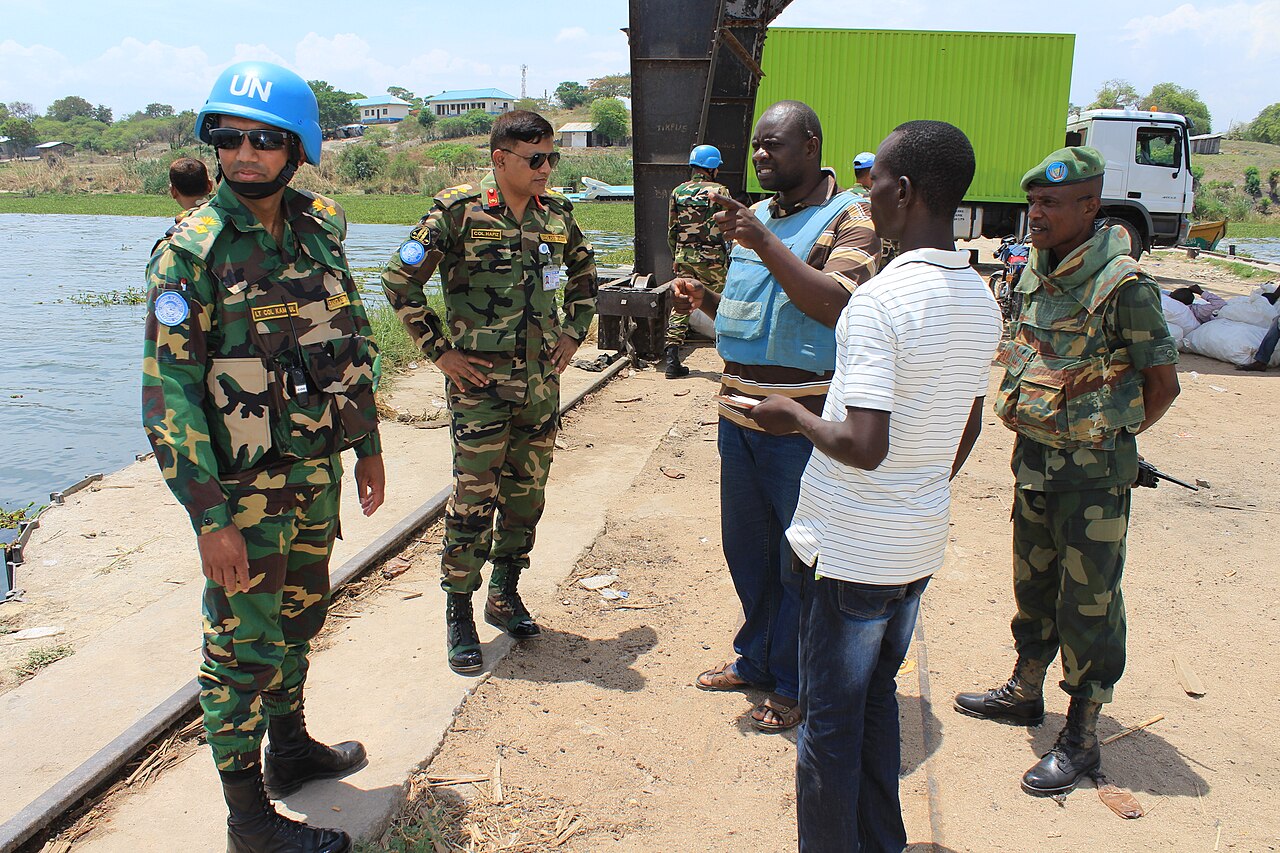
Speaking to UN News from Naqoura, Kandice Ardiel, spokesperson for the United Nations Interim Force in Lebanon, or UNIFIL, said children were beginning to return to school and farmers were trying to harvest their crops, particularly olives. However, she said much of the electricity network, water systems, and roads had been destroyed and needed to be rebuilt. The return of residents does not mean that the basic infrastructure needed for daily life has been restored.
Military activity continues
Ardiel said peacekeepers were still observing daily violations by Israeli forces in southern Lebanon. The activities she cited included the construction of military positions and roads, military operations, the demolition of buildings, airstrikes, and artillery fire on the Lebanese side of the Blue Line.
The Blue Line is a withdrawal line identified by the UN in 2000 in cooperation with Lebanese and Israeli officials. It serves as a reference for verifying the withdrawal of Israeli forces from Lebanese territory in accordance with Security Council Resolution 425 of 1978. In a separate incident on Tuesday, UNIFIL reported that its routine patrol came under fire near Wadi Jilu. Peacekeepers returned fire, after which the shooting stopped, with no injuries reported. UNIFIL called on the Lebanese government to investigate the incident immediately.
Mandate ending, next steps undecided
UNIFIL was established by the UN Security Council on March 19, 1978, to confirm the withdrawal of Israeli forces from Lebanon, restore international peace and security, and help the Lebanese government reestablish its authority in the area. In August 2025, the Security Council unanimously decided not to extend UNIFIL’s mandate beyond the end of 2026. Preparations for the mission’s withdrawal are expected to begin in January 2027.
According to Ardiel, the Security Council is considering several options for the next steps, but no decision has been made. She said this was creating uncertainty and concern among local communities. Ardiel also emphasized the importance of maintaining an international presence, saying that impartial monitoring and international engagement remained essential to Lebanon’s stability.
Impact on local life
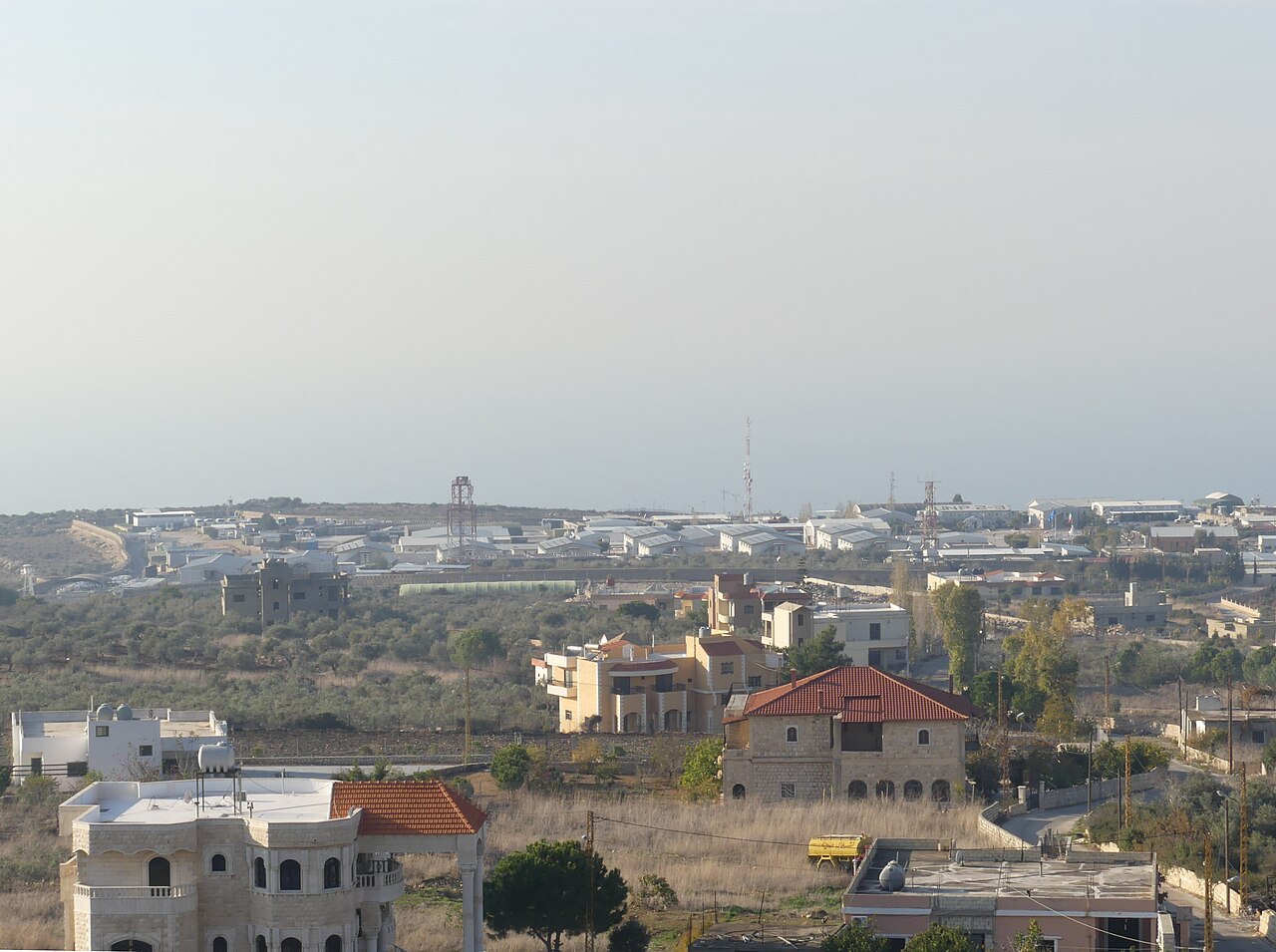
Naqoura, where UNIFIL’s headquarters is located, illustrates the scale of destruction in southern Lebanon. According to Ardiel, the village, which once had homes, shops, restaurants, and various businesses, has now been almost entirely reduced to rubble. UNIFIL troops have seen many residents lose both their homes and their livelihoods.
The end of the mission will also affect communities that have lived alongside UNIFIL for decades. In addition to its security role, the mission provides jobs and contributes to the local economy. Ardiel said the transition would be very difficult for Lebanese staff, many of whom had lost homes or family members in the conflict. Those concerns are compounded by continuing military activity and uncertainty about the area’s future.