News and context with references. Check the publication date and source dates.
A drone attack on October 19, 2026, that killed at least 30 people has introduced a worrying new dimension to security in the disputed territory of Abyei. According to UN News, UN peacekeeping chief Jean-Pierre Lacroix delivered that warning to the Security Council on November 5. He said threats to Abyei’s stability were increasingly shaped by broader regional political and economic conflicts.
First drone attack and a series of violent incidents
Lacroix said the October 19 attack was the first drone strike in Abyei. It sparked a major fire, injured around 59 people, and forced dozens of civilians to leave their homes. Peacekeepers are still examining whether the death toll could be higher than reported.
The attack followed violence on September 15 in and around the Amiet Joint Market. Clashes involving members of the Ngok Dinka, Misseriya, and Nuba communities killed 124 people and injured 40 others. According to Lacroix, the two incidents show that threats in Abyei are evolving beyond longstanding patterns of intercommunal tensions.
Amiet and security developments
Amiet is now more than a trading hub: it is Abyei’s main economic center and a transit point for more than 49,000 refugees and returnees who fled the war in Sudan. Lacroix warned that the concentration of trade and movement of people there creates opportunities for criminal networks and armed groups.
Nevertheless, he also reported security improvements. The number of recorded incidents fell by around 32 percent compared with the same period a year earlier. This year’s seasonal livestock migration also took place without a single related death. He outlined this progress alongside his warning about the changing nature of the threats.
Dialogue and the future of the UN mission
Sudan and South Sudan resumed formal talks in August through the Joint Political and Security Mechanism, for the first time since January 2023. A second meeting was scheduled for November 8–10 in Khartoum. However, Lacroix highlighted reports that the paramilitary Rapid Support Forces, or RSF, had appointed their own representatives to the Abyei Joint Oversight Committee. He said the move risked creating competing claims to authority and drawing Abyei further into Sudan’s conflict.
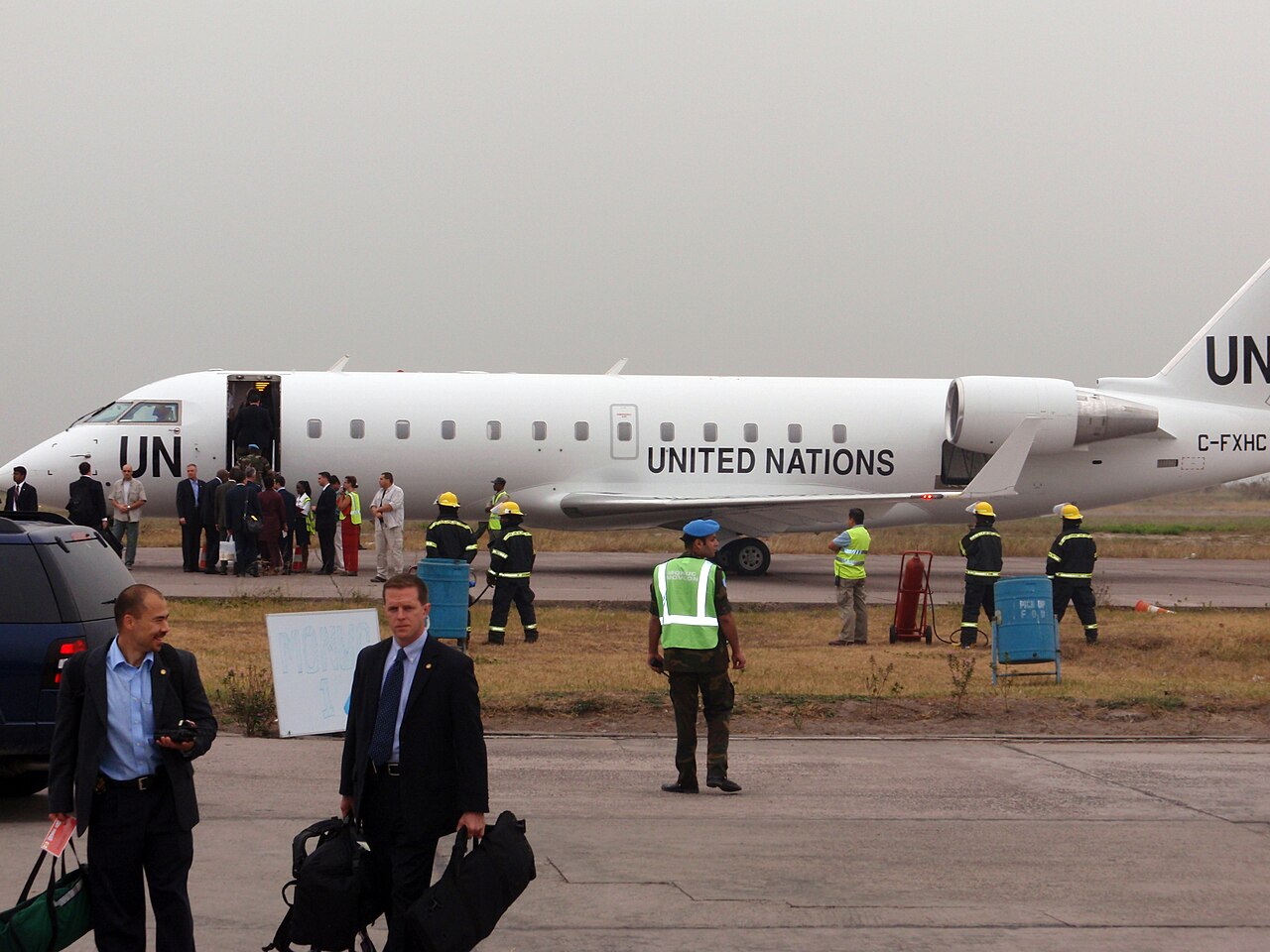
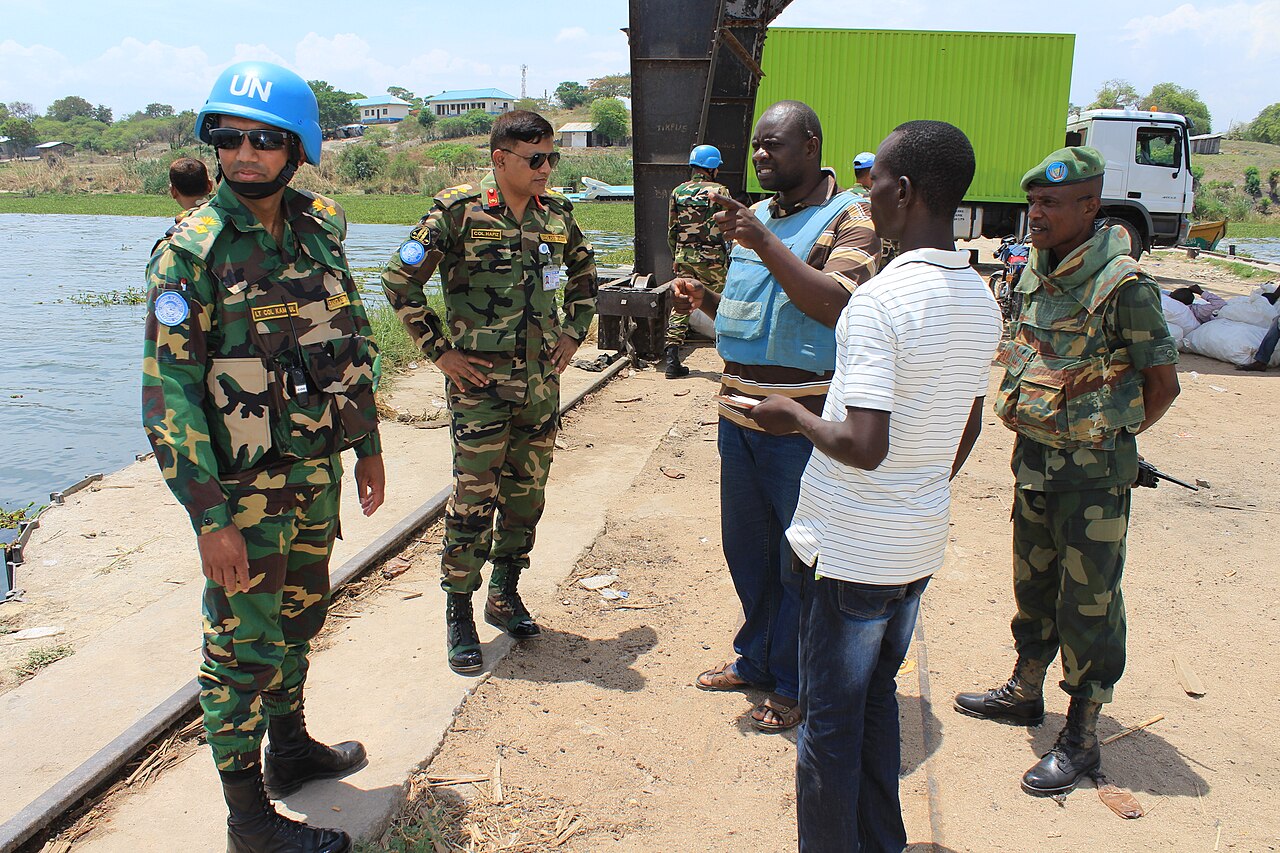
As the Security Council considers the mandate of the United Nations Interim Security Force for Abyei, or UNISFA, Lacroix said conditions were not yet in place for major changes to the mission’s configuration. He called for stronger protection for peacekeepers against aerial threats. The UN Secretary-General’s Special Envoy for the Horn of Africa, Guang Cong, also urged an immediate, independent investigation and called on both governments to preserve Abyei’s demilitarized status.
Pressure on humanitarian aid
In Sudan, Humanitarian Coordinator Denise Brown again warned about the impact of drone attacks on power plants and fuel facilities. She said fuel shortages were severely disrupting life-saving aid. UNICEF continues to deliver malaria treatments to 765 health facilities in Darfur and West Kordofan, enough for 800,000 people. However, as the year draws to a close, Sudan’s $2.9 billion humanitarian appeal remains less than half funded.
On the Sudan–South Sudan border, the International Organization for Migration, or IOM, warned that around 100,000 people could lose access to health services if the only clinic at the Wunthou crossing closes. Without urgent funding, the clinic could cease operating in December. The facility continues to serve more than 1,000 outpatients each week.