News and context with references. Check the publication date and source dates.
Millions of Haitians are struggling to meet their food needs after years of insecurity, armed gang violence, and economic instability. In a report published on November 21, 2026, UN News described how displacement, poor harvests, and climate shocks are compounding one another. Amid these pressures, emergency food assistance is being delivered alongside efforts to restore farming and family incomes.
The threat of food shortages is spreading
According to UN News, an estimated 6.35 million people, or roughly half of Haiti’s population, will not have enough to eat between March and June 2027. Nearly two million of them are projected to face emergency levels of food insecurity, when families have little or no food. In those circumstances, they may be forced to sell assets that sustain their livelihoods to buy food.
More than 1.5 million people have fled their homes because of the threat of gang violence. Many can no longer work or grow food. Insecurity is also disrupting farming communities and market supply chains, making it even harder to transport already diminished food supplies to those who need them most.
Losing crops and livestock
Drought and flooding are reducing harvests while hampering preparations for the next planting season. The number of people affected by drought conditions is projected to reach four million by December 2026. Speaking to UN News, Dieula Célestin described how farmers continue to till the soil and plant crops, only to harvest nothing because the rain does not come.
Délivrance Dovily has also felt the pressure on livelihoods, having lost her livestock amid the crisis and diseases affecting the animals. She said the livestock had previously helped her family pay for schooling and meet everyday needs. Losing the animals has made it increasingly difficult to put food on the table.
Emergency aid helps meet basic needs
The World Food Programme, or WFP, provides food and cash assistance to vulnerable families, including those displaced by violence. Working with Haitian authorities, the agency has supported 2.6 million people during 2026. Its programmes also include school meals for more than 620,000 pupils, efforts to prevent malnutrition among young children, and support for establishing a government social safety net system.
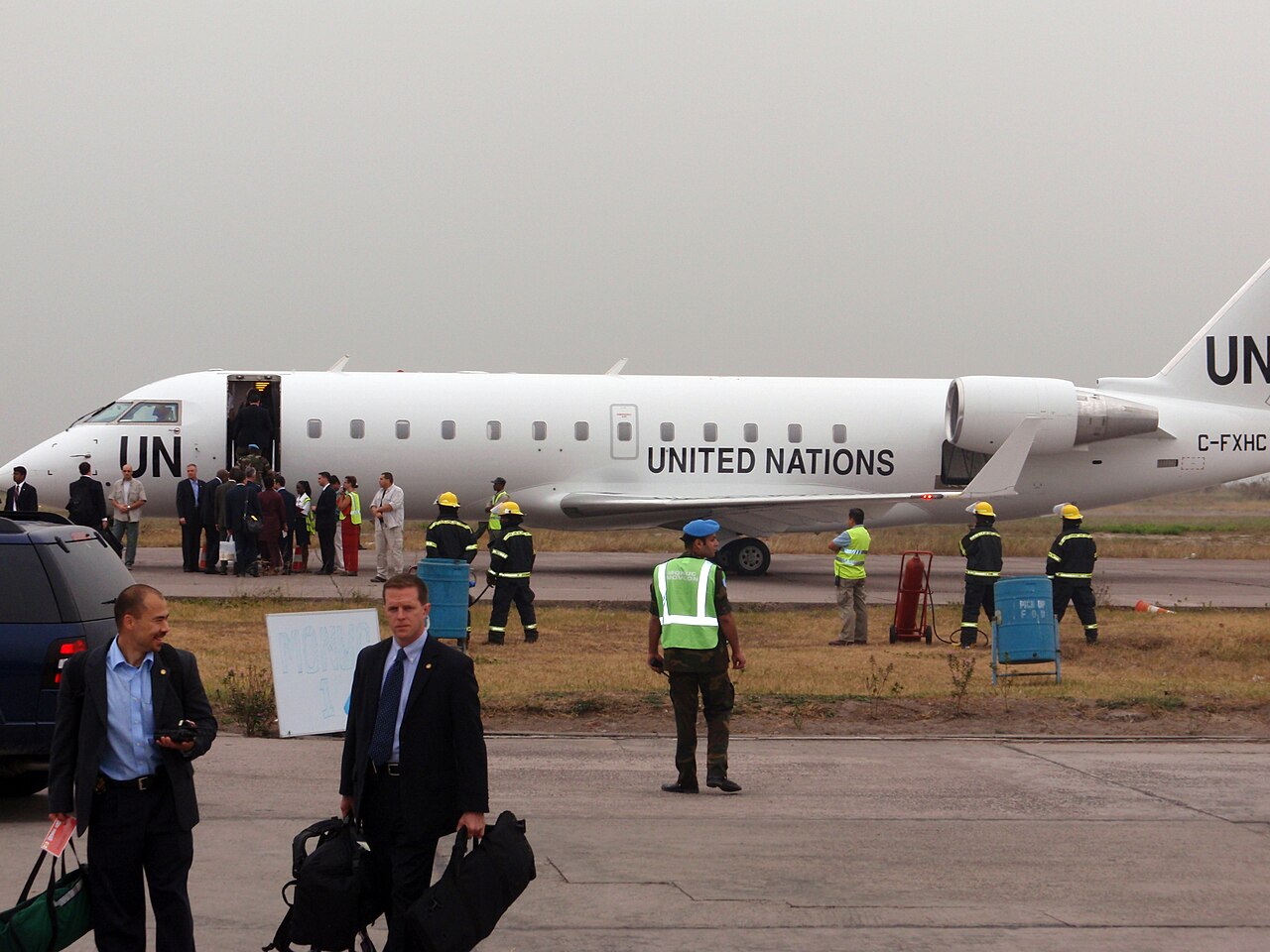
To respond to extreme weather, pre-positioned supplies can provide rice, beans, and cooking oil for up to 300,000 people for a month. UN News cited Hurricane Melissa, which struck southern Haiti a year before the report, as an example of such an emergency. Meanwhile, the United Nations Humanitarian Air Service, or UNHAS, transports aid workers into and out of Port-au-Prince and to remote areas.
Strengthening agriculture and self-reliance
The Food and Agriculture Organization of the United Nations, or FAO, is helping provide poultry and goats so farmers can quickly obtain food and income. FAO’s head in Haiti, Pierre Vauthier, explained that livestock can be distributed without waiting for the planting season. Dovily said the goat assistance strengthened her family’s activities and provided additional resources to meet her children’s needs, including schooling.
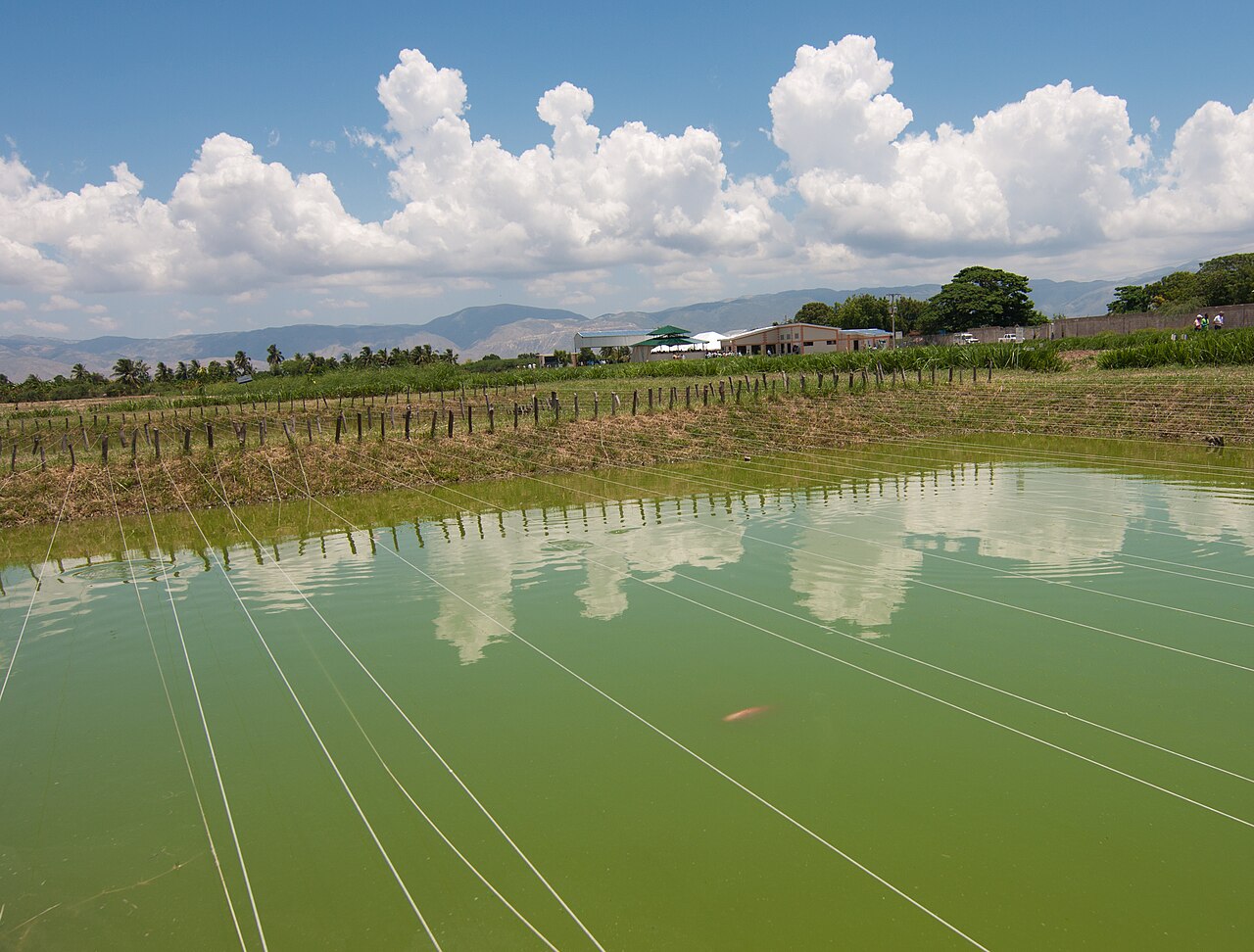
Together with national authorities and the International Fund for Agricultural Development, or IFAD, WFP and FAO are also investing in protecting livelihoods. WFP is rehabilitating water management infrastructure and rural roads, while providing insurance against crop losses caused by drought or excessive rain. Around 74 percent of its school meals use food from local farmers. WFP’s acting Country Director for Haiti, Erwan Rumen, stressed the importance of combining lifesaving assistance with long-term investment to make communities more resilient to shocks, including El Niño.