News and context with references. Check the publication date and source dates.
Mental health support must be a core part of humanitarian responses, rather than separate from efforts to meet the needs of crisis-affected communities. UN Deputy Secretary-General Amina Mohammed delivered that message during a weekend visit to Lebanon, as reported by UN News on November 16, 2026. The visit highlighted Lebanon’s efforts to address the psychological toll of years of conflict and instability.
The impact of conflict extends beyond physical destruction
According to Mohammed, the experiences she heard about in Lebanon show that the consequences of conflict go beyond visible physical destruction. Its effects on mental health, families, and communities can endure. She described addressing these needs as an essential part of the humanitarian response for people whose lives have been disrupted by conflict.
Lebanon faces mass displacement and acute food shortages as Israeli attacks continue, particularly in the south. Amid these growing needs, the country is increasingly integrating mental health support into its public healthcare system.
Bringing support into routine healthcare
Lebanon’s National Mental Health Programme has developed a strategy to make mental health and psychosocial support an integral part of healthcare. One example is the Chiyah primary healthcare center in Beirut. Routine health checkups at the facility include mental health screening and support for patients.
Lebanon also recently made Lifeline 1564, the national telephone service for suicide prevention and emotional support, free of charge. Mohammed said Lebanon already has expertise, integrated systems, and proven models. However, she said additional investment is urgently needed to reach more people and communities while ensuring services can be sustained over the long term.
Maintaining care in the south
In the southern Lebanese city of Tyre, Mohammed met with mental health workers and patients. She heard about local teams’ efforts to maintain continuity of care despite difficult conditions. Mohammed said she was impressed by their courage, particularly that of the women, and by the way they strengthened one another through mutual care.
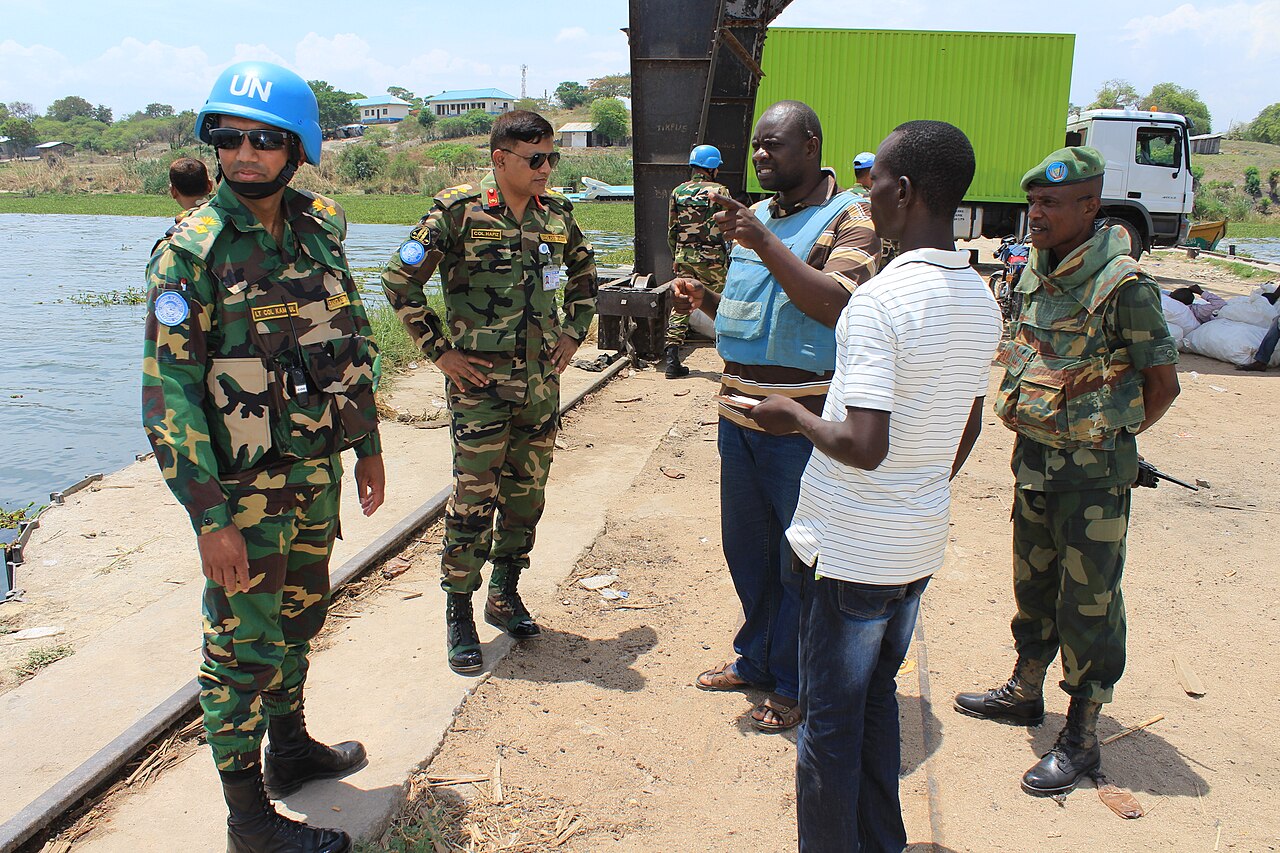
Her visit to the south also included Naqoura. There, she met personnel from the UN peacekeeping mission in Lebanon, UNIFIL. Mohammed thanked the mission’s staff for their contributions and sacrifices as its mandate nears its end.
Lessons for the global humanitarian response
Lebanon’s efforts are part of a UN push to place mental health at the heart of humanitarian responses worldwide. In 2024, more than 300 million people needed humanitarian assistance and protection, including around 66 million people with mental health conditions. Yet funding for services remains severely limited, leaving millions without adequate care.
To help close this gap, the UN launched the Greentree Acceleration Plan with initial funding of US$13.2 million from Wellcome, an independent charitable foundation focused on health. Initially being implemented in Lebanon and Chad, the initiative aims to strengthen locally led mental health services, expand access to proven care, and improve psychological support for humanitarian workers.
Annemarie Hou, Executive Director of the UN Office for Partnerships, which is responsible for the plan, said Lebanon’s experience offers lessons for humanitarian operations elsewhere. She stressed that crisis-affected people need more than survival: they also need support and dignity to recover, reconnect, and rebuild their lives.