News and context with references. Check the publication date and source dates.
Afghanistan faces a difficult crossroads more than five years after the Taliban returned to power. According to a UN News report dated November 6, 2026, senior UN official Bruno Lemarquis warned that relative stability and security are overshadowed by a fragile economy, widespread restrictions on rights, and urgent humanitarian needs. Pressures are expected to intensify in 2027, while aid funding continues to decline.
Opportunities for women and girls are narrowing
Lemarquis, the UN Secretary-General’s Deputy Special Representative for Afghanistan, who also serves as the UN Resident and Humanitarian Coordinator, highlighted the severe restrictions on women and girls. He said they have lost many opportunities to study, work, and participate in public life.
Since 2021, more than 2.6 million girls have been denied access to secondary education, while the number of women enrolled in universities is now zero. Lemarquis also said some families are keeping their boys out of school because of precarious economic conditions. Restrictions also extend to humanitarian work: since September 2025, Afghan female staff have been barred from entering UN facilities nationwide, and the ban has not been lifted.
The return of millions puts pressure on services
Around 6.7 million Afghans have returned since 2020. According to Lemarquis, this large-scale influx is adding to the burden on already overstretched services. Many have been forcibly returned from neighboring countries where they had been living, with most coming from Pakistan and Iran.
Lemarquis said he had met people who were required to return despite never having lived in Afghanistan. One was a 45-year-old father who was born abroad and later settled with his children in his family’s home village. He stressed that returnees need legal documents, protection, and, above all, jobs.
Opium ban clashes with the need to earn a living
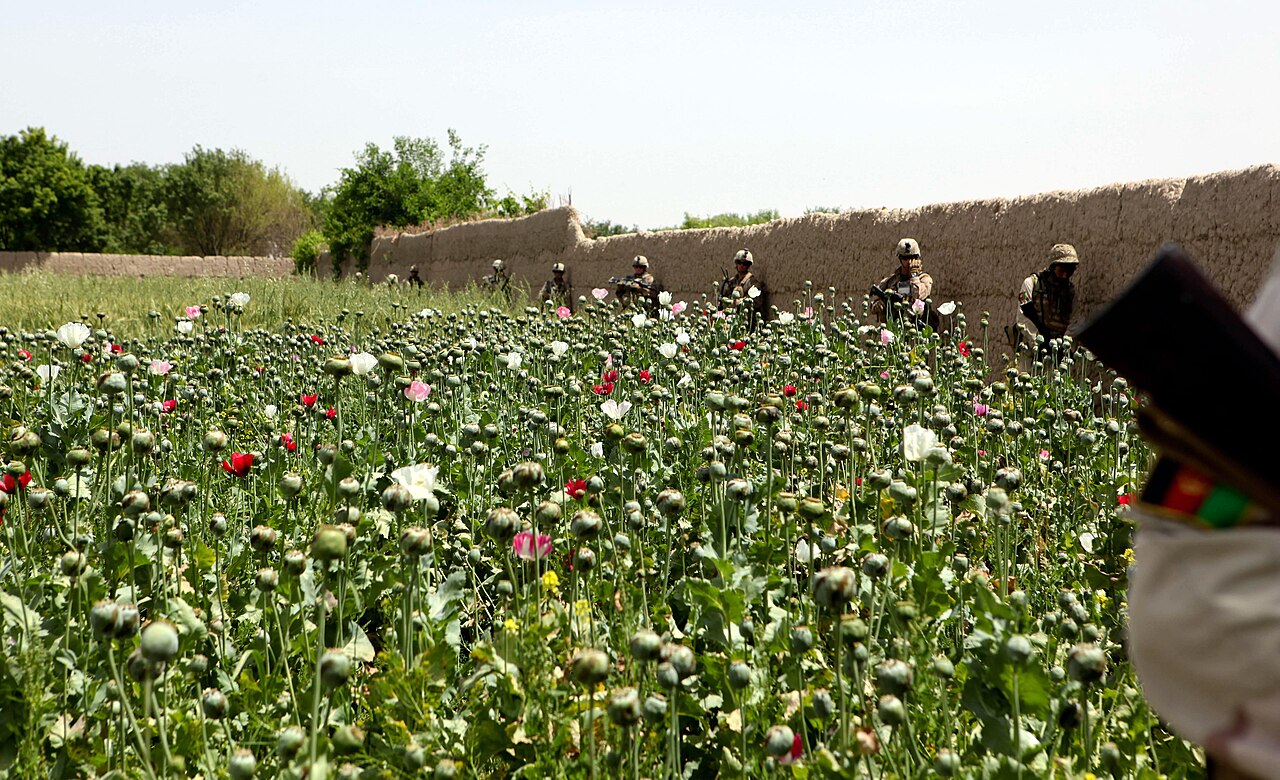
For decades, Afghanistan was the world’s largest source of illicit opium. Cultivation fell sharply after the Taliban imposed a ban in 2022. However, Lemarquis cited a recent UN report that found opium poppy production increased by 330 percent during 2025 as farmers sought ways to conceal their production from the Taliban.
According to Lemarquis, eradication can only be effective if viable alternative livelihoods are available. He recounted farmers’ complaints about their limited income without opium cultivation. In his account, the farmers described a situation in which they could not survive but did not want to die either.
Needs are rising as funding declines
Afghanistan’s humanitarian needs are expected to rise sharply in 2027 because of a combination of large-scale returns, regional instability, and an El Niño weather pattern described as growing stronger. According to Lemarquis, these pressures threaten food security and access to services. At the same time, funding for the humanitarian response fell from US$2 billion in 2023 to US$1 billion in 2025. At the time of the report, funding for 2026 had reached only US$570 million.
UN News also reported that 40 percent of primary healthcare facilities were expected to close during 2025–2026, with the figure cited as 700 health posts out of a nationwide total of 1,900. Lemarquis urged the international community not to turn away from Afghanistan. He warned that the consequences of the crisis could extend beyond the country’s borders and affect regional security, regional stability, and migration routes.