News and context with references. Check the publication date and source dates.
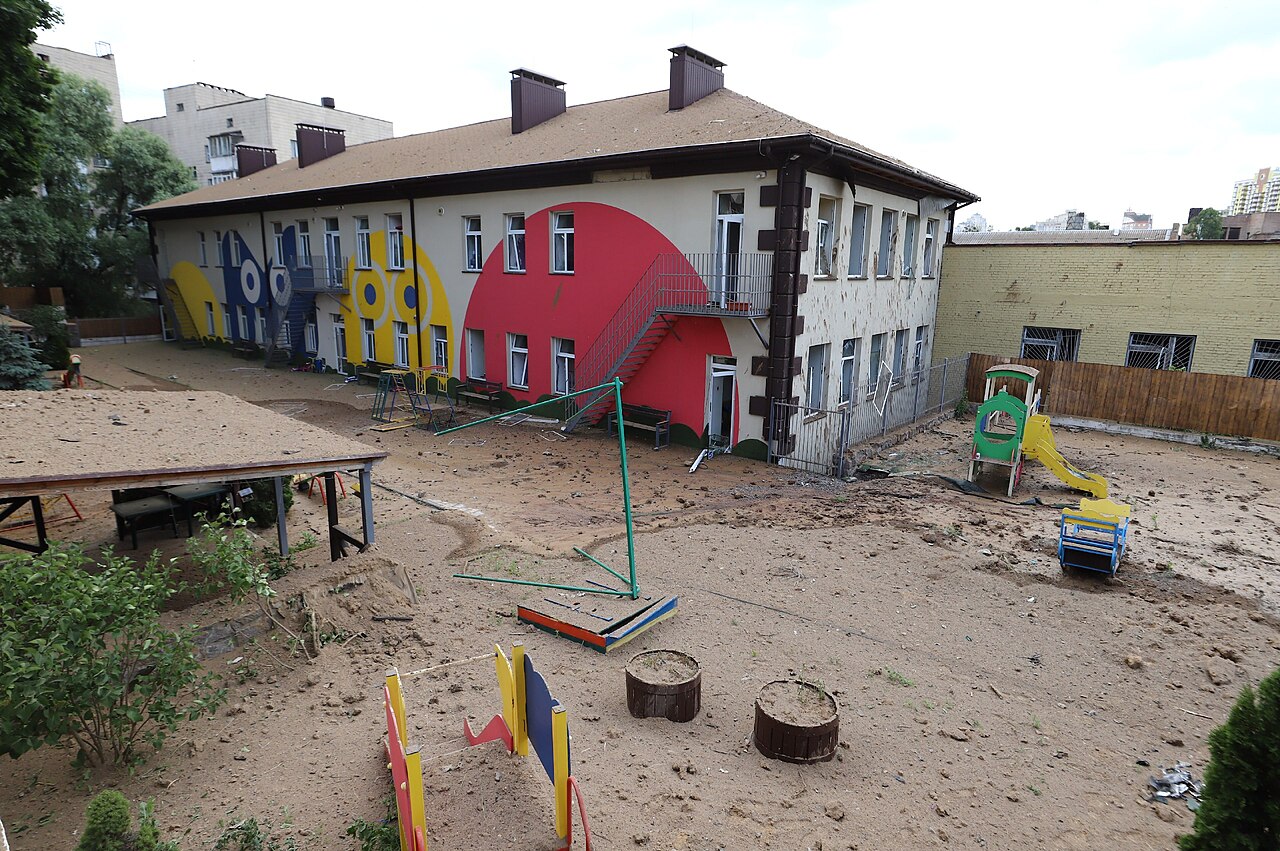
Children in Ukraine face rising war casualties and disruptions to basic services as they endure another winter. According to UN News on November 20, 2026, UNICEF issued the warning from a kindergarten in Kyiv that had been bombed twice, as power outages continued throughout the day. The number of children killed and injured has reached its highest level in four years.
A Shattered Play Area
UNICEF’s acting head of communications, Louise Wateridge, briefed reporters in Geneva from a damaged play area in Kyiv. The kindergarten was hit on the night of November 7, when the building was empty. One of the destroyed rooms had previously been used by children for afternoon naps.
According to Wateridge, air raid alerts in the capital have increased sharply in recent weeks. She described families repeatedly awakened by sirens and explosions at night. Parents rush to protect their children without knowing whether their home, school, or neighborhood will be the next target.
Child Casualties Continue to Rise
Data from the Human Rights Monitoring Mission in Ukraine, or HRMMU, show that at least 114 children were killed and 1,030 injured during the first 10 months of 2026. That amounts to more than three children killed or injured every day. In October alone, at least 146 children were killed or injured, an increase of 150 percent compared with October 2025.
Wateridge said the number of children killed this year has already exceeded the total for all of 2025 by more than 20 percent. Meanwhile, the number of children injured has risen by nearly 60 percent compared with last year. The report also noted that major overnight attacks in Kyiv and other regions had again killed civilians and damaged critical infrastructure. According to government officials, six people were killed in Kyiv alone.
Power Outages Threaten Basic Needs
Severe damage to power generation and heating facilities has led to rolling blackouts lasting four to 18 hours across most of Ukraine. In early November, outages also lasted more than 12 hours. Power disruptions are also hampering water systems, leaving homes, schools, and hospitals short of safe water for drinking and hygiene, increasing the risk of disease.
Last winter, nearly two million children lost access to heating, electricity, and water as temperatures fell below minus 20 degrees Celsius. Humanitarian officials warn that a similar crisis is unfolding again this year. The threats to children therefore come not only from direct attacks, but also from the disruption of services that sustain daily life.
Keeping Services Running
UNICEF is supporting energy projects to maintain heating for around three million people in the hardest-hit urban areas. Working with local partners, the agency is installing alternative power sources at healthcare facilities to keep essential services for mothers and children running, as well as solar power at critical water supply sites serving around 2.5 million people.
Wateridge also said UNICEF is drilling a 300-meter-deep well at a cancer hospital in Kyiv to ensure a reliable water supply throughout the winter. The warning about the situation facing children in Ukraine coincided with World Children’s Day on November 20, when global attention turns to upholding children’s rights.