News and context with references. Check the publication date and source dates.
The food and beverage industry is facing production cost pressures toward the end of 2026, mainly because of a weakening rupiah and high international shipping costs. GAPMMI Chairman Adhi S. Lukman estimates that these conditions could push selling prices up by an average of around 5–6% in early 2027. He made the remarks at the Industry Journalists Forum Media Gathering in Sentul, Bogor, on Friday, November 6, 2026, as reported by CNBC Indonesia and Kontan.
Rupiah and Logistics Put Pressure on Costs
According to Adhi, reliance on imported raw materials makes the food and beverage industry vulnerable to exchange rate movements. He said uncertainty over the rupiah's movements creates difficulties for businesses that need predictability in their operations. GAPMMI therefore hopes the government and Bank Indonesia can maintain exchange rate stability.
Rising international shipping costs are also adding pressure. As reported by CNBC Indonesia, Adhi cited shipping costs to Australia, which had risen from around US$1,000 to US$3,000 per container. Meanwhile, costs to China had increased from US$200–300 to US$700–800 per container.
Businesses are considering alternative shipping routes and other sources of raw materials to address these obstacles. Adhi said sourcing raw materials domestically would make business operations easier to manage, but would require a long-term strategy.
Businesses Differ in Their Ability to Withstand Pressure
The projected price increase in early 2027 does not mean that prices will definitely be adjusted for all products. According to Adhi, medium-sized and large companies can still absorb the pressure temporarily. Some have purchasing contracts at previous prices, as well as stocks of raw materials and finished goods.
Small and medium-sized manufacturers are considered more vulnerable. CNBC Indonesia reported that, according to Adhi, some home-based businesses have only one to two days' worth of stock, while others have enough for a week. Limited working capital and storage space make it harder for them to secure raw materials for the longer term.
When stocks run out and procurement costs rise, small businesses may face a choice between raising prices and reducing product sizes. Adhi also noted that food and beverage consumers are sensitive to price changes, so adjustments need to take purchasing power into account.
Growth Still Expected to Remain Strong
Despite these pressures, GAPMMI remains optimistic that the food and beverage industry can grow by more than 6% in 2026. According to Kontan, Adhi's assessment is supported by market demand that remains reasonably strong and positive performance across several product categories.
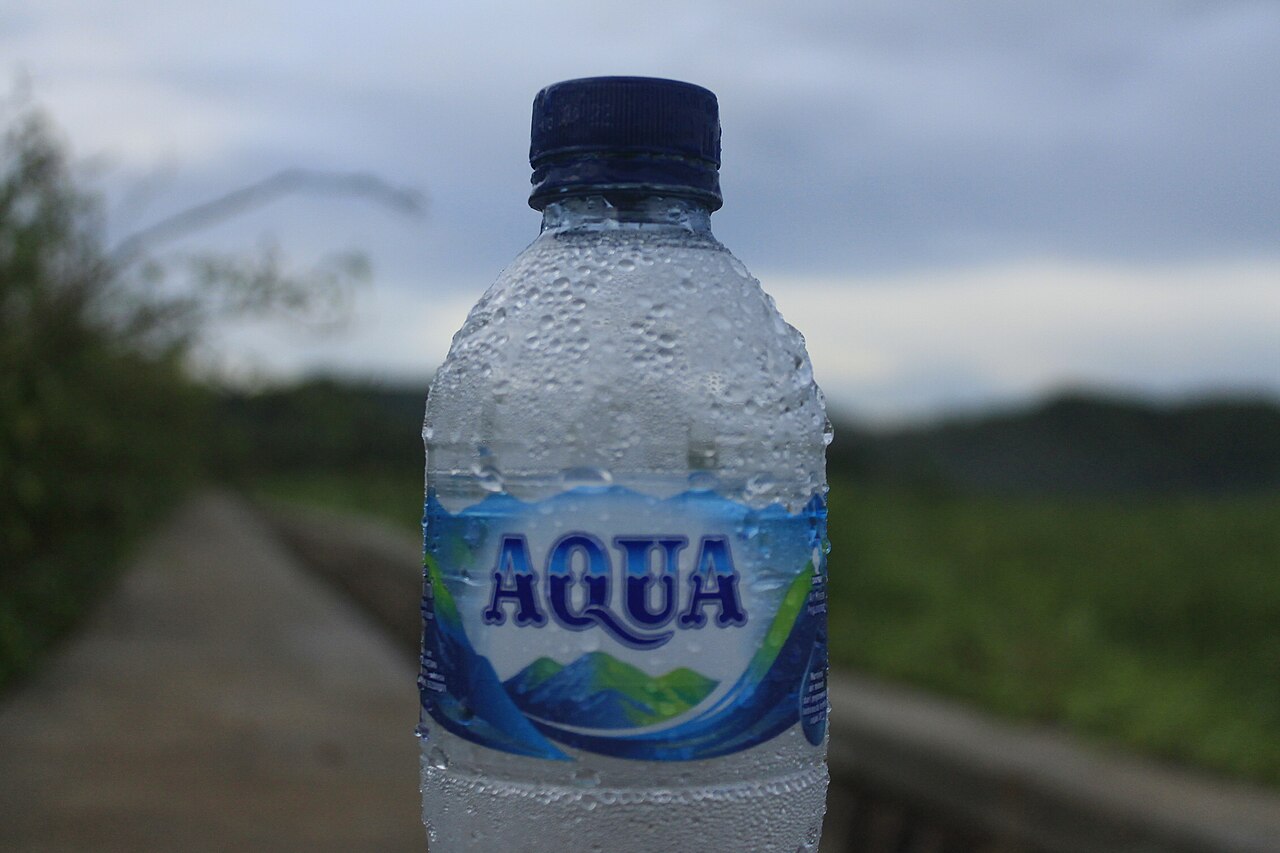
Adhi said the seasonings, packaged drinking water, and frozen food industries were showing strong growth, with some even reaching double digits. However, this performance is not uniform. He said nonessential products, such as candy and juice drinks, were still facing demand pressures because they are more price-sensitive and have more limited markets.
Hot Weather Boosts Beverage Demand
For the packaged drinking water industry in particular, Adhi said hot weather caused by El Nino in 2026 had helped increase demand. As reported by kumparan, he said these conditions supported sales and were accompanied by the opening of many new factories, including small-scale operations.
Nevertheless, Adhi acknowledged that he did not yet know how much beverage industry growth was attributable to El Nino. His assessment of the positive impact of hot weather was not accompanied by specific growth figures. This picture points to sales opportunities in some categories, alongside the cost pressures still facing the food and beverage industry.